

Islamic Homeschooling Support (ESA, Kids & Family, Park Preservation)
Choosing to homeschool can feel both hopeful and overwhelming—especially when you’re also trying to nurture strong Islamic identity at home. If you’re a Muslim parent in Central Florida considering homeschooling, you’re not alone. AMCC’s Home School program is designed to make homeschooling feel clearer, steadier, and more supported.
This pillar page covers what homeschooling can look like with Islamic guidance, how parents can plan confidently, and how family life (including nature outings) can become part of your children’s learning—while also addressing practical questions like Education Savings Accounts.
Why Muslim Parents Choose Homeschooling (And What to Look For)
Many Muslim families consider homeschooling for the same reasons:
- Faith alignment: learning Islam intentionally alongside daily life
- Confidence at home: building routines your children can count on
- Personal pacing: supporting each child’s learning strengths and needs
- Character development: helping children grow in adab, manners, and responsibility
If you’re wondering, “Will this work for our family?” start by looking for these pillars:
- A clear Islamic curriculum path (Qur’an basics, seerah, fiqh foundations, character)
- Mentorship and community (so you don’t teach alone)
- A practical homeschooling structure (plans, tips, and age-appropriate learning)
- Meaningful learning beyond the living room (including real-world experiences)
AMCC is built around those exact needs.
What AMCC’s Home School Program Includes
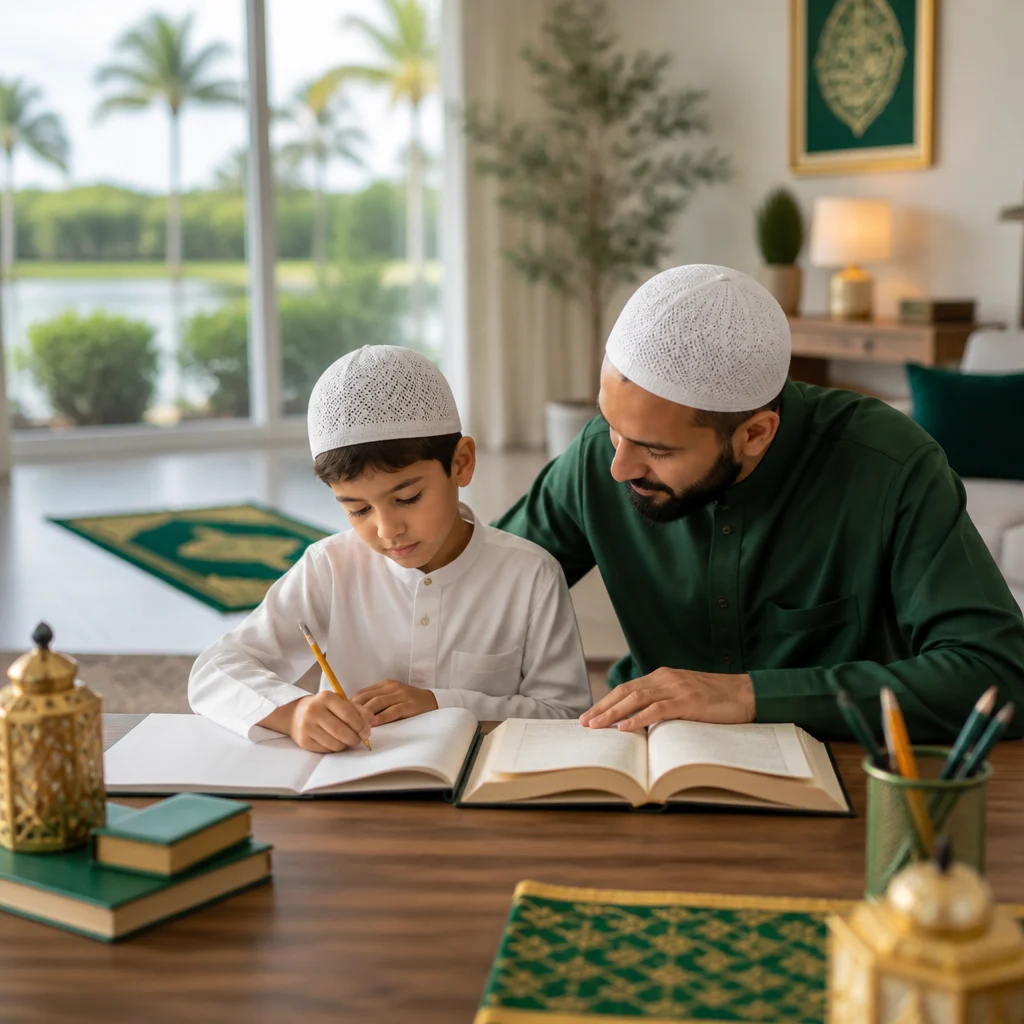
AMCC’s Home School service supports homeschooling families with structured Islamic learning and parenting guidance. Families typically focus on Islamic education at home while also maintaining their broader academic routine.
Your children’s Islamic learning may include:
- Qur’an basics (foundations that build confidence)
- Islamic studies (age-appropriate understanding of core concepts)
- Character development (akhlaq/adab) through daily routines
- Age-appropriate fiqh (practical worship and behavior foundations)
- Seerah learning (stories that shape values and identity)
Your family also receives support for the “parent side” of homeschooling—so you’re not left guessing how to make it work week after week.
How We Make Homeschooling Easier (Not Just “More Work”)
Homeschooling shouldn’t mean homeschooling alone. AMCC’s Home School program helps you move from “What do we do?” to “We know what to do this week.”
What this support typically looks like:
- Structured Islamic learning flow so you can plan with less stress
- Practical parenting and learning resources for consistency at home
- Mentoring and guidance for families who are new, restarting, or learning as they go
- Community connection for children and parents (belonging matters)
If you’ve listened to homeschooling conversations or heard from stay-at-home parents, a common theme is this: the day-to-day gets easier when you have a rhythm and a community that understands your goals. AMCC helps you build that foundation.
Age-Based Islamic Learning That Actually Fits Your Child
One of the biggest homeschooling concerns is whether the learning is “right for their age.” AMCC’s approach supports age-appropriate foundations so children can understand and apply what they learn.
A typical age-based learning direction may include:
- Younger children: Qur’an foundations, simple seerah stories, manners/adab routines
- Elementary years: stronger Qur’an basics, seerah themes, clear character practice, beginner fiqh concepts
- Tweens/teens: deeper seerah understanding, clearer fiqh foundations for daily life, ongoing character development
The goal isn’t to cram information—it’s to build confidence, consistency, and Islamic identity over time.
Education Savings Accounts (ESA): What Muslim Homeschooling Families Should Know
Parents often ask practical questions like: “Can homeschooling expenses be supported?” That’s where Education Savings Accounts may come up.
In general terms, Education Savings Accounts are programs that may help eligible families set aside or access education funds for specific educational uses, depending on state rules and eligibility requirements. Because these programs vary by location and can change, the most important next step is to verify:
- whether you’re eligible,
- what uses are allowed for homeschooling,
- what documentation is required, and
- how the program is administered in your state.
How to think about ESA planning as a “Kids & Family” budget
Even when ESA rules allow certain educational categories, it’s helpful to plan like a family:
- Curriculum needs (including structured Islamic learning resources)
- Learning supplies and materials for at-home lessons
- Supplemental support (where allowed), such as group learning, mentoring, or community-based instruction
- Consistency tools (planning sheets, learning spaces, routines)
AMCC’s Home School program is designed to support the Islamic learning portion of homeschooling—so if you’re exploring ESA options, you can pair practical budgeting with a faith-based learning structure for your children.
Note: AMCC can help families understand how our program supports homeschooling, but ESA eligibility and allowable uses depend on your state’s program guidelines.
Community & Belonging for Kids and Parents
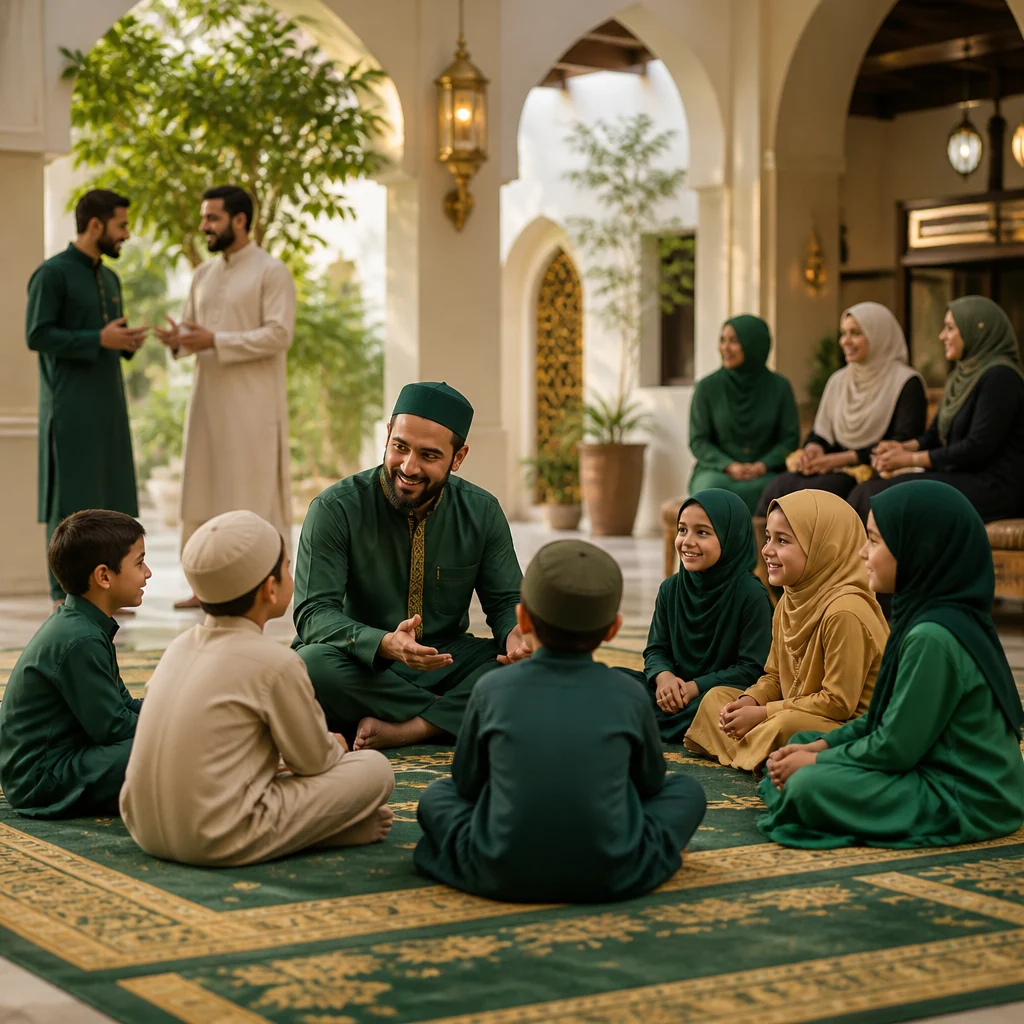
Many parents worry about socialization when homeschooling. AMCC addresses belonging from two directions:
For children
group learning opportunities designed to build confidence, community awareness, and Islamic identity alongside peers.
For parents
Parents are supported through mentoring and connection, especially if you are:
- new to homeschooling,
- rebuilding a routine,
- or looking for reassurance and clarity.
Homeschooling can be deeply meaningful—but it can also be isolating without support. AMCC helps families stay connected.
Park Preservation Through Islamic Values (Learning Outside the Home)
Real-world learning can strengthen both academics and character. One powerful way to do this is through nature and community outings—while supporting Park Preservation.
Why park learning fits homeschooling
Parks and nature spaces naturally support learning in ways that feel hands-on, including:
- observation skills and curiosity,
- basic science concepts (weather, plants, ecosystems),
- community responsibility,
- and reflective conversations that connect learning to values.
An Islamic lens: stewardship as part of learning
In Islam, caring for creation is a form of responsibility. When you take learning outdoors, you can reinforce values like:
- amanah (trust/responsibility)—treating spaces respectfully,
- adab in public spaces—manners and behavior,
- gratitude—noticing Allah’s signs in nature,
- community respect—leaving places better than you found them.
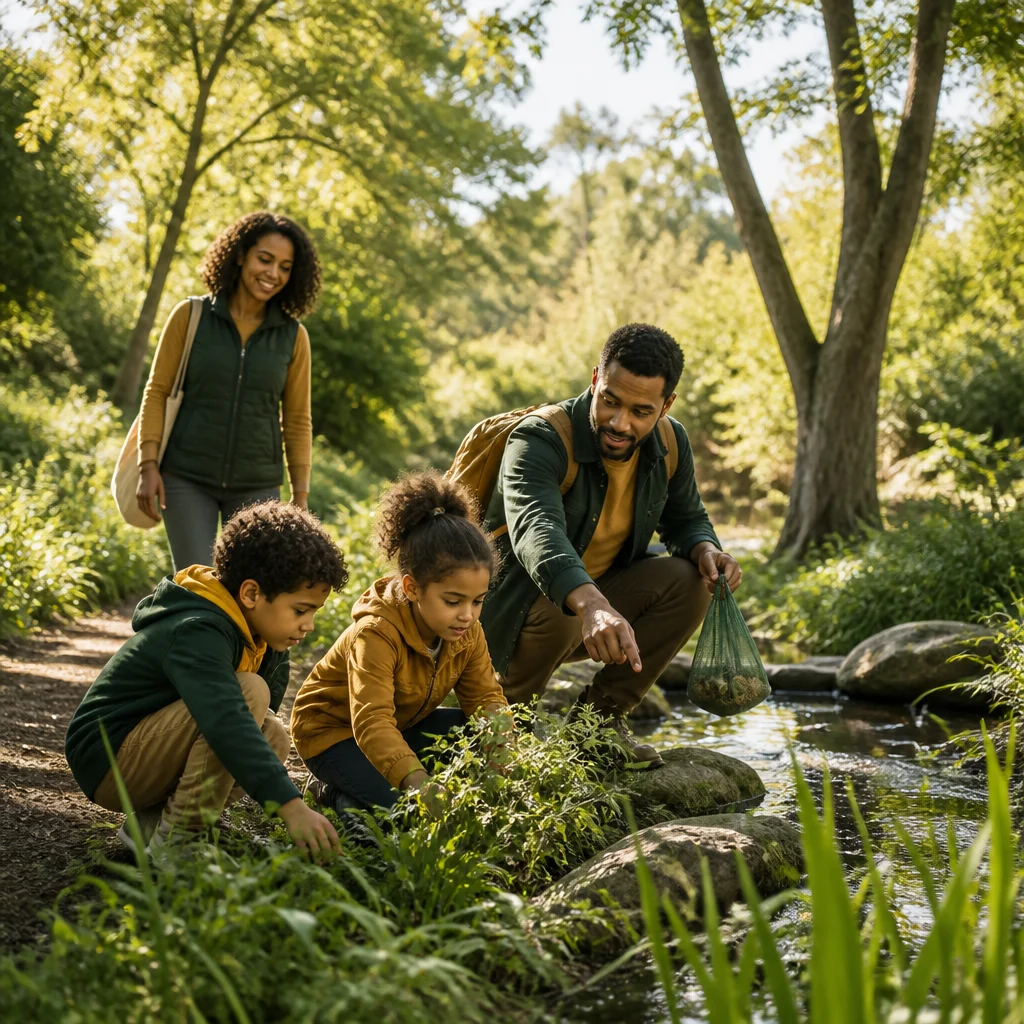
A simple example: after a park walk, kids can practice a “learning reflection” routine—what did we observe, what did we learn, and how did we show respect for the space?
This is where Kids & Family life becomes part of education—without it turning into extra pressure.
FAQs
Is AMCC’s Home School program only for new homeschoolers?
No. AMCC supports families who are new, restarting, or looking for more structure and mentorship. Many parents benefit from clearer weekly rhythm and stronger Islamic learning foundations.
What Islamic topics does the program focus on?
AMCC Home School supports structured Islamic learning such as Qur’an basics, Islamic studies, character development, age-appropriate fiqh, and seerah—matched to your child’s stage.
Does AMCC provide help with homeschooling the “non-Islamic” school subjects?
AMCC’s program is focused on Islamic guidance and learning support. Families typically maintain their broader academic plan at home, while AMCC strengthens Islamic identity, values, and faith-based learning consistency.
How does the program support parents who feel unsure teaching Islam?
AMCC includes mentoring and community support so parents don’t feel they have to teach everything alone. The goal is confidence—through guidance, structured learning, and practical resources.
What about Education Savings Accounts (ESA)?
ESA rules depend on eligibility and state requirements. AMCC can help you understand how Islamic homeschool support fits into your overall homeschooling goals, while you verify eligibility and allowed uses through the official ESA program guidelines for your state.
How does Park Preservation connect to homeschooling?
Outdoor learning can support observation, learning engagement, and character. With an Islamic lens of stewardship, park outings become a values-based learning experience—while also encouraging respectful care for shared spaces.
Conclusion: Homeschooling With Islamic Guidance and Family Support
Homeschooling can be a powerful way to build strong Islamic identity—especially when parents have the support, structure, and community to keep moving forward with confidence.
With AMCC’s Home School program, families can pursue faith-based learning with:
- structured Islamic guidance at home,
- parent support and mentoring,
- community belonging for kids and parents, and
- learning experiences that can extend beyond the home—supporting meaningful values like Park Preservation.
Ready to Explore AMCC Home School Support?
Learn more about AMCC’s Home School program and how it supports homeschooling families in Central Florida.
Connect with AMCC to ask questions and explore next steps for Islamic guidance, mentorship, and community-based learning.