

AMCC

AMCC

Intimate Masjid Nikah Ceremony Guide for Muslim Weddings

Choosing a masjid nikah ceremony is about bringing your marriage to life with sincerity, Islamic guidance, and community support. For couples seeking an intimate, respectful, faith-centered Muslim wedding, this guide walks you through the essentials—what to prepare, what the ceremony includes, how to coordinate details, and how AMCC’s School of Nikah approach can help you begin your marriage on strong Islamic and family values.

What Is a Masjid Nikah Ceremony? (And Why It Matters)

A nikah is the Islamic marriage contract—an act of worship and a sacred covenant between you and your spouse. When it’s held in a masjid community setting, the ceremony is more than a day on the calendar: it becomes a faith-centered moment surrounded by Islamic support, religious guidance, and a respectful environment.

Key benefits of an intimate masjid nikah ceremony:

  • Faith-centered accountability: Guidance from qualified religious leadership supports the meaning of the contract.
  • Community clarity: Families feel supported with expectations, communication, and a calm structure.
  • Respectful simplicity: The focus stays on your union and your Islamic responsibilities.

This is especially helpful for couples who want a simple, respectful, organized Muslim wedding without losing the spiritual integrity of the nikah.

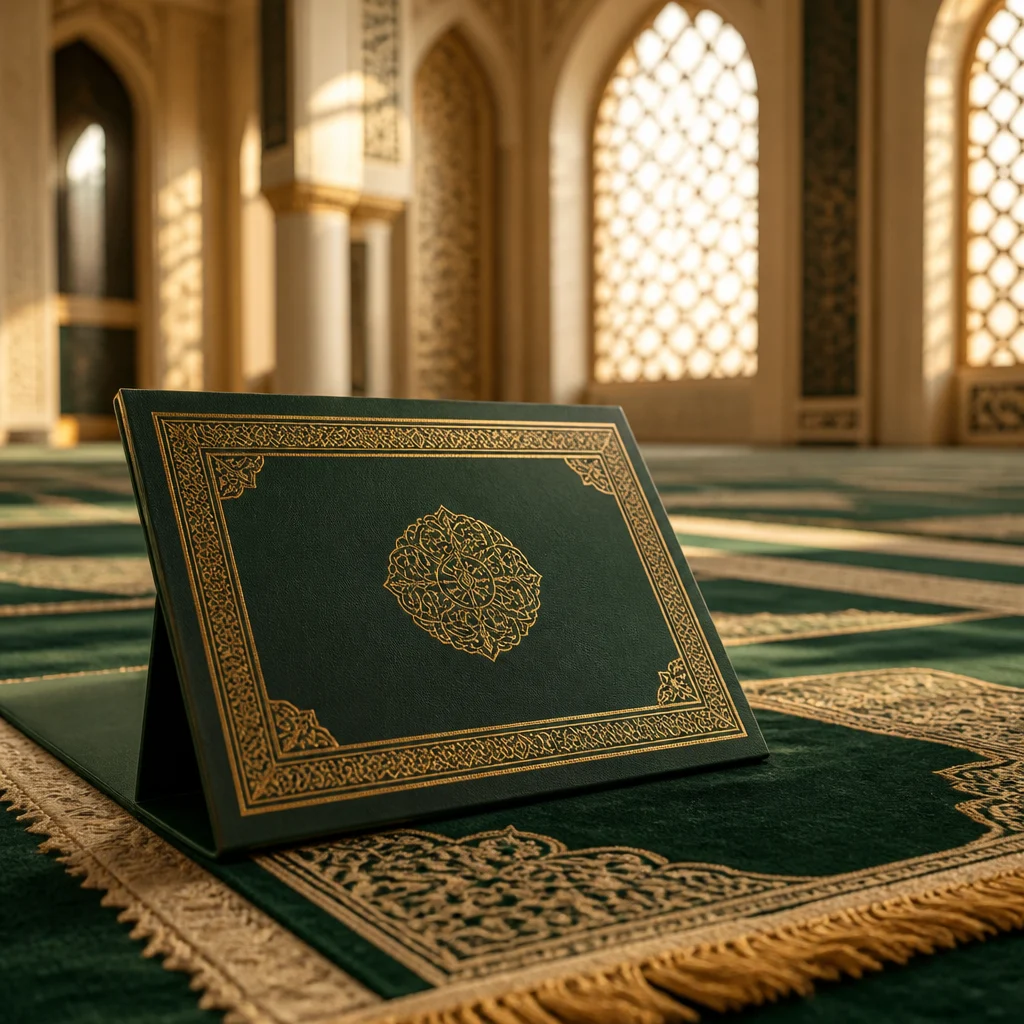
A serene masjid interior with an ornate ceremonial marriage contract folder resting on a prayer rug under warm light.

Muslim Wedding Expectations: What a Respectful Nikah Includes

While every couple’s circumstances are unique, a well-planned nikah ceremony typically includes the essentials of the Islamic marriage contract and supportive community guidance.

Common components of a masjid nikah

  • Qualified officiant / imam (or religiously recognized leadership)
  • Marriage contract (nikah) recitation and proper formalities
  • Consent and understanding of both spouses
  • Presence of witnesses (as required)
  • Dua for blessings and a respectful close to the ceremony

Intimate Weddings: Keeping the focus where it belongs

Intimate weddings are about meaning, not size. You can keep the event smaller while still honoring:

  • The spirituality of the nikah
  • Family involvement in a comfortable way
  • Clear structure so couples and parents feel at ease

If you’re planning for an intimate setting, AMCC can help you align your ceremony style with Islamic guidance and a community-centered flow.

A quiet masjid study setting with open books and notes prepared for spiritual marriage readiness.

The School of Nikah: Spiritual Preparation Before the Ceremony

Many couples want their nikah to feel spiritually grounded, not rushed. That’s where a School of Nikah approach helps—bringing learning, readiness, and clarity to your decision.

What couples often prepare through the School of Nikah

  • Marriage readiness in an Islamic framework
  • Understanding responsibilities and rights within marriage
  • Developing realistic expectations for communication and partnership
  • Building a foundation rooted in mercy, sincerity, and integrity

AMCC’s community-centered support helps couples feel comfortable asking questions and learning what matters before the contract day.

Step-by-Step: How to Plan an Intimate Nikah Ceremony at AMCC

If you want a nikah guided by compassion and Islamic integrity, here’s a practical overview of the process many couples follow. (AMCC’s team can guide you through the specifics for your situation.)

Step 1: Begin with guidance and readiness

Reach out to AMCC to start your nikah conversation. You’ll share your intentions, timeline, and any family considerations. AMCC will help ensure your preparation stays simple, respectful, and faith-focused.

Step 2: Review Islamic and practical requirements

A proper nikah includes both spiritual readiness and clear administrative steps. AMCC can assist you with understanding what’s needed so you’re not scrambling close to the date.

Step 3: Confirm the ceremony structure

Discuss:

  • Ceremony format (intimate, respectful, family-centered)
  • Family roles and attendance expectations
  • Any cultural sensitivities that families may bring
  • The tone you want for your Muslim wedding—quiet, reverent, and supportive

Step 4: Coordinate the officiant/imam and ceremony date

AMCC can connect you with qualified religious leadership to officiate the nikah in a way that aligns with Islamic guidance and community standards.

Step 5: Prepare for the day of your nikah

AMCC will help you understand what to expect so your ceremony day feels calm and meaningful, not stressful.

What to Expect on the Day of Your Nikah

Your nikah ceremony should feel orderly, respectful, and spiritually focused. With proper guidance, couples and families can arrive knowing what will happen and why.

A calm, faith-centered flow often includes:

  • Welcoming and arrival: Families and spouses settle in a respectful environment.
  • Contract recitation and confirmation: The essential nikah steps are carried out with clarity.
  • Witnesses as required: Ensuring proper compliance.
  • Dua and blessings: A heartfelt closing that recognizes your new beginning.

Tips for couples planning an intimate wedding

  • Keep the program simple and short.
  • Choose a comfortable seating and family layout that reduces confusion.
  • Communicate expectations to parents ahead of time so everyone feels included appropriately.
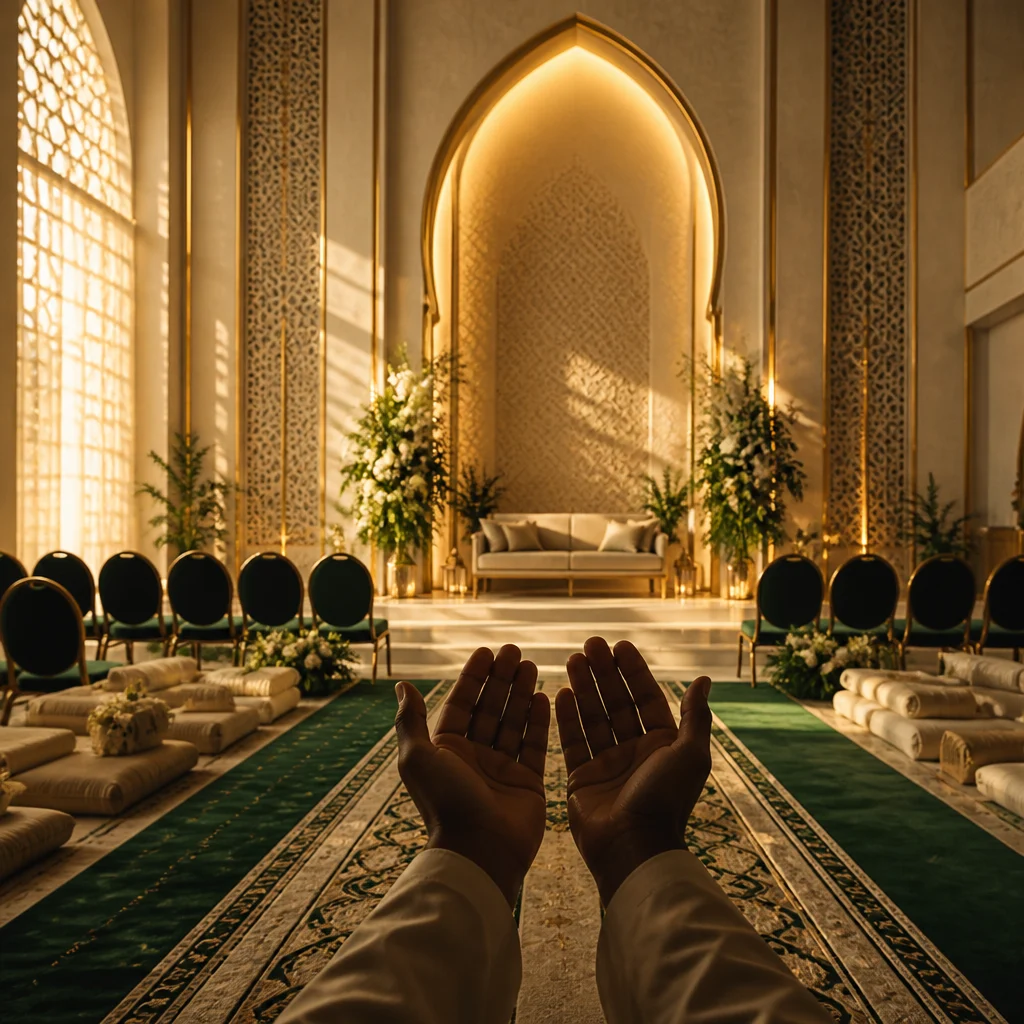
A tranquil masjid prayer space with a respectful ceremony atmosphere and hands raised in dua.

Making Your Nikah Personal (Without Losing Islamic Integrity)

Couples often want their nikah ceremony to feel “like us”—but still fully grounded in faith. The most meaningful personalization is usually about tone, intention, and family respect, not complexity.

Ways couples personalize their Muslim wedding in a respectful way

  • Select an intimate setting that supports focus and presence
  • Choose a warm, respectful manner for family involvement
  • Plan thoughtful moments that reinforce meaning (such as heartfelt duas)
  • Keep cultural elements within the respectful structure of Islamic ceremony standards

AMCC’s goal is to help you create a ceremony that honors both your hearts and your faith—so the experience feels personal while staying Islamically sound.

Support for Families: Clear Communication and Cultural Sensitivity

Nikah ceremonies involve more than the couple. Families are part of the blessing—and also part of the logistics. A community-centered masjid setting helps reduce misunderstandings and encourages respectful coordination.

How AMCC supports families

  • Clear expectations so parents and relatives know what to anticipate
  • Respectful, structured communication between families and religious leadership
  • Cultural sensitivity while maintaining proper Islamic ceremony integrity

Whether you’re planning for first-time marriage or supporting a second-time couple, AMCC’s supportive approach helps everyone feel respected and comfortable.

Healthy Marriage Advice Built on Islamic Teachings

A nikah begins your marriage contract—but lasting success comes from daily faith, mercy, and intentional communication. Couples often benefit from practical and spiritual guidance to carry forward after the ceremony.

Islamic foundations that support marriage

  • Mercy and respect in how you speak and listen
  • Compatibility in values and goals
  • Responsibility and commitment to each other
  • Continuous learning—together and individually

AMCC’s counseling and community support can help you begin the journey with clarity and care.

FAQs About Intimate Masjid Nikah Ceremonies

1) What is an intimate nikah ceremony?

An intimate nikah ceremony is a smaller, respectful nikah held in a faith-centered environment—often focused on the contract, witnesses, blessings, and a calm presence of close family and community members.

2) Is a masjid nikah only for large communities?

No. A masjid nikah can be intimate and simple. The focus is the Islamic marriage contract and the spiritual atmosphere—not the size of the gathering.

3) What does “School of Nikah” mean?

The School of Nikah refers to structured marriage preparation that helps couples understand Islamic marriage responsibilities, expectations, and readiness—so your nikah is meaningful and your marriage starts with clarity.

4) Can families include cultural traditions?

In many cases, yes—especially when traditions align with respectful Islamic ceremony standards. AMCC helps couples and families communicate and coordinate appropriately.

5) Do you help couples who are planning their nikah for the first time?

Yes. AMCC supports new couples with guidance through readiness, documentation understanding, ceremony coordination, and spiritual support before and after the marriage.

Next Step: Begin Your Nikah Planning with AMCC

If you’re planning a Muslim wedding and want an intimate weddings experience that stays respectful, faith-based, and community-supported, explore AMCC’s Nikah Services.

You can learn more about how AMCC provides guidance and support for couples preparing their nikah—so your union is supported by compassion, Islamic integrity, and proper religious care.