
AMCC

AMCC

Middle School Weekend School at AMCC

AMCC Peace Academy: Weekend School for Middle Schoolers

Middle school is a turning point. Teens start forming stronger opinions, navigating friendships, and feeling new pressure at school—while also asking deeper questions about faith and identity. AMCC’s Weekend Sunday School (Peace Academy) is built to help families support that season with Islamic guidance, a safe community, and age-appropriate learning.

This pillar page covers what children learn each weekend, how AMCC supports youth programs and character growth, and how Islamic education can strengthen mental health through belonging, routine, and meaningful spiritual tools.

Why a Weekend School Matters for Middle School Faith & Identity

A weekend school gives your child continuity—Islamic learning doesn’t only happen at the masjid during prayer times. Instead, it continues through structured, age-appropriate teaching and community support.

For parents, that means your teen is not “learning about Islam” once in a while—they’re building habits, understanding, and confidence over time, including:

  • Stronger Islamic identity: learning what Islam teaches about faith, purpose, and character
  • More responsible choices: applying Islamic values to real-life situations
  • Better social development: practicing manners, respect, and healthy community interactions
  • Spiritual grounding during stress: connecting emotions and actions to Islamic guidance
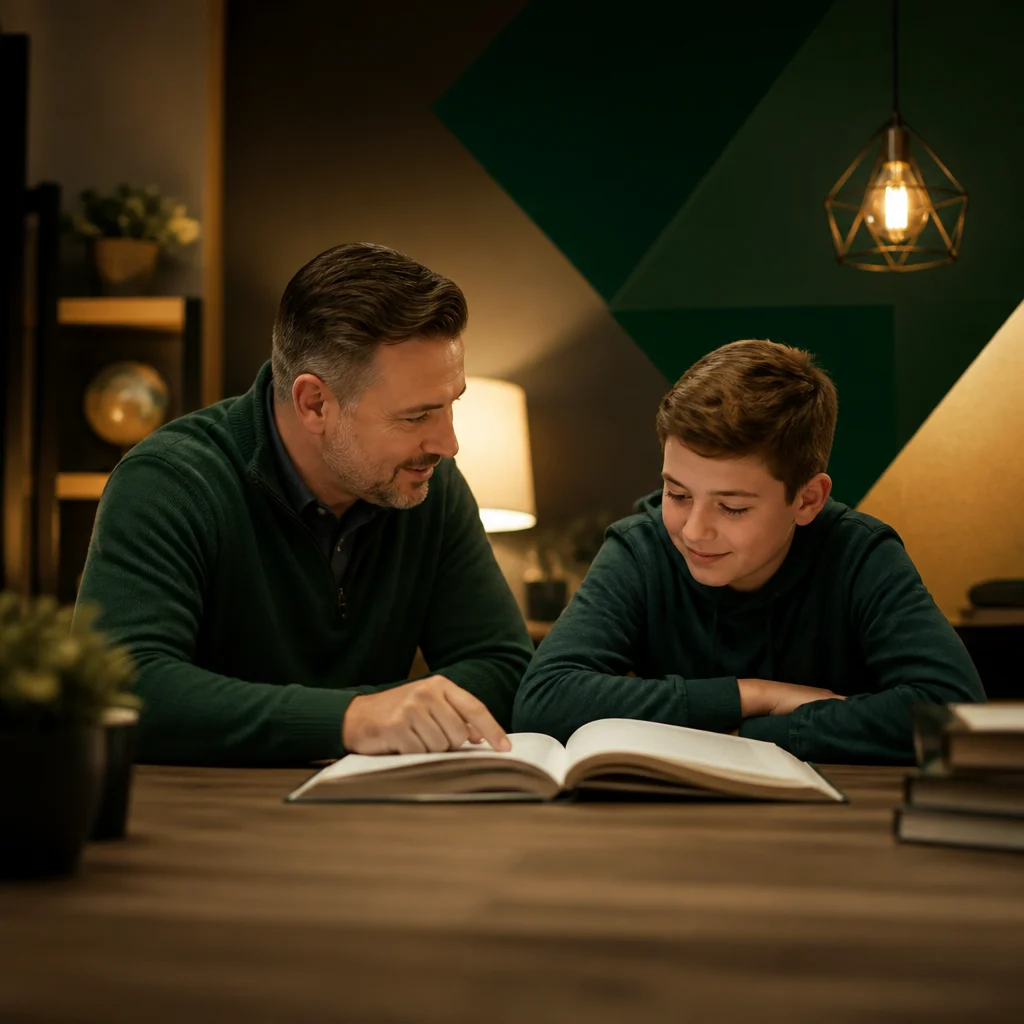
A calm study moment with a mentor and a middle school student seated together beside an open book in a softly lit community learning room with subtle geometric decor.

What Your Child Learns Each Weekend (Peace Academy Overview)

AMCC Peace Academy focuses on weekly Islamic education that supports daily Islamic life. Middle school learners benefit from a curriculum that blends Quran learning, foundational Islamic knowledge, and character-building practices.

Quran Learning (Age-Appropriate Support)

Your child strengthens their Quran connection through activities aligned with their learning level, such as:

  • Quran reading practice and comprehension of key concepts
  • memorization and/or short surah and du’a learning (as appropriate)
  • guidance toward understanding what they recite and why it matters

Basic Islamic Studies for Daily Life

Students build a strong base in Islam, including:

  • Akhlaq (character and manners)
  • Islamic beliefs and understanding
  • Learning prayers (salat) with the right foundations
  • Du’a and practical reminders for everyday moments

Character Themes That Match Real Teen Needs

Weekly lessons are designed to help teens apply Islam to what they experience, including themes like:

  • patience and self-control (sabr)
  • honesty and trustworthiness
  • kindness and respect toward others
  • responsibility in family, school, and community
A serene youth circle with an instructor and middle school students in a softly lit community room, suggesting belonging and supportive guidance through calm, welcoming atmosphere.

Mental Health Support Through Islamic Guidance & Community

When parents search for “mental health” support for their kids, they’re often looking for more than just coping strategies—they want an environment that helps their child feel safe, understood, and steady. A strong Islamic weekend school can support that in several ways.

1) Stable Routine Builds Emotional Strength

A consistent weekend schedule helps middle schoolers manage uncertainty and feel grounded. Regular learning sessions reinforce:

  • predictability
  • confidence in expectations
  • healthy habits that reduce stress

2) Belonging Reduces Isolation

Middle school can feel lonely—especially when kids want friends who share values. Peace Academy helps learners feel connected through:

  • supportive instructors
  • age-appropriate classroom culture
  • a community that reinforces “you’re not alone”

3) Spiritual Tools Help with Stress and Big Emotions

Islamic learning supports mental health by giving teens meaningful ways to handle emotions. Students practice connecting feelings to faith through:

  • du’a (turning to Allah with sincerity)
  • reminders about intention and character
  • lessons that encourage calm, respectful problem-solving

4) Character Education Supports Healthy Relationships

As teens navigate friendship dynamics, conflict, and peer pressure, akhlaq lessons help them practice:

  • respect in speech
  • responsible behavior
  • boundaries grounded in Islamic values

Note for parents: If your child is dealing with serious or ongoing mental health concerns, Islamic guidance and community support can be a valuable part of the bigger picture—but professional support may also be needed. AMCC can help connect families to community resources and supportive pathways.

Youth Programs That Strengthen Growth (Not Just Classes)

Peace Academy isn’t only about completing lessons. It’s also about building youth-centered community and confidence through engagement.

You can expect learning that includes:

  • classroom activities connected to character themes
  • structured discussions that help teens reflect on “how Islam applies here”
  • opportunities to feel ownership through participation and student work
  • an atmosphere of encouragement that supports long-term confidence

These youth programs reinforce the idea that Islam is lived—at school, at home, and in friendships.

Age-Based Milestones for Middle Schoolers

While learners vary, here are common milestones your child may build during middle school weekend learning:

Middle school learners often develop:

  • Confidence in basic prayer foundations (with clearer understanding and consistency)
  • Improved Quran practice (reading, recitation support, and meaningful learning)
  • Manners and responsibility in interactions with classmates and family
  • Stronger understanding of Islamic beliefs relevant to real questions teens ask
  • Better coping habits through du’a, patience, and reflective character lessons

Parent Trust: How Weekend School Strengthens Family Values

When families choose a weekend school, they want to know it supports the home—not competes with it. Peace Academy supports parent goals by helping teens bring Islam into daily life.

Parents often see impact through:

  • more meaningful Islamic conversations at home
  • increased awareness of manners and respectful speech
  • improved consistency in prayer routines
  • better alignment between values and behavior
  • increased confidence in identity and purpose

What you can do at home (simple, effective)

  • Ask: “What did you learn this weekend?”
  • Follow up: “Which akhlaq theme stood out, and how can you use it this week?”
  • Encourage reflection: “Did you practice any du’a or Quran at home?”

How to Get the Best Out of Islamic Weekend School

Families often ask how to make weekend school “stick.” Here are practical ways to help your teen get the most benefit (and enjoy the process):

  1. Start with a positive mindset. Frame it as time for growth, connection, and learning—not pressure.
  2. Ask for specifics. Instead of “Was it good?” try:
    • “What Quran/du’a did you learn?”
    • “What character lesson did you practice?”
  3. Keep attendance consistent. Regular participation helps students build confidence and continuity.
  4. Connect learning to real situations. Encourage your teen to apply one lesson during the week—manners, patience, honesty, or respect.
  5. Stay engaged with instructors. If you have questions about progress, learning goals, or how to support at home, reach out to the AMCC team.
Hands organizing a blank weekly planner on a desk with subtle geometric accents in deep green and gold, suggesting a structured routine and consistent learning.

Inclusion & New Muslim Support at AMCC

Peace Academy is welcoming for families looking to build an Islamic learning routine—whether your child has attended Islamic school before or is new to Islamic education.

AMCC supports families by helping learners feel included in a supportive community environment and by providing guidance that helps parents navigate the learning journey alongside their children.

If your family is exploring Islam, AMCC can help you learn how Peace Academy works and how your child can join in a welcoming way.

Community Highlights: What Parents Can Expect

AMCC Weekend Sunday School aims to create more than weekly attendance—it builds a community where students are recognized, encouraged, and celebrated.

Parents may see:

  • student work connected to character themes and Quran learning
  • meaningful classroom activities
  • celebrations that reinforce belonging and motivation

How to Evaluate an Islamic Weekend School for Middle Schoolers (Quick Checklist)

When comparing options, look for these key signals:

  • Age-appropriate curriculum that matches middle school needs
  • Clear emphasis on character (akhlaq), not only memorization
  • Consistent Quran learning support
  • A welcoming community environment for youth and parents
  • Qualified, supportive instructors who encourage confidence
  • Family-friendly communication about what children are learning

AMCC Peace Academy is designed around these priorities.

FAQs: AMCC Weekend School (Peace Academy) for Middle School

1) What does AMCC’s Weekend Sunday School teach middle schoolers?

Peace Academy provides Quran learning support, basic Islamic studies (akhlaq/character, Islamic beliefs, and prayer foundations), and guidance for applying Islamic values in daily life.

2) How does weekend school support mental health for middle school students?

It supports mental health through routine, belonging, and spiritual tools like du’a and character-based guidance that help teens manage stress, emotions, and relationships.

3) Are the lessons focused only on Quran, or is there more?

There is more than Quran practice. Students also learn character (akhlaq), foundational Islamic understanding, and prayer-related guidance connected to daily Islamic life.

4) What youth programs or activities are included?

Students participate in classroom activities and character-building learning experiences that help them engage meaningfully and build confidence in community.

5) Will my child feel included if they’re new to Islamic education?

Yes. AMCC aims to create a safe, welcoming environment, including support for families who are new to learning Islam together.

6) What should parents ask their child after weekend school?

Try questions like:

  • “What Quran/du’a did you learn?”
  • “What character theme did you practice?”
  • “How can you use it at school or home this week?”
7) Is AMCC geared toward middle school specifically?

Peace Academy is designed to serve children and youth with age-appropriate learning support, including middle school learners with structured character and faith-building lessons.

Conclusion: A Supportive Weekend School for Faith, Character, and Youth Well-Being

Middle school is where faith, identity, and responsibility begin to solidify. AMCC’s Weekend Sunday School (Peace Academy) supports that process through Quran learning, Islamic studies, and youth-focused character growth—while also strengthening mental health through routine, belonging, and spiritual tools.

Call to Action

Learn More About AMCC Weekend Sunday School (Peace Academy)

Explore how AMCC Peace Academy supports middle schoolers through Quran learning, character-building, and youth programs within a welcoming community.

Contact AMCC to Ask Questions About Peace Academy

Reach out to the American Muslim Community Center team to learn what to expect and how Peace Academy can support your family’s weekend learning goals.