

Youth Programs for Muslim Teens — Questions to Ask
Parents want more than “something for teens to do.” When you’re choosing Youth Programs for Muslim teens, you’re looking for an environment that strengthens Islamic identity, builds strong character, supports healthy friendships, develops leadership, and creates a real sense of belonging—inside a safe, supportive masjid community.
This guide walks you through practical questions to ask so you can confidently choose a program that fits your teen and your family.
What parents usually want from a Youth Program for Muslim teens
Before you compare programs, clarify what “success” should look like for your teen. Many Muslim parents are looking for:
- Islamic identity that grows through learning, discussion, and lived adab (character)
- Strong character shaped by faith-centered values like honesty, compassion, responsibility, and self-control
- Positive friendships with youth who share a respectful, faith-minded culture
- Leadership skills developed through real roles, service, and mentorship—not just motivation
- Belonging in a supportive masjid setting where teens feel seen, respected, and included
- Family connection so your teen’s home and masjid support system work together
How to choose a faith-centered program (not just “a teen activity”)
Some programs focus mainly on behavior management or short-term “fixes.” For Muslim teens, the long-term goal is usually deeper: faith, maturity, and community.
As you evaluate options, look for a program that is:
- Faith-centered (Islamic learning + application, not only lectures)
- Mentorship-based (consistent adult guidance, positive peer culture)
- Structured and safe (clear supervision, respectful boundaries)
- Age-appropriate (middle school and high school needs differ)
- Outcome-driven (character, leadership, service, and belonging)
Questions Parents Should Ask A Program (Muslim teen edition)
Use this checklist during calls, tours, or registration conversations.
1) Islamic learning & identity
Questions to ask:
- How does the program build Islamic identity—through what types of classes, halaqah, or discussions?
- What role do Qur’an, Islamic character, and adab play in the weekly experience?
- How do you help teens connect faith to real-life choices and pressures?
What you’re listening for: A clear plan for faith development that’s relevant to teen life.
2) Character-building (values lived out)
Questions to ask:
- How does the program teach and practice good character (honesty, respect, responsibility, kindness)?
- What does “character growth” look like day-to-day, not just in outcomes?
- How do mentors address conflict or negative behavior in a constructive, respectful way?
What you’re listening for: Healthy guidance, not shame-based correction.
3) Mentorship & leadership roles
Questions to ask:
- Who are the mentors/teachers, and how do they support teens consistently?
- Do teens get real opportunities to lead (planning activities, mentoring younger youth, participating in service)?
- How does the program encourage leadership with humility and sincerity?
What you’re listening for: A mentorship culture where leadership is part of character formation.
4) Safety, supervision, and teen well-being
Questions to ask:
- What safety and supervision practices are in place during activities?
- How are teens supported when they’re struggling socially, academically, or emotionally?
- What policies exist for communication with parents?
What you’re listening for: Clear structure, reliable adults, and responsible communication.
5) Positive friendships & belonging
Questions to ask:
- How does the program build a respectful peer culture?
- How are teens welcomed—especially those who are shy, new to the masjid, or still building confidence?
- What steps are taken to prevent bullying or exclusion?
What you’re listening for: A supportive environment where teens feel included.
6) Family involvement (so support is consistent at home)
Questions to ask:
- How does the program involve parents/families—updates, family events, or guidance?
- How do mentors communicate with parents when goals need alignment?
- Are there ways for mothers/fathers to build a supportive role in the teen’s growth?
What you’re listening for: Family connection that strengthens the home–masjid partnership.
7) “Youth in action” opportunities (service and community impact)
Questions to ask:
- Does the program include community service or structured service projects?
- How do teens learn to be responsible citizens while staying grounded in Islam?
- How do you help teens turn learning into real action?
What you’re listening for: Experiences that help teens become helpful, dependable “Hometown Heroes.”
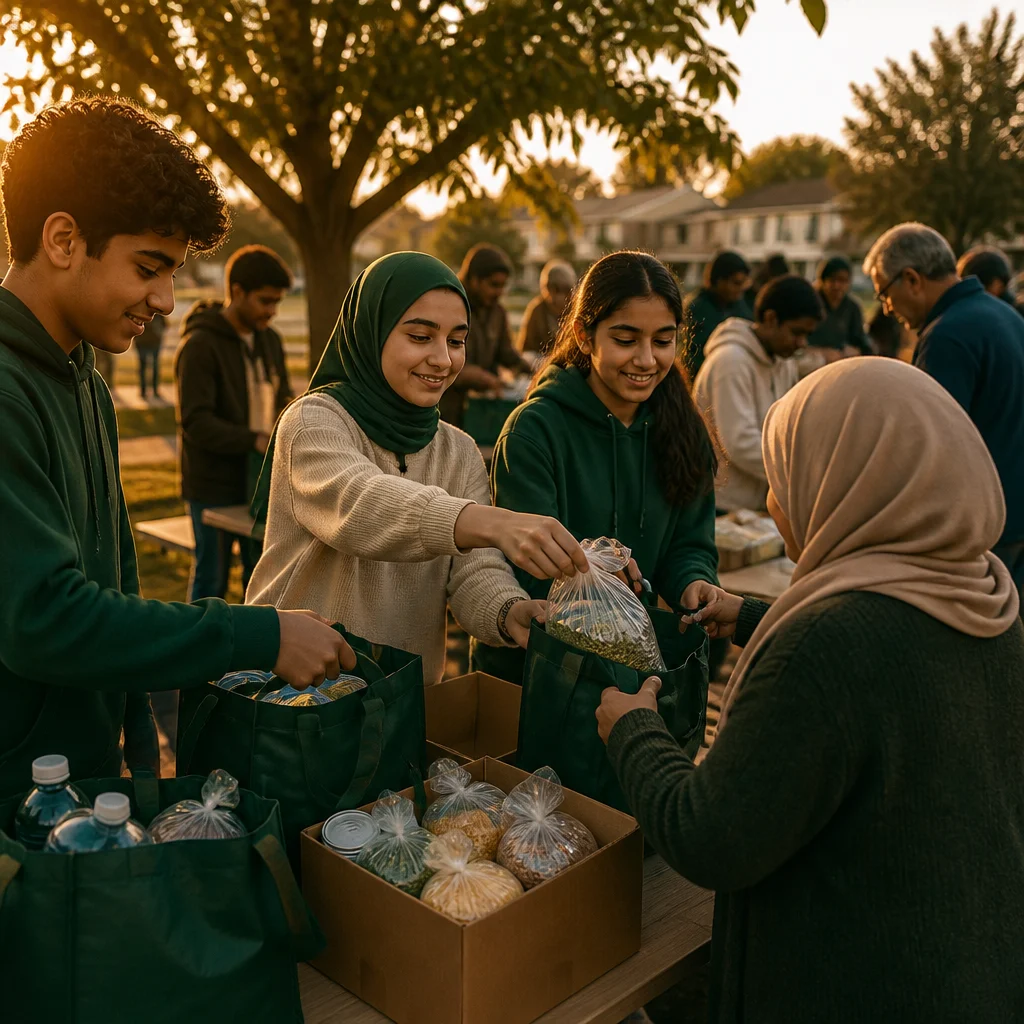
Hometown Heroes: leadership that strengthens the community
A strong Youth Program helps teens discover that their faith isn’t only something they learn—it’s something they live.
- Being a positive influence in the masjid community
- Showing compassion through service
- Leading with respect and responsibility
- Building relationships across generations
- Contributing to good citizenship in Central Florida
When leadership is connected to service, teens often develop confidence in a way that lasts.
What Youth Programs look like “in action” at AMCC
At the American Muslim Community Center (AMCC), Youth Programs support Muslim youth in Central Florida by creating a safe, faith-centered space to:
- Learn Islam in a supportive setting
- Build character through Islamic values and practical guidance
- Develop leadership skills through meaningful youth roles and mentorship
- Strengthen family and community bonds so teens feel supported at home and at the masjid
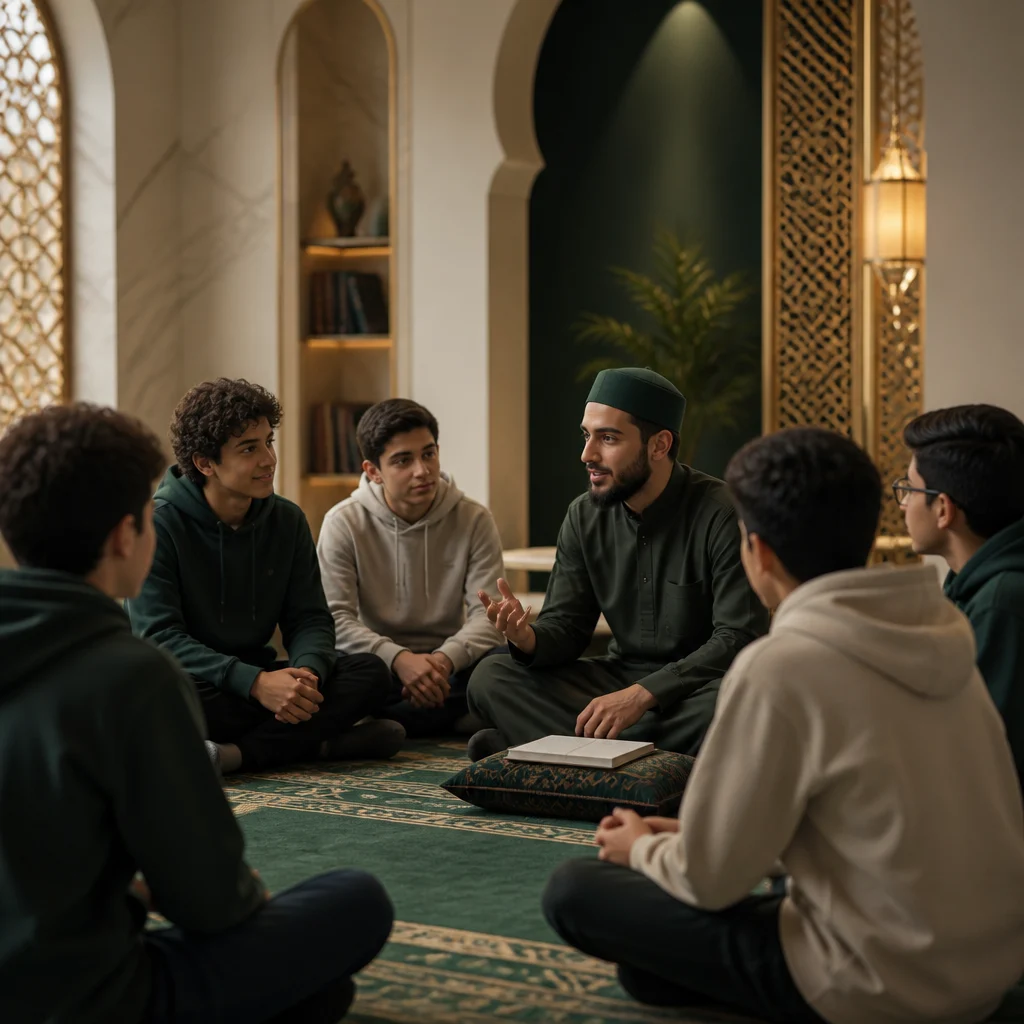
A snapshot of “Youth in action” (what teens may experience)
While each teen’s journey is different, AMCC’s youth-focused experiences commonly include:
- Youh learning and discussion that helps teens connect Islam to everyday life
- Mentorship and positive guidance from caring adults
- Weekend and youth activities that build friendships and belonging
- Youh leadership and events where teens can practice responsibility
- Volunteer/service opportunities that reflect compassion and service
- Age-appropriate programming that typically supports middle school through high school
How to talk to your teen before they join
If your teen is hesitant, start with conversations that feel respectful and empowering.
Try asking:
- “What would make you feel more connected to the masjid?”
- “What kind of friends do you want around you?”
- “Do you want opportunities to lead or help others?”
- “What’s one challenge you’d like support with—at school, at home, or in your faith?”
- “Would you like a program that helps you grow in both Islam and character?”
When teens feel heard, they’re more likely to stay engaged and grow.
What to look for after the first few weeks
You can evaluate fit by watching for signs of healthy growth:
- Belonging: your teen talks about the program with more comfort and pride
- Faith integration: they reference Islamic values in everyday situations
- Confidence: they volunteer for roles or show more initiative
- Better friendships: they come home with more positive peer connections
- Family connection: communication with parents improves, and home support feels aligned
- Character in action: they demonstrate patience, honesty, or responsibility more consistently
FAQs
Are Youth Programs the same as “general teen activities”?
Not usually. For Muslim teens, Youth Programs should be faith-centered, character-building, and designed to strengthen Islamic identity—not only provide recreation.
What kind of Islamic learning should parents expect?
Look for structured learning and discussions that help teens understand Islam and apply Islamic character and adab to real teen life.
How do you ensure teens feel safe and supported?
A strong program uses clear supervision and mentor guidance, and maintains respectful boundaries. You should also ask how parents are communicated with if concerns arise.
Do teens get leadership or service opportunities?
Good Youth Programs include leadership and service so teens can practice responsibility and compassion—often connected to a “Hometown Heroes” mindset.
How are parents involved?
Ask what updates and family involvement look like. Many parents prefer programs that encourage a consistent support system between home and the masjid.
Is programming age-appropriate for both middle school and high school?
Programs should offer age-appropriate structure so teens aren’t forced into the same pace or expectations. AMCC’s Youth Programs typically support teens covering both middle school and high school with appropriate structure.
Conclusion: choosing a program that builds grounded Muslim youth
The best Youth Programs help Muslim teens grow in Islamic identity, character, healthy friendships, leadership, and belonging—all in a supportive masjid environment.
If you’re asking “Where do we start?” the most effective first step is to choose a program that matches your teen’s needs and your family’s goals, using the questions above as your guide.
CTAs
- Explore AMCC Youth Programsand learn how teens are supported through Islamic learning, mentorship, and leadership.
- Contact AMCC to ask your specific questions about youth experiences and how AMCC can support your teen’s growth.