

Step-by-Step Nikah Services Planning Guide for Muslim Families
Nikah Services: Muslim Family Guide for a Faithful Nikah
What Is a Nikah (And Why Families Plan It With Care)?
A Nikah is the Islamic marriage contract where a couple enters marriage with clear intention, Islamic procedure, and accountability to one another. For Muslim families—supporting a son, daughter, or relative—planning a Nikah well means balancing:
- Faith-based guidance (staying aligned with Islamic integrity)
- Clear communication (between families, the couple, and the officiant)
- Proper preparation (spiritual readiness + practical documentation)
- A respectful ceremony that supports family values
At American Muslim Community Center (AMCC), Nikah Services are designed to help families and couples move forward with confidence—guided by compassion, community support, and Islamic principles.
CTA: Learn more about AMCC Nikah Services and how we support couples and families through the process.
Overview: What to Expect From the Nikah Process
Most Nikah planning follows a clear sequence. While details vary by situation, this family-focused flow helps you stay organized and calm:
- Confirm readiness and intentions
- Complete marriage education & counseling (often approached like a School of Nikah)
- Prepare documentation (your Document checklist)
- Plan ceremony details (roles, venue, timeline)
- Conduct the Nikah ceremony with correct Islamic procedure
- Support after the Nikah (spiritual counsel and family encouragement)
Step-by-Step Nikah Timeline for Muslim Families
Use this timeline as a planning roadmap. Adjust the timing based on your availability and requirements.
Step 1: Begin with Fit, Faith, and Family Communication
If your family started through a Muslim matchmaking program, or a direct introduction through relatives or community, the next step is the same: ensure the match is approached with sincerity and clarity.
Family best practices:
- Talk about values first (Deen, character, responsibilities)
- Encourage open but respectful conversations
- Clarify expectations early (roles, living arrangements, timeline)
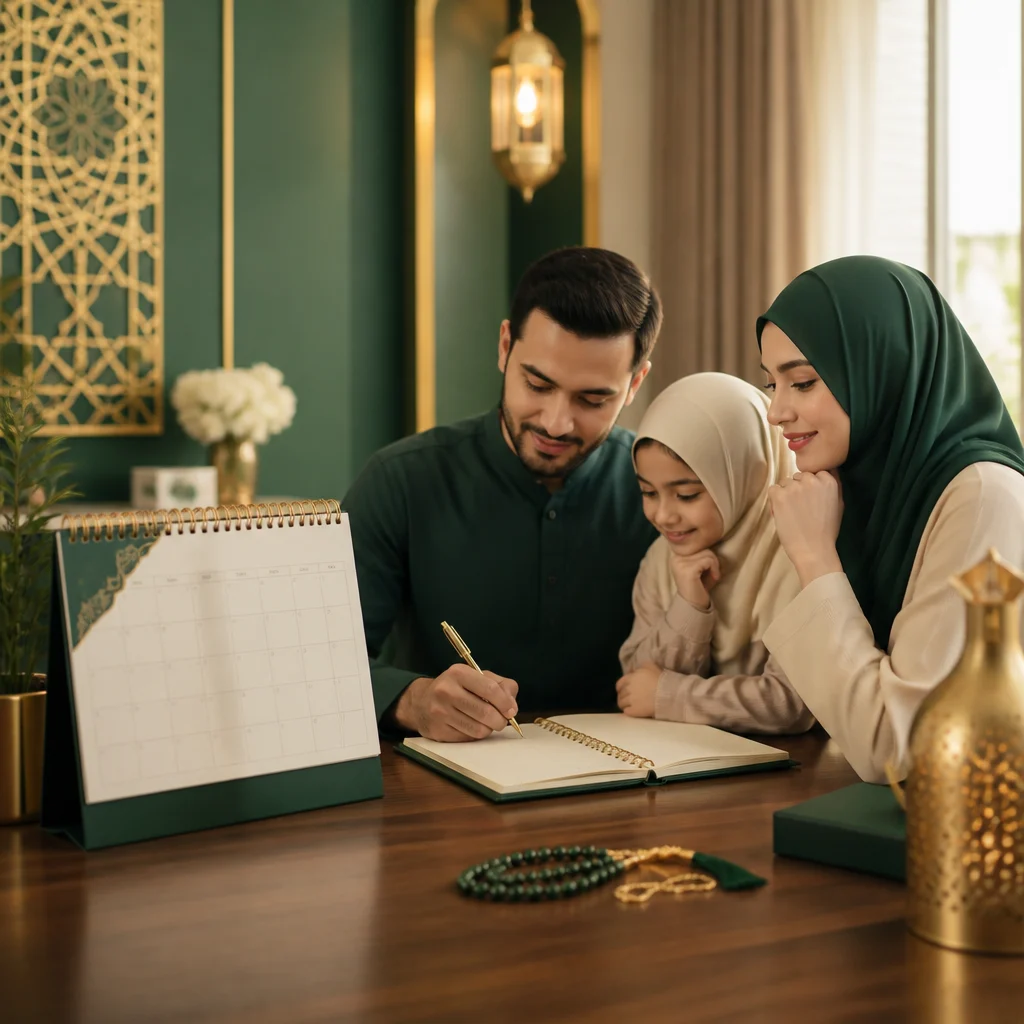
Step 2: Complete Marriage Readiness (The “School of Nikah” Approach)
A School of Nikah is commonly used to describe pre-marriage learning and counseling. For families, it helps ensure everyone understands what marriage requires—spiritually and practically.
Topics families often cover:
- Islamic purpose of marriage and the goal of mercy
- Compatibility beyond romance (communication style, character, Deen)
- Rights and responsibilities in marriage
- Managing conflict with adab (good manners) and Islamic guidance
- Building a plan for worship, family support, and long-term growth
AMCC supports couples and families with faith-based guidance before and after marriage, so the union begins with stronger Islamic values.
Step 3: Build Your Document Checklist
Documentation can be one of the most stressful parts for families—so prepare early.
See the full Document checklist section below.
Step 4: Confirm the Ceremony Plan (Roles, Venue, and Timeline)
Plan who will be present and what the ceremony will include. Many families choose:
- A community venue (such as a masjid/community center), or
- A Nikah ceremony at home with a clear plan and respectful procedure
Key planning points:
- Who will serve as the wali (guardian) if applicable
- Who will witness the contract (as required)
- How ijab and qabul will be conducted
- Setting expectations for family participation and guest presence
Step 5: Conduct the Nikah Ceremony With Correct Procedure
A Nikah ceremony generally includes the Islamic marriage contract elements (such as ijab and qabul) and the required witnessing, conducted with seriousness and clarity.
Families can support the couple by:
- Keeping the atmosphere respectful
- Avoiding distractions during contract elements
- Ensuring everyone understands the “order of events” for the day
Step 6: After the Nikah—Spiritual Counsel and Family Support
Islamic support doesn’t end at the signing. After the Nikah, families benefit from:
- Prayer and encouragement
- Guidance on communication and responsibilities
- Family-centered care that helps the couple settle into marriage with mercy and stability
CTA: Talk with AMCC to learn about guidance and support options for your Nikah journey.

Document Checklist: What to Prepare for a Smooth Nikah
Requirements can vary based on your circumstances and any legal considerations in your area. This is a practical Document checklist families commonly prepare before scheduling a Nikah process.
Common documents families may gather
- Government-issued ID for both parties
- Birth certificate (or a document used in your area for identification)
- Proof of address/residency (if required)
- Divorce documentation (if either spouse has been previously married)
- Conversion certificates (if applicable)
- Contact details for family representatives and the couple
- Any pre-marriage counseling completion documentation (if applicable through your community process)
Family preparation tips
- Collect documents in one folder (physical + digital copies)
- Ensure names match across documents (including spelling)
- If anything is unclear, confirm early so the process doesn’t stall
CTA: Bring your documents for review with AMCC guidance so you can move forward with clarity using a step-by-step approach.
Planning the Ceremony: What Happens at a Nikah?
Nikah ceremonies differ by culture and community, but the Islamic core remains the marriage contract procedure.
Ceremony planning categories families can manage
- Setting: masjid/community venue or at-home arrangement
- Modesty and respect: appropriate attire and atmosphere
- Family involvement: how parents/relatives participate appropriately
- Order of events: so the couple feels supported, not rushed
- Dua and blessings: keeping the tone warm and reverent
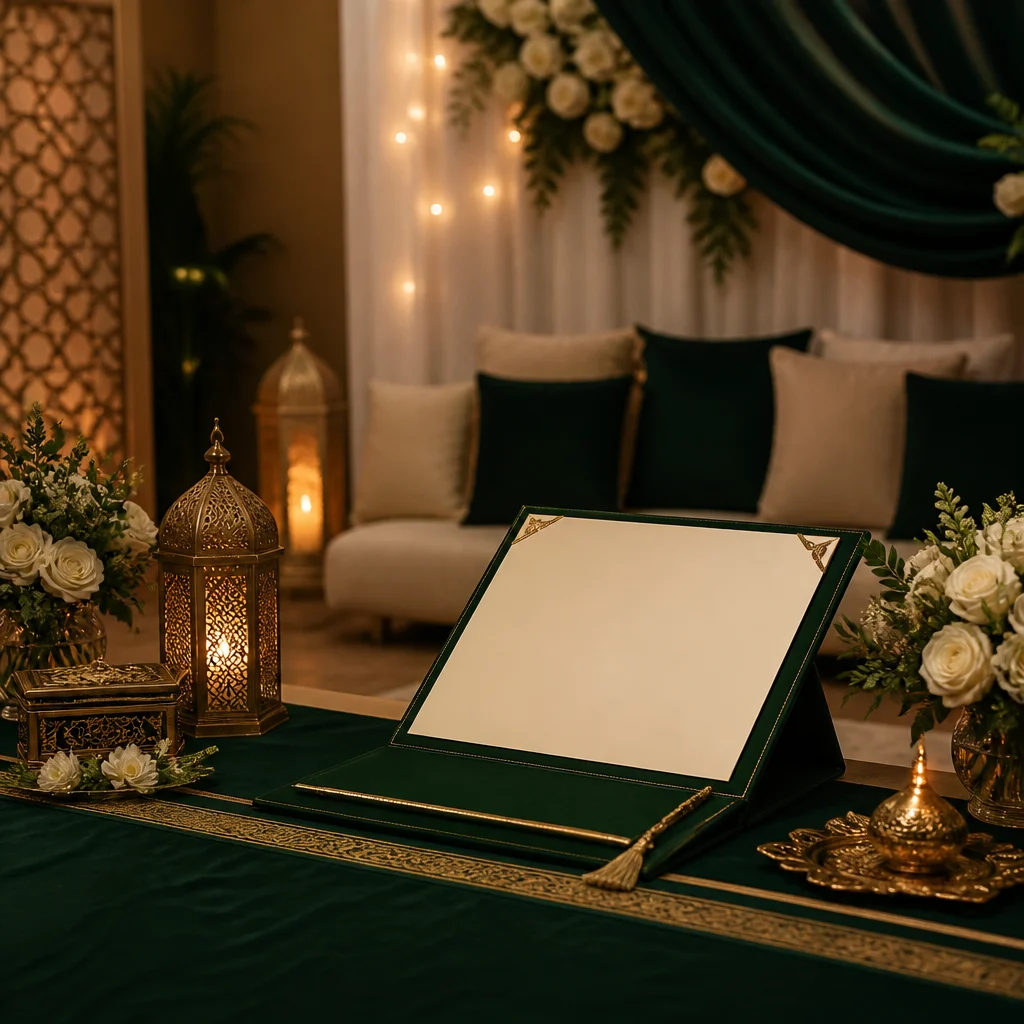
Nikah ceremony at home—how families can keep it organized
If the Nikah is planned at home, families typically focus on:
- A clean, respectful space
- Clear seating arrangement and privacy considerations
- A planned schedule (so ijab/qabul and witnessing are not interrupted)
- Hospitality that remains aligned with family values and Islamic integrity
School of Nikah: What Families Should Learn Before the Contract
Pre-marriage education helps couples and families align on what Islamic marriage actually means.
A family-friendly “School of Nikah” checklist:
- Understand the meaning of marriage in Islam
- Discuss communication and conflict handling
- Clarify expectations around faith practices
- Identify support systems (which family members help, and how)
- Prepare spiritually: intention, du’a, and good adab
- Plan practical realities (time, responsibilities, near-term goals)
Why it matters for families: When families understand the “how” and “why,” they can support the couple without pressure, confusion, or misunderstandings later.
Choosing the Right Support: Officiant/Imam and Family Guidance
For Muslim families, the officiant’s guidance and the community’s structure can reduce confusion and help keep the process respectful.
AMCC supports families by connecting couples with qualified leadership and providing structured guidance through ceremony planning and Islamic counseling before and after.
CTA: Explore how AMCC supports couples and families through Nikah Services, from readiness to ceremony coordination.
How AMCC Supports Muslim Families Through Nikah Services
When you come to AMCC for Nikah Services, the goal is to make the process:
- Simple (clear steps, organized support)
- Faith-based (aligned with Islamic teachings)
- Community-centered (family communication and respectful care)
Support can include:
- Marriage readiness guidance
- Coordination of the Nikah process
- Help understanding documentation requirements
- Support with ceremony planning and family communication
- Ongoing spiritual counsel before and after the marriage
FAQ: Nikah Planning for Muslim Families
1) Do we need a “School of Nikah” before the Nikah?
Many families choose pre-marriage education because it strengthens communication, responsibilities, and Islamic understanding. The structure is often referred to as a School of Nikah, and AMCC provides faith-based readiness guidance as part of its Nikah support.
2) What is included in a Nikah ceremony?
A Nikah centers on the Islamic marriage contract procedure, conducted with the required witnessing and the clear agreement terms. Families can also include dua and respectful community blessings as appropriate.
3) How long should we plan before the ceremony?
Many families plan several weeks to a few months ahead—especially to complete readiness and gather documents. Your timeline may vary depending on circumstances and availability.
4) What should we prepare for the “Document checklist”?
Common items include government ID, birth documentation, and—when applicable—divorce documentation or conversion documentation. Requirements vary, so it’s best to confirm based on your situation.
5) Can the Nikah be done at home?
Yes, many families conduct Nikah at home with proper planning, a respectful environment, and correct Islamic procedure. The key is organization and clarity during contract elements.
6) How does AMCC support families specifically?
AMCC provides guidance and support for couples and families through marriage readiness, process coordination, documentation understanding, ceremony planning support, and ongoing spiritual counsel before and after the marriage.
Conclusion: A Faithful Nikah Starts With Clear Planning and Compassion
For Muslim families planning a Nikah, success comes from more than scheduling—it comes from Islamic integrity, family communication, and proper preparation. When couples and parents are guided through a clear process, the ceremony becomes meaningful, the contract is handled with seriousness, and the marriage begins with stronger values.
CTA: Contact AMCC to learn more about Nikah Services and how we can help you plan with clarity, guidance, and community support.