

AMCC
Islamic Interfaith Funeral Support for Families
When a loved one passes away, families shouldn’t have to choose between honoring Islamic tradition and showing respect to everyone in the room. If you’re an interfaith or mixed-faith family—especially with Muslim and non-Muslim relatives—American Muslim Community Center (AMCC) is here to offer compassionate, faith-based guidance and practical support so you can focus on what matters most: honoring your loved one with dignity.
Contact AMCCMercy in times of loss: Islamic support when you need it most
AMCC is here to support families with respectful Islamic funeral care and compassionate guidance—so you can focus on honoring your loved one.
Many families tell us the hardest part wasn’t only the loss—it was the uncertainty: “What do we do next?” and “How do we honor Islam without hurting anyone else?” AMCC’s role is to bring reassurance and support—so you’re not left navigating interfaith funeral questions alone. You deserve a plan that feels respectful, clear, and merciful.
What AMCC Funeral Services include
AMCC’s Funeral Services provide compassionate, faith-based support before and after burial. We help families navigate the process with respectful Islamic guidance—while remaining sensitive to the faith backgrounds of other family members.
You can expect help with:
- Coordinating funeral logistics in a timely and respectful way
- Religious guidance for the family during the funeral process
- Support with key Islamic rites, as applicable, in coordination with relevant community resources
- Bereavement support and community care for grieving families
- A welcoming, respectful approach for Muslim families and loved ones from other faiths
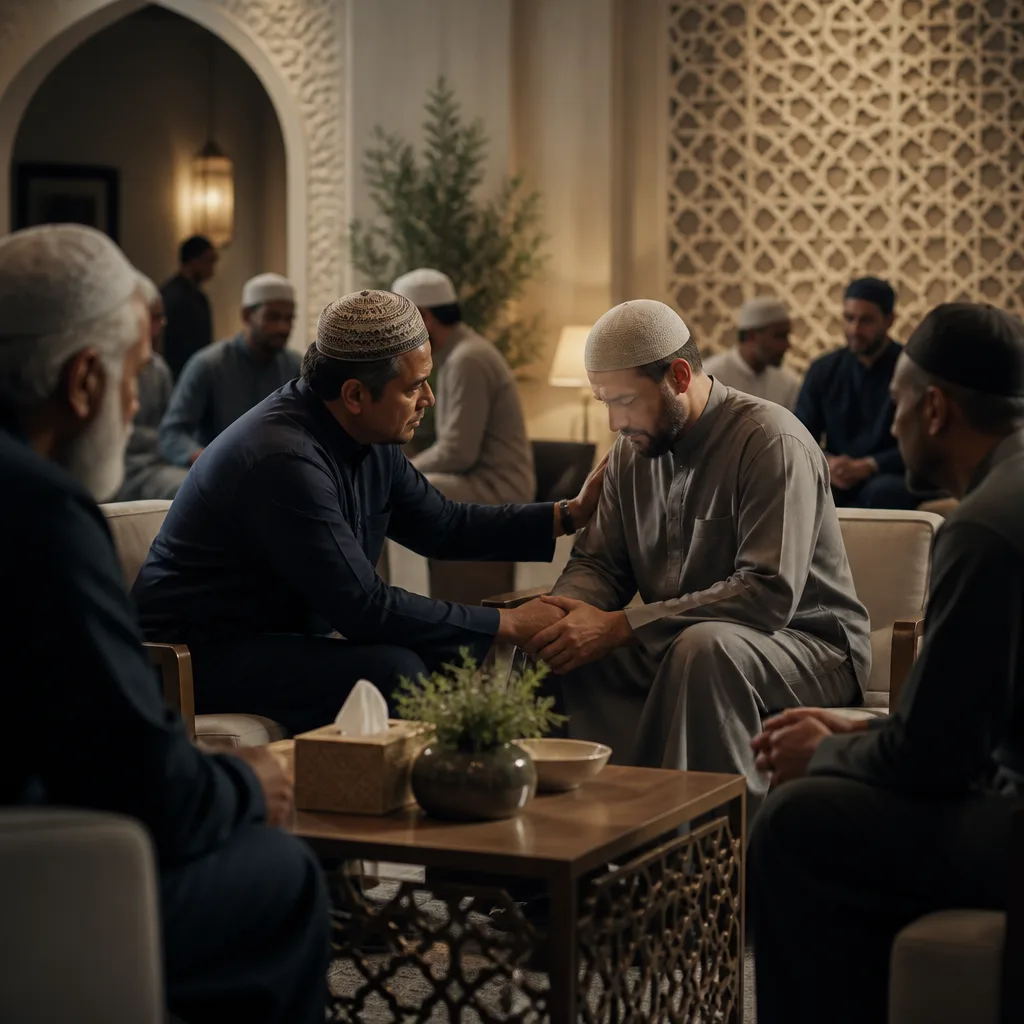
What is a multi-faith funeral?
A multi-faith funeral is a funeral or memorial service where people of more than one faith (or religious background) are included in a shared event—often because the family includes relatives with different beliefs.
In practice, multi-faith funerals may include:
- A gathering where family members offer condolences and speak respectfully
- A mix of readings, prayers, or tributes (depending on what each faith tradition permits)
- Faith-specific rites occurring in a structured and respectful way
- Coordination with clergy and funeral directors to keep everyone’s needs honored
For mixed-faith families honoring a deceased Muslim loved one
A multi-faith approach doesn’t mean blending sacred rites in a way that conflicts with Islamic tradition. Instead, it usually means planning the overall gathering with respect, while ensuring Islamic burial rites and remembrance practices are carried out properly.
Islamic funeral care with interfaith respect (what we help coordinate)
At AMCC, we focus on mercy, dignity, and clarity—so both Muslim and non-Muslim relatives understand what’s happening and feel included appropriately.
Our interfaith-friendly approach
- Where and how the Muslim rites will take place (including timing)
- How non-Muslim relatives can participate respectfully (for example: attending the gathering, offering condolences, or sharing a tribute)
- What Islamic remembrance looks like before and after burial
- How to communicate the plan to the funeral home, cemetery, and family members
Honoring Islamic tradition while extending compassion to everyone in the family. We’ll help you choose an approach that reduces stress and prevents misunderstandings—especially during a time when emotions run high.
A calm, step-by-step guide to funeral arrangements
When you’re grieving, decision-making can feel overwhelming. AMCC support is designed to bring structure and reassurance.
- Step 1: Reach out for guidance early. We’ll help you understand what typically comes next, who needs to be contacted (funeral home/cemetery, family members, faith guidance), and how to handle interfaith concerns thoughtfully.
- Step 2: Confirm the deceased’s Islamic burial needs (as applicable). We’ll help align the plan with Islamic expectations and what the family is able to do, including coordination around burial timing and preparations, and family guidance about what to expect.
- Step 3: Coordinate a respectful multi-faith gathering (when appropriate). We can help structure the event so it’s meaningful for everyone, without compromising Islamic essentials, including a clear schedule for when Islamic remembrance happens.
- Step 4: Support before and after burial. AMCC provides ongoing comfort and bereavement guidance, reminders of Islamic mourning practices, and help finding community resources for grieving families.
- Step 5: Continued care (because grief continues). Interfaith families sometimes feel more alone after the event—AMCC helps you remain connected to support and compassion.

Mourning Customs: Islamic guidance for families (and space for interfaith compassion)
Grief is universal, but mourning practices vary. Below is a helpful overview of common Mourning Customs in Islam (not exhaustive), alongside practical interfaith considerations.
What families often expect in Islamic mourning
- Condolences and dua (prayers): comforting the family and making remembrance for the deceased
- Respectful remembrance: caring for the deceased with dignity and compassion
- Ongoing support for loved ones: helping family members through the days and weeks after burial
- Community care: receiving support through faith and community connection
How non-Muslim relatives can participate respectfully
Non-Muslim family members may want to do something meaningful. A multi-faith-friendly plan often allows:
- Attending a gathering or condolence event
- Offering words of support (without replacing sacred Islamic rites)
- Participating in respectful remembrance moments as appropriate
- Understanding that Islamic rites are performed according to Islamic tradition
If family members disagree about “what should happen”
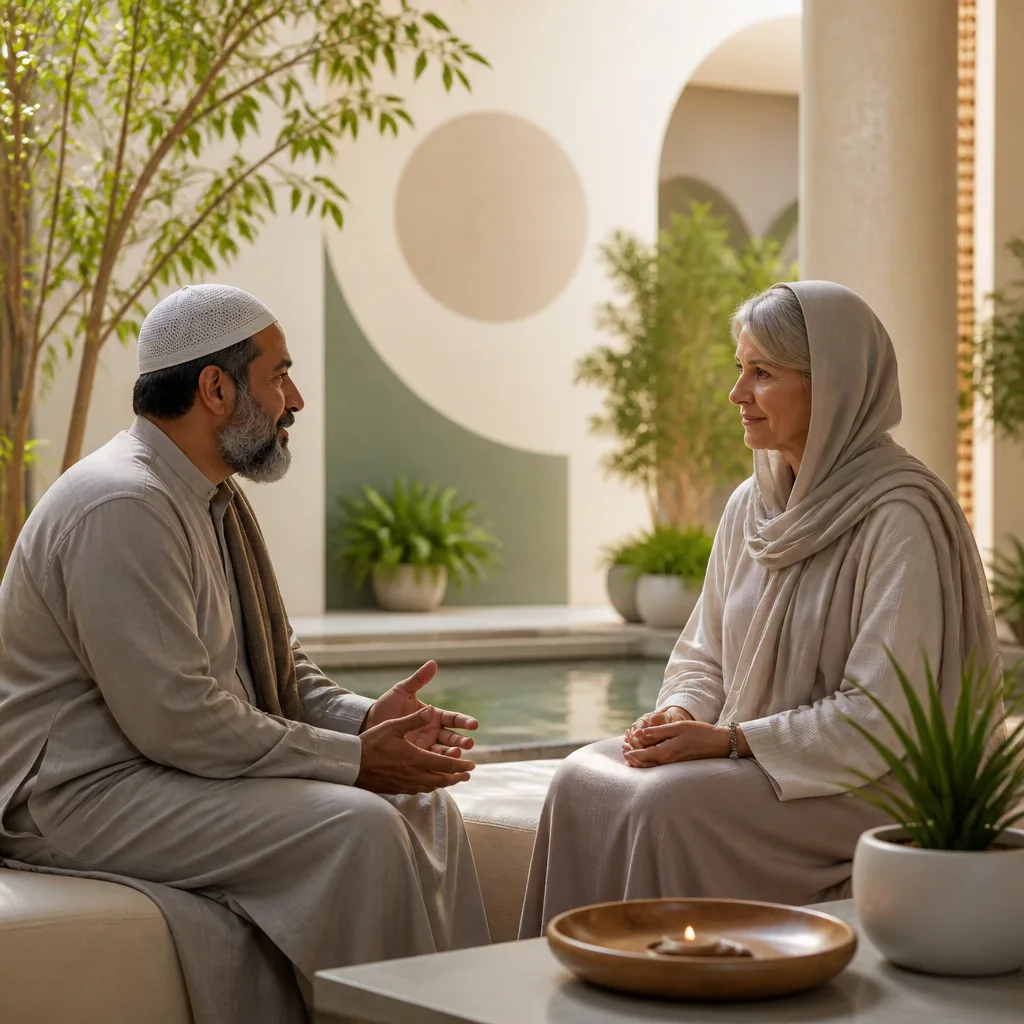
AMCC helps you communicate clearly: what will be done according to Islamic tradition, what can be shared respectfully by others, and what should remain separate to avoid confusion or conflict. You do not have to “figure it out alone” while grieving.
Handling difficult moments between faith traditions
Interfaith grief can bring extra pressure—especially when relatives have different beliefs about prayer, scripture, or ritual participation.
AMCC can help you manage common situations, such as:
- “We want everyone together, but we also want Islamic rites honored.” We help structure a plan that includes both—without confusion.
- “Non-Muslim relatives aren’t sure what to do.” We provide guidance so everyone knows how to show respect appropriately.
- “There’s disagreement about memorial services.” We help align expectations with Islamic remembrance while keeping the family’s emotional needs in view.
If you’re worried about conflict, that’s normal. We’ll help reduce it with clear, compassionate communication.
Frequently Asked Questions
1) What is a multi-faith funeral?
A multi-faith funeral is a funeral or memorial gathering where people from more than one faith tradition participate. For mixed-faith families honoring a Muslim loved one, it usually means the event is structured to include everyone respectfully while Islamic rites and burial practices remain properly observed.
2) Can non-Muslim relatives attend Islamic funeral services?
Yes. Non-Muslim relatives are often welcome to attend the broader gathering and show support. Islamic rites themselves are carried out according to Islamic tradition, and AMCC can help clarify what participation looks like so no one feels excluded or confused.
3) Do we have to choose between honoring Islam and honoring other beliefs?
No. You can honor Islamic tradition while also providing respectful space for other family members—especially in a condolence gathering, tribute, or remembrance moment. AMCC will help coordinate a plan that protects Islamic essentials and includes everyone compassionately.
4) How do we plan if family members want different readings or prayers?
We recommend planning early with guidance. AMCC can help structure the schedule so that Islamic remembrance is handled appropriately and other respectful tributes can be included in a way that doesn’t disrupt sacred Islamic rites.
5) What mourning customs should we follow as an interfaith family?
Families often focus on compassion, dua, and respectful remembrance. AMCC can guide you through Islamic mourning expectations and suggest ways non-Muslim relatives can support the family in meaningful, respectful ways.
6) How soon should we contact AMCC after a death?
As soon as you’re able. Early contact helps with coordination, clarity, and reducing last-minute stress—especially when multiple family faith perspectives are involved.
7) Do you provide support after the burial?
Yes. AMCC offers bereavement support and community care to help families continue through grief with spiritual and practical guidance.
8) We’re newly Muslim / still learning. Can you help?
Yes. AMCC supports families at different stages, including those who are new to Islam, with compassionate education and guidance throughout the process.
Next steps: request AMCC Funeral Services support
If you’re dealing with the loss of a loved one and you need Islamic funeral guidance with interfaith sensitivity, AMCC is ready to help.
Contact AMCC to receive compassionate support and a calm, step-by-step plan for honoring your loved one with dignity.
Contact AMCC