

Islamic Funeral Care for Non‑Muslim Relatives
When a Muslim relative passes away, it can be overwhelming—especially if you’re not Muslim and you’re unfamiliar with Islamic practices. This guide is for non‑Muslim family members who want to understand Islamic funeral customs, burial expectations, and how to respectfully support the process. At American Muslim Community Center (AMCC), we believe “mercy in times of loss” means families shouldn’t have to figure everything out alone.
Explore AMCC SupportWho this guide is for
This page is written for:
- Non‑Muslim relatives and close friends of a deceased Muslim
- Adult children, spouses, siblings, and in‑laws who want to show support
- Anyone planning to attend a funeral and not sure what’s appropriate
- Families coordinating with funeral homes and community resources
The reassurance families often need first
In many situations, Islamic funeral rites and rituals are guided by:
- A clear timeline (often arranged quickly, while the body is handled with respect)
- A focus on dignity and mercy
- Community support—not only for the deceased, but also for the family
As a non‑Muslim relative, you may not know what to do—and you won’t be expected to. The most important thing is respect, gentle support, and communication.
Quick overview: What typically happens in an Islamic funeral
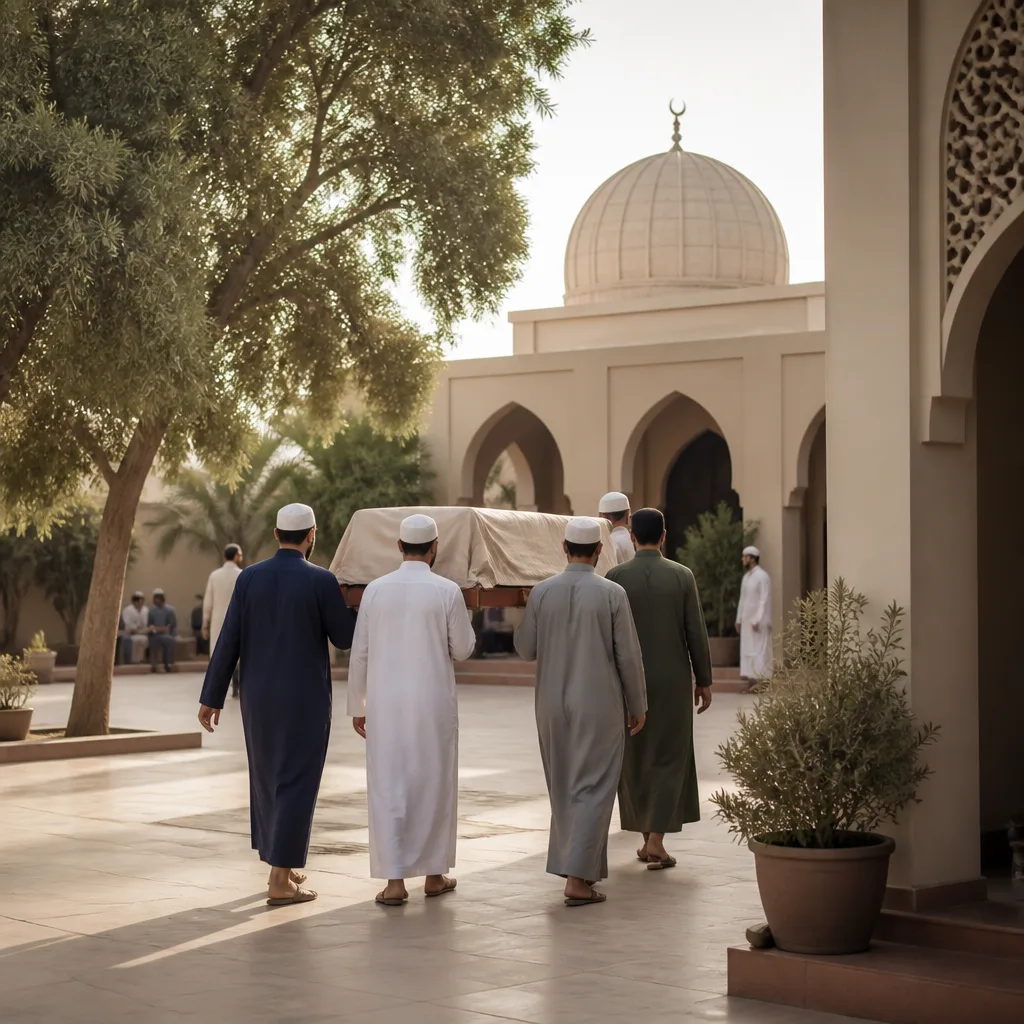
While details can vary by community and circumstances, many Islamic funerals follow a similar flow:
- Immediate care and confirmation (hospital/funeral home coordination)
- Ritual preparation (such as washing and shrouding, when applicable)
- Janazah (funeral prayer), usually a short prayer before burial
- Burial with Islamic guidance for the grave placement and orientation
- Condolences and community support for the days and weeks after
Step-by-step: What to expect after a death
1) Arranging next steps (with compassion and clarity)
If you’re a non‑Muslim relative, you may be asked to help with logistics such as:
- Contacting the funeral home and local arrangements
- Confirming documentation and timelines
- Coordinating transportation
- Communicating with family members
AMCC Funeral Services support families by helping you coordinate the process respectfully and in a timely manner—without added confusion during a painful time.
Learn more about AMCC’s Funeral Services.
2) Preparing the body (as Islamic guidance allows)
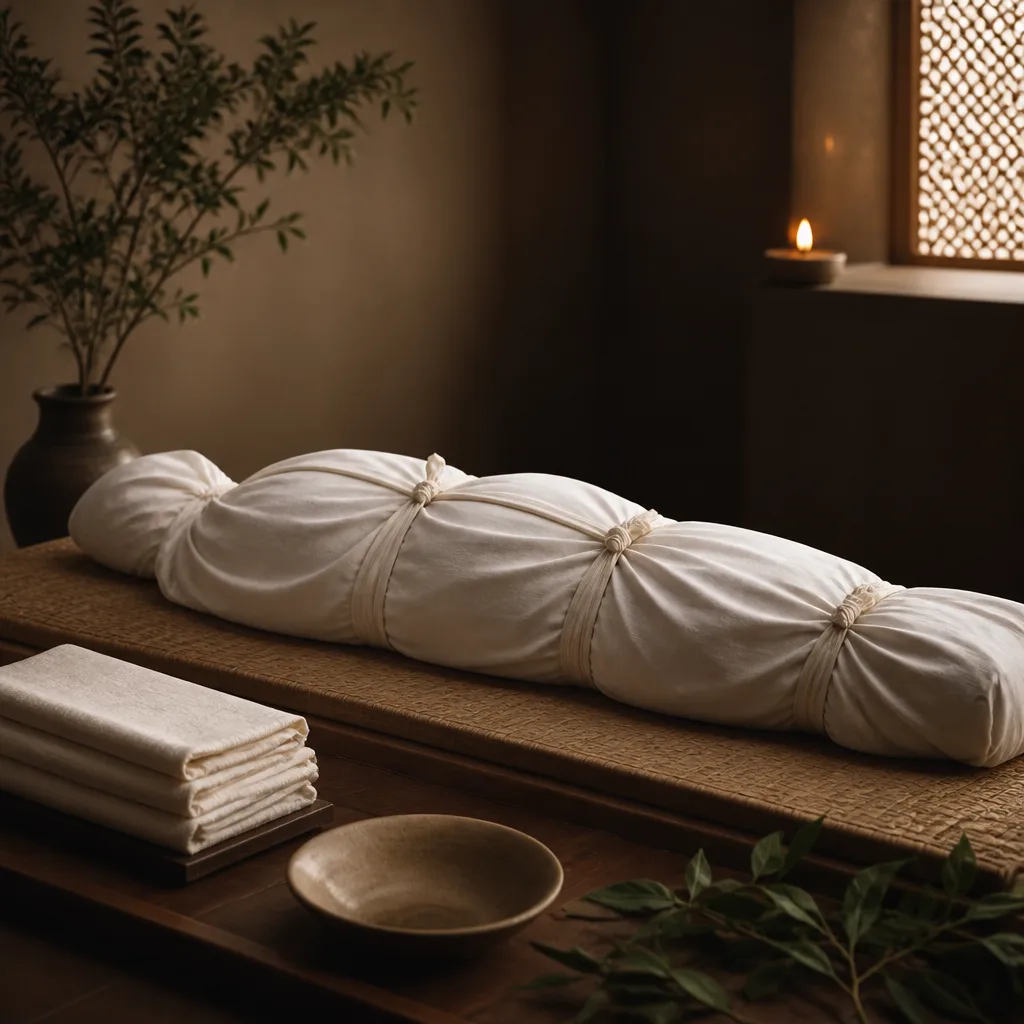
Many Muslim communities arrange for religious preparation of the deceased, which may include:
- Washing (ghusl) of the body
- Shrouding (kafan) in simple cloth
- Careful handling that prioritizes dignity
This is typically handled by trained community members. Non‑Muslim relatives usually do not need to participate directly, but you can be present if your family invites you and it feels culturally appropriate.
Tip: If you’re unsure what you’re allowed to observe, ask calmly and privately. Respectful boundaries are normal.
What do Muslims Believe? (A simple, non‑technical overview)
Understanding the “why” can make the experience less confusing and more meaningful. Common beliefs include:
- Death is a transition, and Allah’s mercy remains central.
- The deceased is treated with dignity, and family members are supported with hope.
- Supplication (du‘a) from loved ones is valued.
- The funeral process is meant to be simple, respectful, and faith‑based.
If you’re wondering, “Why does this funeral look like this?”—it’s often because Islamic teachings prioritize mercy, cleanliness, and community care.
Funeral rites and rituals: The core moments you’ll hear about
3) Janazah (the funeral prayer)
The janazah prayer is usually:
- Short
- Communal
- Focused on mercy and making du‘a (supplication) for the deceased
What you might see as a non‑Muslim relative:
- Family and community gather in rows
- A respectful, quiet atmosphere
- People standing/sitting depending on the local practice
Do you have to participate? No. If you’re unsure, the safest approach is to stand respectfully and follow the group from a distance. Many families will tell you what feels comfortable.
4) The burial
Islamic burial expectations generally include:
- Burial in a timely manner (often soon after death)
- Placement of the body with guidance about orientation toward qiblah
- A grave that offers dignity and respect
Important note: Practices can differ by region, burial ground policies, and family circumstances—so AMCC coordinates guidance with relevant community resources.
How non‑Muslim relatives can support respectfully
You don’t have to “get everything right.” The goal is support that feels loving and appropriate.
What you can do
- Offer condolences using kindness and patience (Even if you don’t know Islamic terms, simple words like “I’m so sorry” matter.)
- Ask one clear question if you need guidance: “What would be most helpful for me today?”
- Show up on time and follow the family’s cues.
- Help with logistics if family members delegate tasks.
- Respect privacy—not everyone wants details shared.
What to avoid (when possible)
- Interrupting religious preparation
- Treating the process like a “performance” or asking questions in a way that embarrasses others
- Pushing cultural habits that conflict with Islamic instructions (for example, certain preferences around handling the body and burial)
If you’re unsure, AMCC can help translate expectations in a compassionate way.
AMCC Funeral Services: Mercy in times of loss
American Muslim Community Center (AMCC) provides compassionate, faith‑based support to families during times of loss—helping you coordinate Islamic funeral arrangements and offering spiritual and practical care before and after burial.
AMCC can help with:
- Coordinating funeral logistics in a timely and respectful manner
- Religious guidance for the family during the funeral process
- Support for key Islamic rites (as applicable) in coordination with relevant community resources
- Bereavement support and community care for grieving families
AMCC is here to support families with respectful Islamic funeral care and compassionate guidance—so you can focus on honoring your loved one.
“We didn’t know what to expect…” (Sample story drafts for real families)
- Story 1: “I was overwhelmed and didn’t want to mess anything up. AMCC calmly walked us through what would happen, what was optional, and how we could be respectful. I felt supported, not judged.”
- Story 2: “Between hospital calls and coordinating documents, we were exhausted. Their team helped us organize logistics while also making room for our questions and our family’s needs.”
- Story 3: “As a non‑Muslim relative, I worried I wouldn’t understand the rituals. They reassured us that respect was what mattered most—and that community care extends to everyone.”
Learn more: Islamic Learning Foundation resources
Some families want deeper context—especially when they’re trying to understand Islamic learning beyond “what happens next.” Through Islamic Learning Foundation‑style explanations and community education, AMCC can help you understand:
- The meaning behind funeral rites and rituals
- What to expect at each stage
- How Islamic guidance applies in practical, everyday decisions during loss

Frequently Asked Questions (FAQ)
1) Can non‑Muslim relatives attend a Muslim funeral?
Yes. In most cases, non‑Muslim relatives are welcome. You may simply follow the family’s guidance on what to observe or participate in.
2) What should I wear?
Aim for modest, respectful clothing. If the family has a preference, follow it. When in doubt, choose simple and comfortable attire.
3) Should I participate in janazah prayer?
If you’re unsure, it’s okay to stand respectfully and follow the group. The safest approach is to ask a family member or AMCC representative what’s comfortable for you.
4) Are Islamic funerals always the same?
Practices may vary by community, location, and circumstances. AMCC helps coordinate arrangements so the process aligns with Islamic teachings and local realities.
5) Do Muslims require burial?
Islamic guidance generally prioritizes burial. However, legal, medical, and local requirements can affect logistics. AMCC can help you understand expectations and work with the family and local resources.
6) What can I say to the family?
You don’t have to use religious language. Supportive words like these are meaningful:
- “I’m so sorry for your loss.”
- “How can I help you right now?”
- “I’m thinking of you.”
7) How long does support last?
Grief doesn’t end after burial. Many communities offer ongoing bereavement support and reminders that the family isn’t alone.
Get guidance from AMCC Funeral Services
If you’re supporting a deceased Muslim relative and want clear, respectful help, AMCC is ready to assist. Contact AMCC’s Funeral Services for compassionate guidance with:
- Funeral logistics coordination
- Faith‑based support
- Family care before and after burial
You don’t need to be an expert to be supportive. Your presence, your respect, and your willingness to ask questions are what truly help families during loss. From AMCC’s Islamic support to practical coordination, we’re here for the moments that matter most.