

Second-Time Nikah Ceremony Guide for Remarriage
If you’re divorced or widowed and preparing for remarriage, you deserve a Nikah process that feels compassionate, dignified, and nonjudgmental—with clear steps, community support, and authentic Islamic guidance. The American Muslim Community Center (AMCC) is here to make your Nikah simple, faith-based, and community-supported—so your union begins with Islamic integrity, mercy, and strong family values. Your Nikah, guided by compassion and Islamic integrity.
Request AMCC Nikah SupportWho This Guide Is For (Second-Time Nikah Couples)
This guide is designed for:
- Divorced Muslims preparing for remarriage
- Widowed Muslims preparing for remarriage
- Couples who want a clear, organized Nikah timeline
- Families who need respectful communication and cultural sensitivity
- Anyone seeking clarity on key concepts like the Meaning of Mahram
What Is Nikah? (And What It Means Islamically)
A Nikah is an Islamic marriage contract. It’s more than a ceremony—it’s a faith-based agreement with responsibilities, rights, and blessings.
While ceremonies vary by culture, the Islamic foundation stays consistent:
- A lawful contract (proposal and acceptance)
- Proper guardianship/wali (as required in Islamic jurisprudence)
- Witnesses (as required)
- Clarity and sincerity in the intention to build a righteous marriage
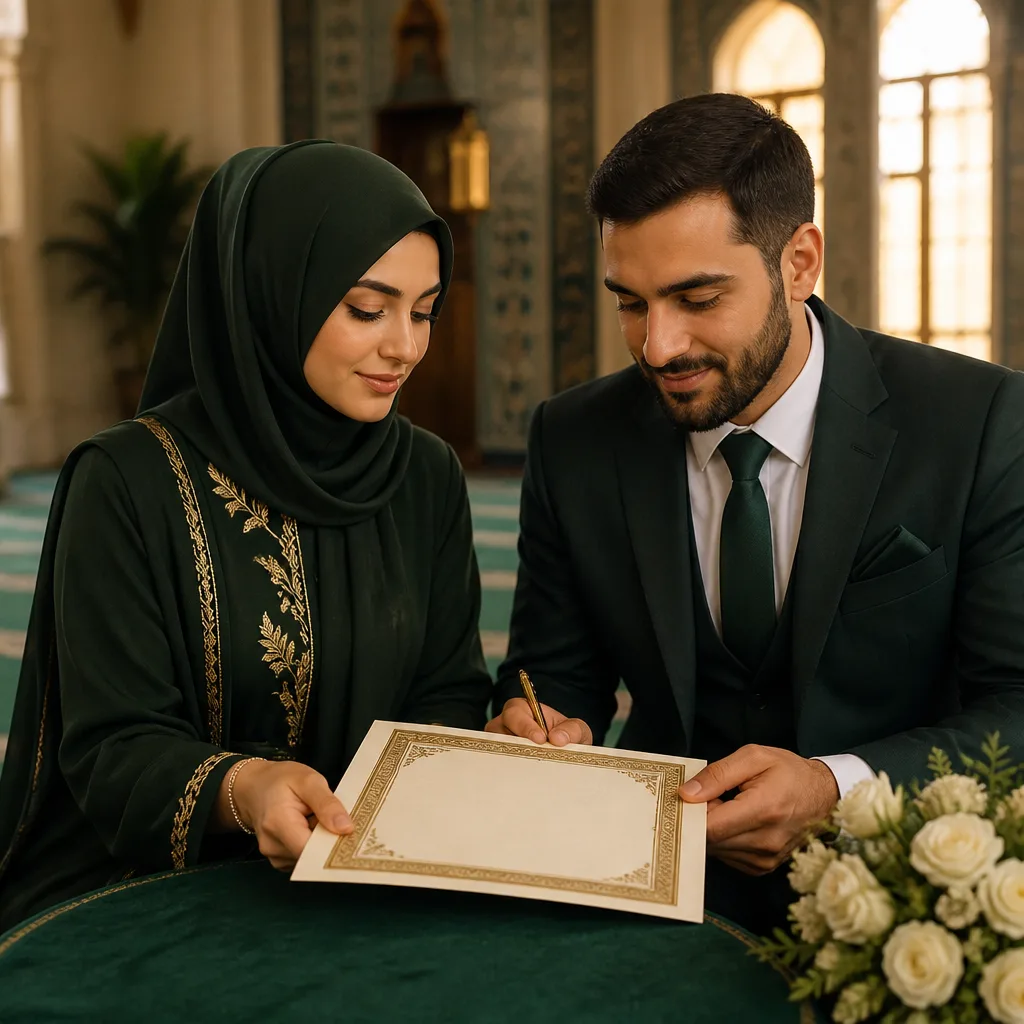
Your Nikah Timeline (What to Expect Step-by-Step)
Use this as a practical roadmap. AMCC can guide you through each stage—especially if this is your first time navigating Nikah services after divorce or widowhood.
Step 1: Marriage Readiness & Support Check-In
We begin with a supportive conversation to understand:
- Your situation (divorce/widowhood)
- Your goals for remarriage
- Practical needs (date planning, witnesses, documentation support)
- Family expectations and communication preferences
AMCC emphasizes emotional readiness, respectful boundaries, and faith-based decision-making.
Step 2: Confirm Islamic Requirements (Including Waiting Period Guidance)
For divorced or widowed individuals, Islam includes guidance around waiting periods (‘iddah) where applicable. AMCC helps you understand the process and connects you with appropriate guidance so your Nikah is planned with care.
Note: Details can vary based on circumstances. Your AMCC counselor will provide next steps aligned with Islamic learning.
Step 3: Arrange the Key Roles (Wali, Witnesses, Officiant)
Depending on your community practice and fiqh guidance, AMCC helps coordinate:
- Wali/guardian arrangements (where required)
- Witnesses (as required)
- A qualified officiant/imam to guide the contract
Step 4: Review Ceremony Structure (So You Know Exactly What Happens)
Most Nikah ceremonies follow a recognizable flow—AMCC will confirm the plan with you in advance.
Typical flow includes:
- Welcome and guidance (short reminders)
- Contract recitation / proposal and acceptance
- Witness confirmation (as required)
- Closing blessings and family acknowledgments
Step 5: Ceremony Planning (Family-Safe, Culture-Respectful)
AMCC supports families with clear communication, respectful expectations, and a calm environment—particularly helpful for second-time couples and blended family dynamics.
If you’re planning related Events (like a small gathering before/after the contract), AMCC can coordinate with an event planner approach—ensuring the tone remains Islamic, organized, and community-appropriate.
Step 6: Documentation & Follow-Through
You’ll receive support for the practical side of Nikah readiness, including:
- documentation requirements (as applicable)
- planning checklists
- ensuring nothing is missed before the contract is finalized
Step 7: Spiritual Counsel Before and After
A strong Nikah includes ongoing guidance. AMCC offers counseling and spiritual support before and after the marriage—so you don’t feel alone once the ceremony is over.
Meaning of Mahram: Key Clarity for a Respectful Nikah
Many couples ask about the Meaning of Mahram—especially second-time couples who want things done correctly and comfortably around family boundaries.
In Islamic usage, a mahram generally refers to a person a woman is permanently prohibited from marrying due to close kinship (such as father, brother, etc.). This concept can also relate to how families navigate attendance and respectful boundaries during gatherings.
How this applies to Nikah planning:
- AMCC helps you plan the ceremony in a way that respects Islamic guidelines and family comfort.
- We’ll clarify expectations on who should be present for the ceremony and related gatherings, aligned with your circumstances and community practice.
If you’re unsure who should attend, tell AMCC what you want—your request will be handled with respect, not assumptions.
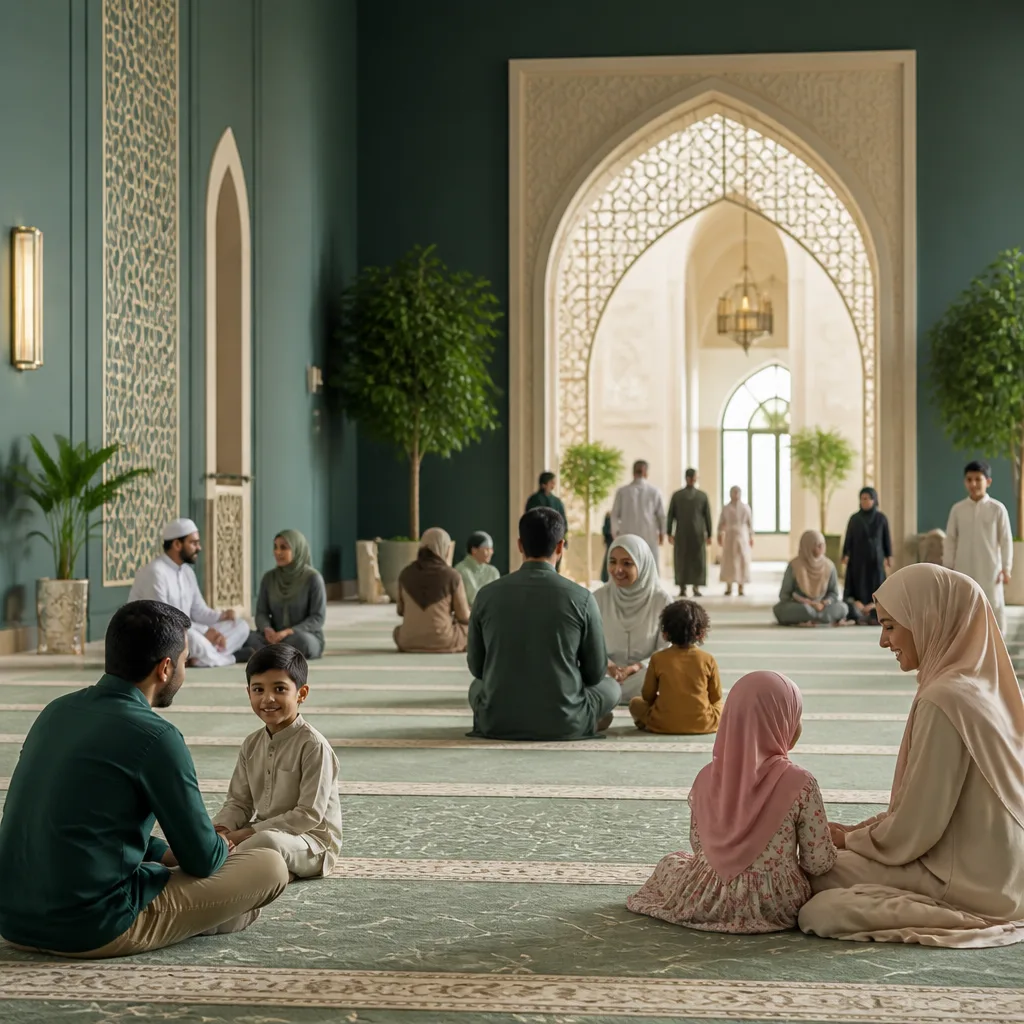
AMCC Nikah Services: Community-Centered Guidance You Can Trust
AMCC provides guidance and support for couples seeking Nikah in a respectful, organized, community-centered way.
What AMCC helps with:
- Marriage readiness support (spiritual + practical)
- Coordinating the Nikah process step-by-step
- Helping with documentation requirements
- Connecting couples with qualified officiants/imams
- Supporting families through ceremony planning
- Offering ongoing spiritual counsel before and after the marriage
Why AMCC Is Different for Second-Time Couples
If you’ve been through divorce or widowhood, you may want:
- a calmer process
- clear expectations
- gentle guidance
- a community that won’t judge your past
AMCC’s approach is built on compassion, Islamic integrity, and a welcoming environment.
The Nikah Contract Basics (So You Feel Confident)
While your ceremony details may vary, the Islamic contract is the heart of the Nikah. In general, couples should understand:
- Proposal and acceptance (the contract words/intent)
- Witnesses (as required)
- Wali/guardian arrangements (as required)
- Clarity of marriage intention and mutual commitment
AMCC ensures you’re not left guessing—your steps, timelines, and roles are clearly communicated.
Family Support & Communication (Blended Families Included)
Second-time marriages often involve complex emotions and family considerations. AMCC helps you plan:
- respectful family communication
- boundaries that protect dignity for everyone involved
- culturally sensitive planning
- clear expectations so everyone feels included appropriately
You can bring your questions—no one will pressure you or dismiss your concerns.
Healthy Marriage Advice Built on Islamic Teachings
A Nikah is a beginning. AMCC supports couples with reminders and counsel rooted in mercy and compassion, compatibility and honest communication, responsibilities and shared values, trust, patience, and growth.
Whether your marriage is a fresh start or a second chance, your union deserves strong Islamic and family values from day one.
FAQs About Second-Time Nikah (Divorce & Widowhood)
1) Do I need to start over completely after divorce or widowhood?
You’ll plan your Nikah with Islamic requirements and readiness. AMCC helps you understand what applies to your situation and organizes next steps.
2) What if I feel nervous about attending Nikah events again?
That’s completely understandable. AMCC focuses on a supportive environment—clear guidance, respectful planning, and nonjudgmental support.
3) What is the Meaning of Mahram in a Nikah ceremony context?
In general, mahram refers to people permanently prohibited for marriage due to close kinship, and it affects how families plan attendance and boundaries. AMCC helps clarify expectations for your ceremony setup.
4) Can we plan related Events (like a small family gathering)?
Yes—AMCC can help coordinate the flow respectfully. If you want structured planning, an event planner approach can help keep things organized and aligned with Islamic etiquette.
5) Will AMCC help with documentation?
Yes, AMCC supports documentation requirements and readiness checklists as part of the Nikah services process.
Ready for a Compassionate, Organized Nikah? (Next Steps)
If you’re preparing for a second marriage and want a Nikah process that feels guided and respectful, AMCC can help.
- Schedule a Nikah guidance check-in
- Share your needs (timeline, family questions, ceremony preferences)
- Review requirements with AMCC support
- Confirm ceremony roles and schedule
- Receive guidance before and after the Nikah
Tell us: your preferred timeframe and whether you’re divorced or widowed. We’ll respond with a clear, respectful plan for next steps.
Quick Resource: What to Prepare Before Your Consultation
- Your availability (preferred dates/time windows)
- Any family attendance questions (including Meaning of Mahram concerns)
- Your preferred ceremony style (quiet contract-only vs. small community gathering)
- Your documentation questions (if you already know what you need)
A second-time marriage deserves more than “process.” It deserves care—clear guidance, respectful family support, and Islamic integrity from beginning to end.
Your Nikah, guided by compassion and Islamic integrity.
Request AMCC Nikah Support