

Hospice vs Palliative for Muslim Patients & Funeral Care
When a loved one is nearing the end of life, caregivers often face two simultaneous needs: making the right medical choice, and honoring the person with dignity through Islamic spiritual support and funeral guidance. American Muslim Community Center (AMCC) is here to support families with respectful Islamic funeral care and compassionate guidance—so you can focus on honoring your loved one.
Request Help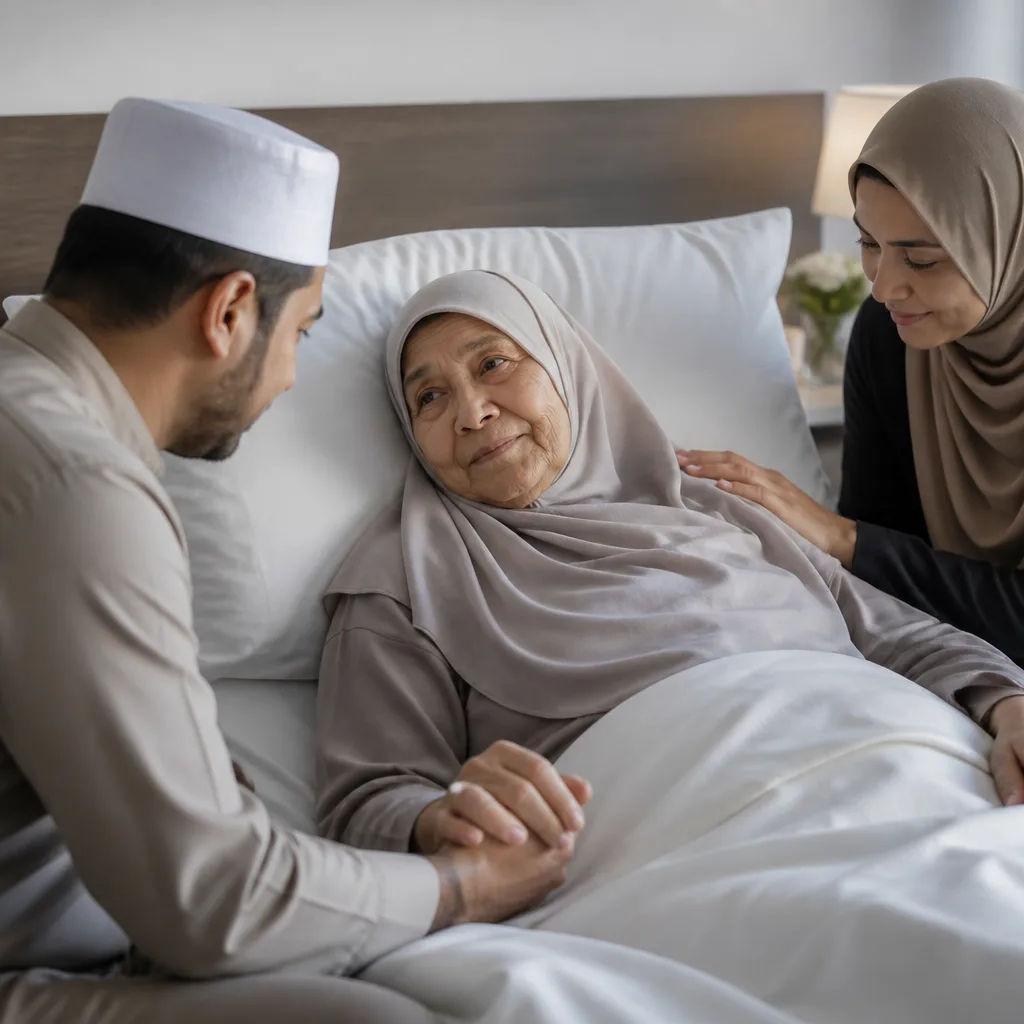
Mercy in Times of Loss: Hospice vs Palliative + Islamic Funeral Guidance
When caregivers are navigating end-of-life decisions, clarity can feel urgent. AMCC supports families with compassionate guidance and respectful Islamic funeral care, helping you focus on honoring your loved one.
Whether you’re caring for a lifelong Muslim community member or supporting a family member who is newly exploring Islam, AMCC helps you navigate what’s possible, what to ask for, and what to prepare—step by step.
Hospice vs Palliative: What’s the Difference?
Many caregivers hear the terms “hospice” and “palliative” and wonder if they’re the same thing. They’re related—but not identical.
Palliative Care (for comfort at any stage)
Palliative care focuses on relief from pain, stress, and symptoms, regardless of whether the person is pursuing treatment. It can be provided early, alongside ongoing medical care.
Caregivers often choose palliative care when:
- Symptoms are hard to manage (pain, breathlessness, anxiety, nausea)
- The care team needs help aligning treatment with the family’s values and goals
- The person needs more comfort-focused support while treatment decisions are ongoing
Hospice Care (comfort-focused end-of-life care)
Hospice care is typically for someone who is believed to be in the end stage of a serious illness, where the focus shifts from curative treatment to comfort and quality of life.
Hospice often includes:
- Symptom management and comfort planning
- Support for family caregivers
- Emotional and spiritual support (where available through the team and community resources)
Key takeaway: Palliative care = comfort support at any stage. Hospice care = comfort-focused support when life expectancy is limited.
How to choose (a caregiver-friendly approach)
If you’re unsure where your loved one fits, ask the care team:
- “Are we looking at palliative care now to manage symptoms while we decide next steps?”
- “Would a hospice evaluation help us plan for comfort and support?”
- “How can we ensure the care plan respects Islamic spiritual needs?”
AMCC can help you prepare questions and coordinate faith-based support resources alongside medical care.
Care for Muslim Patients: Faith Needs Near End of Life
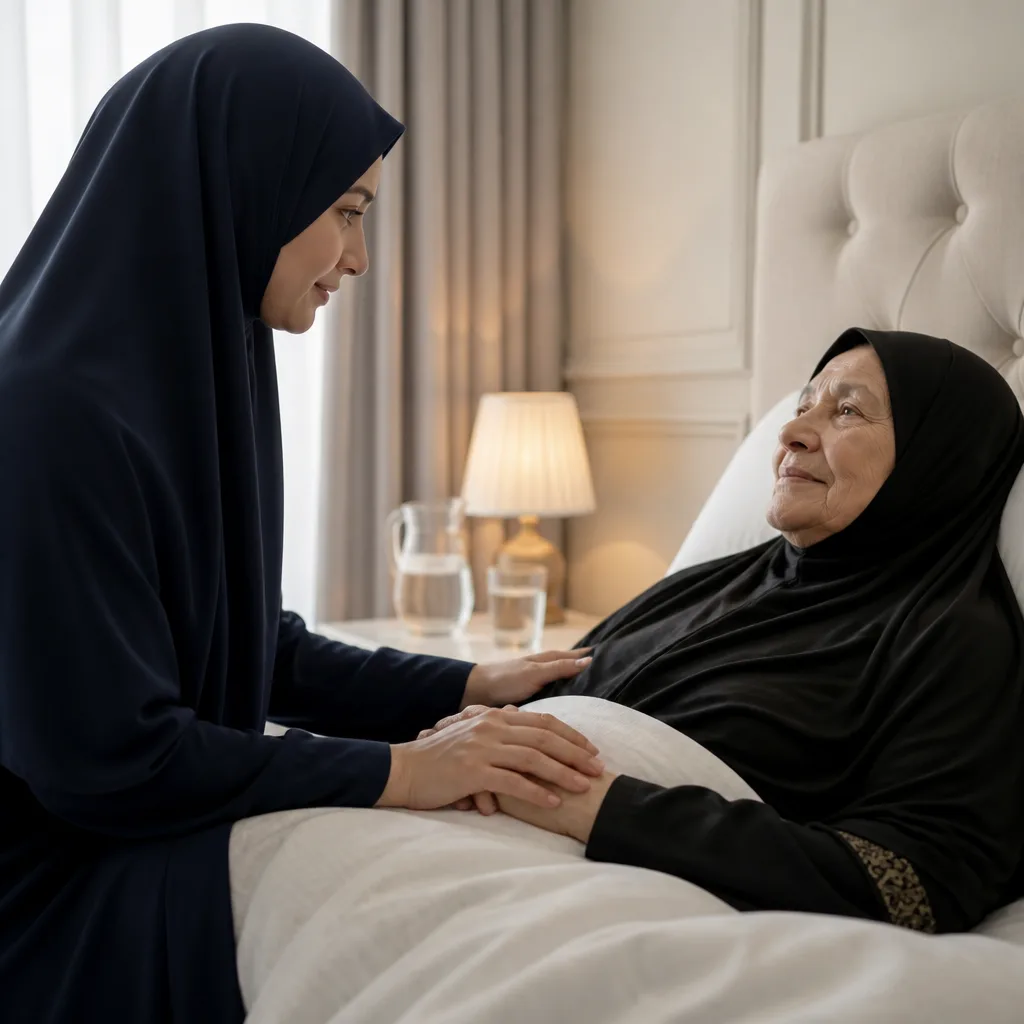
Islamic end-of-life care is not only about rituals—it’s also about dignity, spiritual closeness, and practical respect. While medical teams focus on comfort and safety, families can advocate for the spiritual care that matters most.
Below are common requests families consider (always coordinate with the medical team and relevant community resources).
Spiritual support caregivers often seek
- Qur’an recitation (when appropriate and welcomed)
- Du’a and remembrance for the person’s comfort and the family’s strength
- Supporting the person and family with reminders of hope, patience, and mercy
- Creating space for prayer practices (as feasible within the care environment)
Modesty, gender preferences, and respectful communication
- Modest clothing and respectful draping during care
- Preference for same-gender caregivers when possible
- Clear, compassionate communication—especially during distress
Comfort and cultural sensitivity
- Food and hydration considerations aligned with dietary needs (when possible)
- Comfort-focused routines (reducing unnecessary interruptions)
- Creating a calmer environment for spiritual support and family presence
Important note: Some requests depend on the person’s medical condition and hospital policies. The goal is to advocate respectfully, find safe alternatives, and coordinate with AMCC and the care team.
What to Say to the Care Team (Simple Faith-Respecting Questions)
When emotions are high, it helps to have a short list ready. Consider asking:
- “Can we request comfort-focused care aligned with our family values?”
- “Do you offer (or can you coordinate) spiritual support resources?”
- “How can we request privacy and modesty during exams and bathing?”
- “Can you help us arrange a quiet time for Qur’an recitation and du’a?”
- “What do you recommend for pain and breathing comfort?”
- “If hospice is appropriate, what would the enrollment process look like?”
- “Who is the point person for questions about end-of-life planning?”
Document the family’s priorities
If possible, write down:
- Symptom priorities (pain, breathlessness, anxiety)
- Comfort preferences (timing, privacy, visitation)
- Spiritual requests (Qur’an, du’a, imam access if needed)
- Funeral-related notes you’ll want addressed after death
AMCC can help families translate these priorities into a practical next-step plan. To reach out, you can visit our Contact Us page.
Islamic Funeral Arrangements: A Clear Timeline (Before & After Burial)
Many families feel overwhelmed by funeral logistics at the exact moment they most need guidance. The timeline below is designed to reduce uncertainty.
Every situation is unique. Timing and specific rites can vary depending on circumstances, location, and available resources. AMCC’s role is to help you coordinate respectfully and appropriately.
Step 1: Immediately after death (what to do first)
- Contact the appropriate medical/hospital process for certification and pronouncement.
- Begin planning for a timely, respectful funeral process.
- Notify AMCC so we can support you with faith-based guidance and coordination as available.
Step 2: Confirm requirements and coordinate next steps
You’ll typically coordinate with:
- Medical/hospital staff (paperwork and release process)
- Funeral service logistics (timelines, handling, burial arrangements)
- Community faith guidance (family’s wishes and religious rites as applicable)
AMCC helps families: Understand what to expect next, coordinate faith-aligned funeral planning, and identify community support resources when needed.
Step 3: Support for the family during funeral preparation
Care isn’t only for the deceased—it’s for the living too.
- Religious guidance during the funeral process
- Emotional reassurance when decisions feel difficult or urgent
- Practical reminders so the family isn’t carrying everything alone
Step 4: During and after burial
After burial, families often experience a “second wave” of grief. Common needs include:
- Coping with loss and shock
- Continuing religious and community support
- Reaching out when questions come up later
AMCC offers bereavement support and community care to help families feel less alone.
How AMCC Funeral Services Support Families (Mercy in Times of Loss)
AMCC’s Funeral Services provide compassionate, faith-based support to families during times of loss. Our aim is simple:
Our mission in one line: AMCC is here to support families with respectful Islamic funeral care and compassionate guidance—so you can focus on honoring your loved one.
What AMCC helps with
- Help coordinating funeral logistics in a timely and respectful manner
- Religious guidance for the family during the funeral process
- Support with key Islamic rites (as applicable) in coordination with relevant community resources
- Bereavement support and community care for grieving families
Faith-based care that still meets real-life needs
Families often need two kinds of help at once:
- Spiritual comfort (so the process aligns with Islamic values)
- Practical navigation (so medical, funeral, and paperwork steps don’t compound stress)
AMCC is built to meet both—through community presence, Islamic guidance, and care coordination.
What Families Can Expect When They Work With AMCC
When you reach out, we aim to make the process feel calm and organized—especially during an emotional time.
- You contact AMCC for guidance and support.
- We listen to your situation and help clarify what’s needed next.
- We support coordination for Islamic funeral planning and family needs.
- We provide spiritual and bereavement support, so the family isn’t left on their own after burial.
If you’re a caregiver right now and feel like you’re “behind” on everything—reach out. We can help you get oriented quickly.
“Care for Muslim Patients” Isn’t Just for One Stage—It’s for the Whole Journey
End-of-life care is a continuum:
- Medical decisions (often hospice vs palliative)
- Spiritual comfort and dignity for the person
- Funeral planning aligned with Islamic values
- Continued support for grief after burial
When families receive support across the whole journey, the burden reduces—and the family’s love can express itself in meaningful ways.

FAQ (Quick Answers)
1) Is hospice the same as palliative care?
No. Palliative care focuses on symptom comfort at any stage. Hospice is typically end-of-life care focused on comfort when life expectancy is limited.
2) Can we still get religious support if my loved one is in hospice?
Often, yes. Hospice teams frequently support comfort and family needs, and families can coordinate religious support resources (like Qur’an recitation and imam access) through community partners. AMCC can help guide next steps.
3) What if our family is newly Muslim or still learning Islamic practices?
You are not alone. AMCC can support families with faith-based guidance and coordination—so you can honor your loved one with the support that fits your situation.
4) How soon should we contact AMCC after a death?
As soon as you can. Early contact helps you navigate logistics calmly and ensures Islamic guidance is available for the process.
5) What if hospital rules affect prayer, Qur’an recitation, or modesty?
Medical safety and policy matter. The best approach is respectful coordination: ask what’s possible, plan quiet windows, and coordinate alternatives. AMCC can help you think through practical options.
Ready to Get Support? Contact AMCC Funeral Services
If you’re caring for someone near the end of life—or you’re preparing for funeral arrangements—you don’t have to do this alone. AMCC is here with mercy in times of loss, offering guidance for Islamic funeral planning, coordination support and religious reassurance, and bereavement care for your family.
Request Help