

Groom’s Guide to Nikkah Ceremony in Central Florida
Preparing for marriage is both spiritual and practical. As a groom, you’re stepping into a covenant that requires sincerity, character, clear communication, and Islamic guidance—before, during, and after the ceremony. The American Muslim Community Center (AMCC) is here to make your Nikah simple, faith-based, and community-supported—with organized help, respectful documentation support, and counseling rooted in Islamic teachings and family values.
Schedule Nikah Readiness Support
What is a nikkah ceremony?
A Nikkah (Islamic marriage) is a legally binding and spiritually meaningful contract between a bride and groom, conducted according to Islamic guidelines. It involves:
- Mutual consent (the core of a valid marriage)
- A clearly agreed mahr (dower/gift for the bride)
- An offer and acceptance (ijab and kabul)
- Witnesses (shuhud)—typically required for the validity of the contract
- A marriage officiant/imam who facilitates the process with Islamic integrity
At AMCC, we help grooms and families understand the process with clarity—so your ceremony is peaceful, respectful, and properly guided.
Your responsibilities as a groom (Islamically grounded)
Before you plan the event, focus on the foundation: your rights, duties, and character as a husband. Here are key responsibilities grooms should prepare for:
1) Sincerity and readiness
- Choose marriage with honesty and intention.
- Be emotionally ready for commitment, patience, and long-term partnership.
2) Respect, mercy, and good character
- Practice akhlaq (good conduct): kindness, respect, and calm communication.
- Speak about your future with responsibility—not pressure or fear.
3) Understand your role in family life
- Providing stability within your means
- Maintaining fairness and compassion
- Supporting your spouse’s worship, wellbeing, and personal growth
4) Clear communication with your future spouse
- Discuss expectations early: family boundaries, roles, finances, and daily routines.
- Ask questions respectfully—this protects the marriage before it begins.
The grooming checklist: preparing for Nikah (spiritual + practical)
Use this groom-focused checklist to move confidently from intention to ceremony.
Spiritual checklist (do these first)
- ✅ Renew intentions (niyyah) for a righteous marriage
- ✅ Strengthen salah and connection to Allah
- ✅ Make du’a for mercy, compatibility, and protection from harm
- ✅ Resolve conflicts or misunderstandings with maturity
Practical checklist (plan the logistics)
- ✅ Confirm the mahr agreement with clarity
- ✅ Arrange witnesses (as required in your situation)
- ✅ Gather identity and documentation needed for AMCC support
- ✅ Schedule pre-Nikah counseling (recommended)
- ✅ Coordinate ceremony expectations with both families respectfully
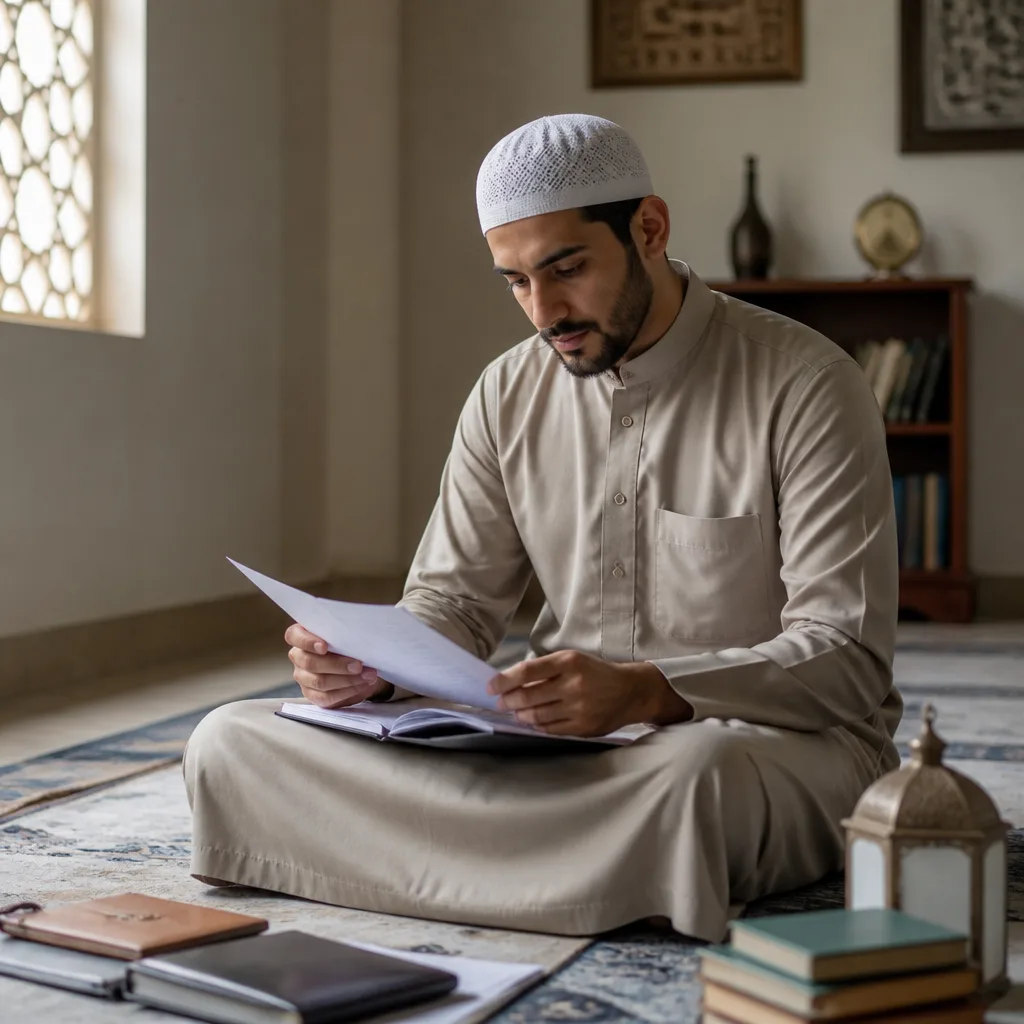
Step-by-step: What happens in a Nikah ceremony?
Most Nikkah ceremonies follow a guided flow. Here’s a clear, groom-friendly overview of what you can expect:
Step 1: Pre-Nikah agreement & counseling — You and the bride discuss the essential marriage agreement. AMCC provides guidance so both sides understand Islamic expectations and ceremony requirements.
Step 2: Mahr (dower) discussion and agreement — The mahr is defined clearly and communicated properly. Your agreement should be respectful, realistic, and understood by both families.
Step 3: Witnesses are confirmed — Witnesses are arranged according to Islamic requirements. AMCC can help you understand what’s needed for a properly facilitated contract.
Step 4: The contract (ijab and kabul) — The officiant facilitates the offer and acceptance process. You (and the bride, through the proper process) confirm the marriage with genuine consent.
Step 5: Du’a and blessings — After the contract, the gathering often includes reminders, du’a, and blessings. This is where the marriage begins with barakah (blessing) and good guidance.
Step 6: Next steps after the ceremony — AMCC supports spiritual counsel before and after the marriage. If you need assistance with any required paperwork steps, we help you stay organized and informed.
Our Projects: community-backed marriage readiness and support
Marriage isn’t only an event—it’s a lifelong partnership supported by strong community values. AMCC is built to serve Central Florida Muslims through education, services, and a welcoming masjid community.
As part of Our Projects, AMCC supports couples and families through:
- Islamic education and guidance for readiness
- Family-centered counseling before the Nikah
- Youth and community programs that strengthen the household culture
- New Muslim support and community care (including resources relevant to marriage)
Amazing Wedding support (without losing Islamic integrity)
Every couple wants a meaningful celebration. AMCC helps you plan with balance:
- Celebration with respect and modesty
- Clear communication with families
- Ceremony guidance that keeps your Nikah spiritually correct and community-supported
Support for families: clear communication and respectful blessings
A groom’s success in marriage often depends on how families communicate. AMCC supports families through:
- Clear expectations before ceremony day
- Respectful, compassionate guidance for both households
- Cultural sensitivity—so families feel included without losing Islamic principles
- Spiritual reminders that strengthen unity and mercy
What to expect at AMCC for Nikah services (timeline + requirements)
AMCC provides guidance that is organized, respectful, and community-centered. Here’s a typical groom timeline:
- 6–8 weeks before: schedule readiness support and discuss ceremony expectations
- 4–6 weeks before: finalize mahr discussion, confirm witnesses, and review documentation needs
- 1–2 weeks before: confirm ceremony details, officiant coordination, and any family communication items
- Day of Nikah: guided facilitation, du’a, and transition support
Common requirements (varies by case—AMCC will confirm yours):
- Identity documentation for the couple
- Pre-Nikah guidance/counseling (recommended for confidence and clarity)
- Witness arrangements as required for the contract
- Marriage documentation steps supported by AMCC guidance
- Coordination for officiant/imam facilitation
Note: AMCC helps with Islamic process support and documentation guidance. For state/legal marriage licensing steps, AMCC will advise you on what you should confirm with relevant local requirements.
Building a healthy marriage after the Nikah
A strong start matters. AMCC offers ongoing spiritual counsel to help newlyweds and even second-time couples feel supported. Focus on these Islamic foundations:
1) Mercy over ego
- Apologize quickly.
- Don’t let pride block harmony.
2) Compatibility through communication
- Talk weekly about what’s working and what needs adjustment.
- Make space for each other’s worship, goals, and needs.
3) Responsibilities with balance
- Discuss finances, household responsibilities, and boundaries early.
- Make decisions by consultation (shura) and respect.
4) Keep Allah at the center
- Shared du’a, consistent salah, and gratitude bring peace.
- Treat marriage as worship in action.
FAQ (Quick Answers)
1) How do I know I’m ready for marriage in Islam?
If you’re sincere, capable of responsibility, and willing to communicate with respect, you’re on the right path. AMCC can also help you through readiness discussions before the ceremony.
2) What is the most important part of a nikkah ceremony?
The marriage contract with genuine consent, proper terms (including mahr), and witnesses—facilitated with Islamic integrity.
3) Do we need pre-Nikah counseling?
It’s strongly recommended. Counseling helps couples and families understand responsibilities, etiquette, and expectations so the ceremony and marriage begin on solid ground.
4) Can AMCC help with documentation requirements?
Yes—AMCC provides guidance and organization support for the process so you know what to prepare and what to confirm.
5) We want a meaningful celebration. How do we keep it Islamic?
Plan a celebration that respects Islamic values—modesty, clarity, and meaningful du’a. AMCC can help you align expectations for a respectful, community-supported event.
Ready to plan your Nikah with AMCC?
If you’re a groom preparing for Nikah and want guidance that’s simple, faith-based, and community-supported, AMCC is here for you.
Reach out to AMCC