

AMCC Youth Programs—Programs & Facilities for Youth Development
Muslim community leaders support youth in ways that strengthen faith, build character, and help young people grow into grounded, confident adults. At the American Muslim Community Center (AMCC) in Central Florida, Youth Programs provide a safe, faith-centered space where Muslim youth learn Islam, develop leadership, build meaningful friendships, and practice good citizenship—supported by families and the wider community.
Learn more about AMCC Youth Programs
Why Youth Development Belongs at the Center of Community Leadership
Strong Muslim communities don’t only preserve tradition—they actively invest in the next generation. Youth development programs help leaders:
- Strengthen faith and identity through consistent Islamic learning and values-based character formation
- Build resilience by offering mentorship, belonging, and positive structure
- Encourage civic responsibility through service, leadership, and responsible community participation
- Strengthen family/community bonds by involving parents, caregivers, and elders
- Protect youth well-being with structured, supervised activities in supportive environments
AMCC’s approach reflects a prevention mindset: when youth have safe spaces, caring role models, purposeful activities, and meaningful goals, they are better equipped to handle social pressure and build healthy futures.
Programs & Facilities: What a Youth-Friendly Space Should Include
When Muslim leaders think about Programs & Facilities, they’re really planning an ecosystem—space plus structure plus people. AMCC’s Youth Programs are built around a welcoming, organized environment where youth can learn, connect, and grow.
1) A Safe, Faith-Centered Environment
Youth need a space where they feel secure physically and emotionally, with clear expectations and respectful culture. That includes:
- Supervised learning and activity areas
- Youth-appropriate classroom or discussion settings
- A community atmosphere that promotes adab (good character) and responsibility
2) Structured Islamic Learning (Beyond “Drop-In”)
Youth development accelerates when Islamic learning is consistent and age-appropriate. Common program formats include:
- Youth classes and halaqah-style learning
- Discussion groups that connect Islamic teachings to real-life choices
- Curriculum rooted in Quran, character, and prophetic guidance
AMCC’s learning approach aligns with the kind of character formation highlighted in faith-based education efforts—using uplifting lessons from stories of the prophets and their families (for example, themes connected to Ibrahim and Mariam) to help youth internalize values like courage, trust in Allah, kindness, and perseverance.
3) Mentorship and Relationships That Matter
Facilities alone don’t build outcomes—relationships do. A youth program should include:
- Consistent youth mentorship from trained adults
- Peer-to-peer encouragement in supervised settings
- Role modeling that demonstrates faith in action
At AMCC, mentorship is integrated into the programming so youth experience guidance as a lived community culture.
4) Youth Activities That Build Friendship and Confidence
Youth programming should include meaningful “in-between” spaces for growth, such as:
- Weekend/youth activities
- Team-based learning or group projects
- Events designed around participation, not performance
These experiences help youth feel connected, valued, and motivated to keep learning.
5) Service/Volunteer Setups (A Path to Purpose)
Service is one of the strongest bridges between identity and citizenship. Leaders should create opportunities that are:
- Supervised and youth-appropriate
- Consistent (not only one-off events)
- Connected to Islamic values like compassion, responsibility, and helping neighbors
AMCC supports youth through structured volunteer/service opportunities, helping young people build leadership through action.
Youth Development at AMCC: How Values Become Character
Youth Development isn’t a single activity—it’s an intentional process. AMCC’s Youth Programs are built to help youth grow spiritually, personally, and socially through a combination of learning, mentorship, leadership practice, and family/community support.
Spiritual Growth: Learning Islam with Relevance
- Learn core teachings with clarity
- Strengthen devotion and character
- Ask questions and build confidence in their faith
Personal Growth: Building Character and Self-Discipline
- Respect (for parents, teachers, community, and peers)
- Accountability and sincerity
- Conflict resolution with adab and mercy
Leadership Development: Giving Youth Real Responsibility
- Opportunities to lead activities and events
- Participation in youth leadership moments
- Guided responsibility that teaches planning, teamwork, and follow-through
Civic Responsibility: “Good Citizenship” as an Islamic Value
Civic responsibility emerges when youth understand that serving people is part of faith. AMCC supports youth leadership and community engagement consistent with initiatives that empower Muslim youth to contribute to society with confidence, integrity, and empathy.
Family Involvement: Strengthening the Support System
Youth do best when parents and caregivers are included. AMCC’s programming approach encourages family involvement because it reinforces consistency between home and community, shared expectations around values and behavior, and stronger bonds that protect youth well-being.

Outreach Programs: Extending Youth Development Beyond the Masjid
Many leaders want Outreach Programs that strengthen community bonds and improve relations with the wider neighborhood—without weakening youth identity. Effective outreach typically includes youth in meaningful roles, not only as beneficiaries.
Outreach Programs That Build Trust
- Invite youth to community events with structured activities
- Include youth in service projects tied to community needs
- Create opportunities for positive interaction with diverse community members
Outreach Programs That Encourage Leadership
- youth-assisted organizing
- youth-led service initiatives
- youth participation in community learning and discussion events
Outreach Programs That Support New Believers and New Families
For youth coming into Islam—or families learning Islam—support matters. AMCC’s broader community mission includes welcoming new Muslims and supporting youth in learning and belonging. Outreach programs can help reduce isolation by offering:
- mentorship and community connection
- age-appropriate learning and supportive relationships
A Practical Playbook for Muslim Community Leaders (AMCC-Inspired Structure)
If you’re building or strengthening youth programming, you can follow this playbook to improve outcomes and consistency.
Step 1: Define the Youth Development Goals
- Islamic learning growth
- character and leadership development
- youth belonging and mentorship
- service and civic responsibility
Step 2: Align Programs With Age-Appropriate Structure
AMCC’s Youth Programs include programming geared toward middle school and high school youth, because needs and pressures differ by age. When leaders design programs, they should:
- match learning complexity to maturity
- use age-appropriate leadership responsibilities
- keep activities engaging and supervised
Step 3: Build a Mentorship Team
Mentorship requires adults and responsibilities, including:
- consistent attendance expectations
- youth-appropriate communication
- supportive coaching rather than only correction
Step 4: Create a Service Pipeline
Don’t make service random. Build it into the year:
- identify community needs
- plan youth roles
- ensure reflection and learning after service
Step 5: Engage Families (Not Just Attendance)
Family involvement can be integrated through:
- family-friendly events
- parent/caregiver check-ins
- shared reminders of Islamic values and community expectations
“Youth in Action”: What Youth Programs Should Look Like
Leaders often ask: What does this actually look like for youth? A strong model includes “what we do” moments, such as:
- attending Islamic learning sessions where youth discuss real-life questions
- building friendships through supervised group activities
- joining mentorship circles that encourage growth and accountability
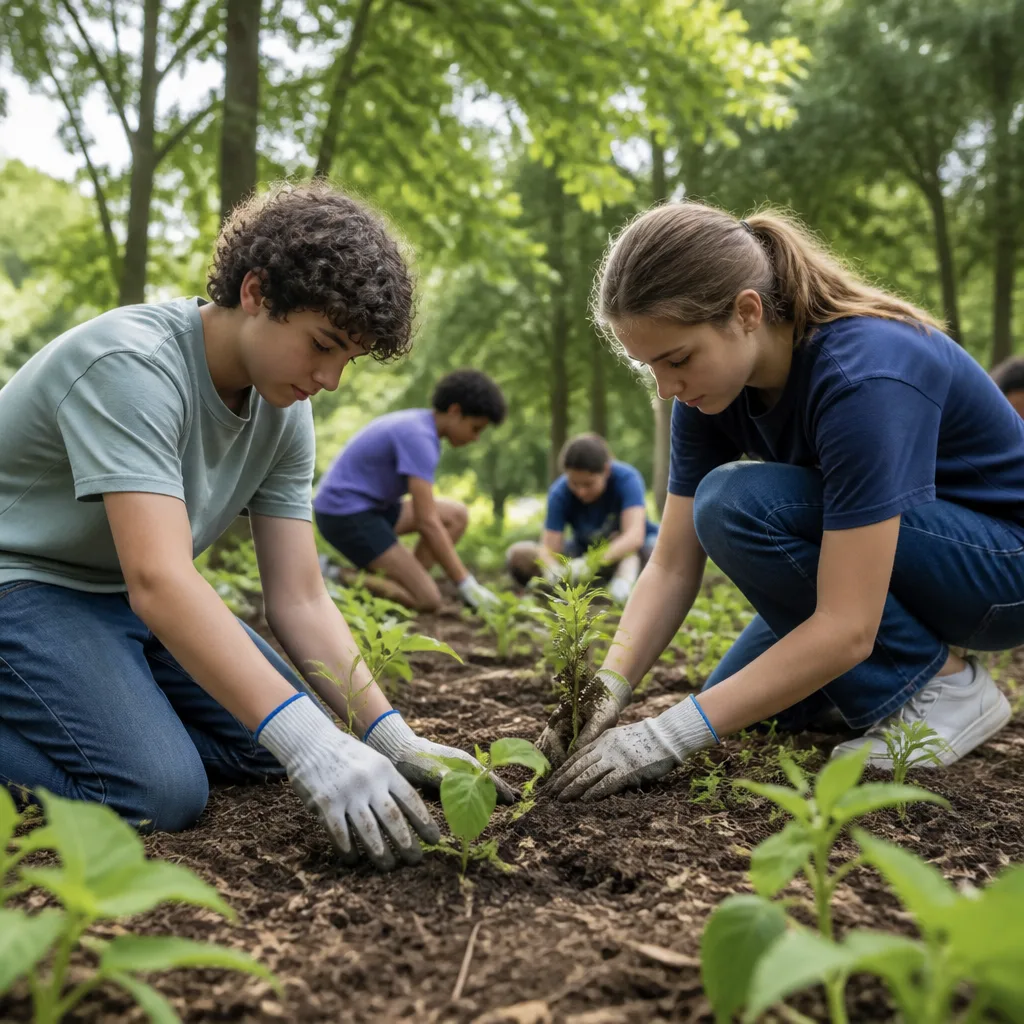
- participating in service projects that help others and build leadership confidence
- taking part in youth leadership events where they plan, lead, and reflect
At AMCC, these experiences reflect the belief that Islamic values—character, compassion, responsibility, faith, and good citizenship—should be practiced, not only taught.
For Muslim community leaders, youth programming is one of the most powerful ways to strengthen identity, protect well-being, and build future leadership. By combining Programs & Facilities that provide safety and structure, Youth Development that transforms Islamic values into daily character, and Outreach Programs that extend compassion and civic responsibility into the wider community, leaders can nurture youth into grounded, confident Muslims who serve with purpose. AMCC’s Youth Programs in Central Florida are designed to do exactly that—creating a welcoming, faith-centered environment where youth learn, lead, build relationships, and serve others.
FAQ (Quick Answers)
What types of activities are included in AMCC Youth Programs?
AMCC Youth Programs typically include youth classes and mentorship, weekend/youth activities, Islamic learning and discussion groups, volunteer/service opportunities, and youth leadership and events—structured around faith-centered character growth.
What does “Programs & Facilities” mean for youth development?
It refers to both the physical and program structure that supports youth safely—such as supervised learning spaces, organized activities, consistent programming, and youth-appropriate environments designed for learning and positive community connection.
How do Youth Programs support leadership and confidence?
Youth leadership grows through guided responsibility—youth help lead activities and events, participate in service with real roles, and receive mentorship that builds confidence and accountability.
How do Outreach Programs help youth and strengthen community bonds?
Outreach programs help youth practice Islamic compassion and responsibility in real settings. They also support stronger community relationships by involving youth in service and welcoming community engagement.
How can community leaders involve parents and families effectively?
Family involvement works best when it’s consistent and connected to the youth program goals—through family involvement opportunities, shared expectations, and community support that reinforces values at home.
How does AMCC encourage civic responsibility as part of Islamic values?
AMCC’s Youth Programs emphasize service, leadership, and good citizenship—helping youth learn that contributing positively to society is part of living Islamic values with integrity and compassion.
Are youth programs designed for different age groups?
Yes—programming is designed with age-appropriate structure in mind, including youth typically covering both middle school and high school needs.
Learn and Connect With AMCC
Explore how AMCC Youth Programs support youth development through mentorship, learning, and leadership, along with outreach-focused opportunities designed to strengthen community bonds and encourage civic responsibility.
Contact AMCC