

AMCC Youth Programs for Community Partners
AMCC (American Muslim Community Center) supports Muslim youth in Central Florida with faith-centered youth programming that strengthens character, leadership, and belonging. For local organizations, schools, and civic groups, our Youth (School-Based) Programs create opportunities to build respectful relationships, encourage good citizenship, and help young people grow grounded in their faith and confident in their community. Whether your organization is exploring a partnership for service projects, mentorship, or interfaith learning, this guide will help you understand how AMCC youth programs work—and how Community Partners can collaborate in meaningful, youth-centered ways.
Explore Youth Programs
Why Interfaith and Civic Community Partners Matter
Local schools and community organizations play an essential role in youth flourishing. When interfaith and civic partners engage with Muslim youth in consistent, respectful ways, young people benefit from:
- Expanded support networks (mentors, educators, volunteers, peer groups)
- Stronger civic identity (understanding community responsibility and service)
- Healthy, respectful relationships across faiths and cultures
- Real-world leadership practice through projects and events
AMCC’s approach is built on positive youth engagement: listening to young people, honoring their faith, and creating opportunities to contribute to the wider community.
What Are AMCC “Youth (School-Based) Programs”?
Youth (School-Based) Programs are structured youth engagement opportunities designed to connect with school environments and routines. They typically support middle school and high school youth with age-appropriate learning, mentorship, leadership development, and community service.
While some programming takes place through AMCC-based sessions and activities, the school-based concept focuses on outcomes that align with what schools and youth leaders value, such as:
- Building character and responsibility
- Developing leadership skills youth can use at school and beyond
- Creating safe, supervised spaces
- Encouraging community service and constructive civic participation
- Strengthening family and community bonds
Program Components Community Partners Can Support
Community Partners often ask what AMCC Youth (School-Based) Programs include and where they can plug in. Below are common components that support partnership-friendly collaboration.
1) Mentorship and Positive Role Modeling
Youth benefit from consistent adult mentorship and safe peer leadership. Community partners may support by providing:
- Volunteer mentors or guest speakers
- Leadership training workshops
- Skills support (study habits, career exploration, public speaking)
2) Service Projects and Civic Engagement
Youth programming includes structured service opportunities. Partners can help by supporting:
- Food drives, community cleanups, and donation drives
- Senior support and neighborhood assistance projects
- School-adjacent service days connected to community needs
AMCC’s goal is to make service practical and meaningful—so youth learn responsibility, teamwork, and empathy.
3) Leadership Development
Youth learn how to lead by doing. Depending on age and program design, partners can collaborate through:
- Youth-led planning activities
- Team-based service leadership
- Interfaith relationship-building experiences
4) Family and Community Connection
Youth growth is strengthened when families and community supports work together. AMCC programs encourage family involvement so youth feel supported at home and school.
Partners can support this by aligning expectations, respecting family roles, and coordinating communication appropriately.
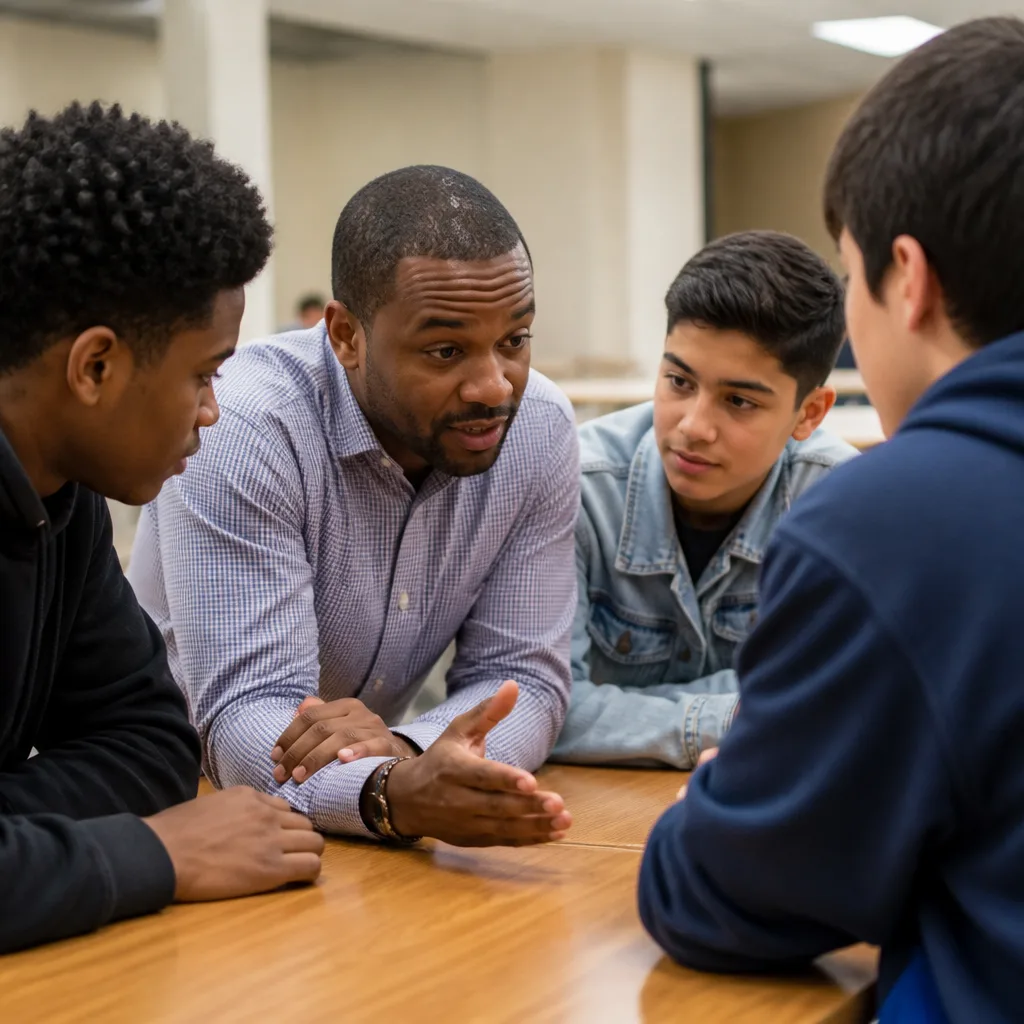
Building Respectful Relationships with Muslim Youth (Interfaith-Friendly Practices)
Interfaith and civic partners help create trust when engagement is respectful, consistent, and youth-centered. AMCC emphasizes partnership practices such as:
- Respect for faith identity (no stereotyping; no assumptions about beliefs)
- Inclusive collaboration (focus on shared values like kindness, responsibility, and service)
- Age-appropriate communication (clear expectations and youth-led participation)
- Cultural awareness (understanding youth needs around religious practice and comfort)
- Clear roles and supervision (youth safety and appropriate adult oversight)
When partners treat youth as individuals—with dignity and respect—relationships strengthen across faith lines.
Partnership Options for Schools and Community Organizations
Here are practical ways Community Partners can participate in AMCC Youth (School-Based) Programs. Choose the level that best fits your organization’s capacity and goals.
- Option A: Co-Host a Service Project — Work together to identify a community need, set youth participation goals, and provide adult support. AMCC can help ensure the activity fits youth development and program outcomes.
- Option B: Provide Mentorship or Skill Sessions — Invite youth to a workshop or mentorship activity based on your organization’s strengths (career readiness, communication skills, tutoring support, sports or arts mentoring, etc.).
- Option C: Participate in Youth Leadership Events — Support youth leadership by attending events where young people present projects, service outcomes, or community contributions.
- Option D: Resource Sharing and Referrals — If your organization supports youth needs (academics, counseling resources, enrichment opportunities), you can coordinate referrals and resource sharing with AMCC.
AMCC Youth Programs are designed to keep collaboration structured, safe, and aligned with youth well-being.
“Youth in Action”: How Islamic Values Become Everyday Service
AMCC youth programs emphasize “youth in action”—helping youth live out Islamic principles like compassion, trustworthiness, responsibility, and respect through real experiences.
Youth participants often engage in activities such as:
- Islamic learning and discussion groups (age-appropriate learning and conversation)
- Character-building sessions focused on habits of integrity and kindness
- Mentorship and peer support that builds confidence and belonging
- Youth leadership and events where young people plan and contribute
- Volunteer and service opportunities that connect faith to civic good
- Weekend/youth activities that strengthen friendships and community
These experiences help youth grow spiritually and personally—while also strengthening how they relate to others and serve the public good.
Journal List: Research Themes Partners Can Use
AMCC’s approach reflects widely discussed themes in positive youth development and community engagement research. Here’s a helpful Journal List (Research Themes) section you can use when exploring evidence-based partnership ideas:
- Positive Youth Development (PYD): growth through supportive relationships, meaningful activities, and skill-building
- Mentoring outcomes: how consistent adult guidance influences confidence and decision-making
- Civic engagement and service learning: how structured service supports responsibility and belonging
- Intergroup contact and respect: how respectful interactions strengthen understanding and reduce bias
- Youth belonging and identity: how safe, affirming environments support well-being
If you’re building a program proposal, these themes can guide what to look for in peer-reviewed research and planning documents.
What a Partnership Usually Looks Like (A Simple Workflow)
Most successful collaborations follow a straightforward structure:
- Intro and goals alignment — Agree on what the partnership aims to do (service, mentorship, learning, interfaith connection).
- Program design and scheduling — Coordinate dates and youth availability, including age-appropriate planning.
- Youth safety and supervision planning — Confirm adult roles, supervision expectations, and appropriate boundaries.
- Youth participation and reflection — Include time for youth to learn, contribute, and reflect on what they accomplished.
- Feedback and next steps — Share what worked and what to improve for future Youth (School-Based) Programs.
Implementation Checklist for Community Partners
Use this checklist to ensure engagement is respectful and effective:
- [ ] Clear agreement on youth goals (service, leadership, mentorship, learning)
- [ ] Alignment with age-appropriate expectations
- [ ] Supervision and safety plan for all youth interactions
- [ ] Communication guidelines that respect families and program boundaries
- [ ] Commitment to respectful, interfaith-friendly participation
- [ ] A way to measure success (youth reflections, outcomes, feedback)
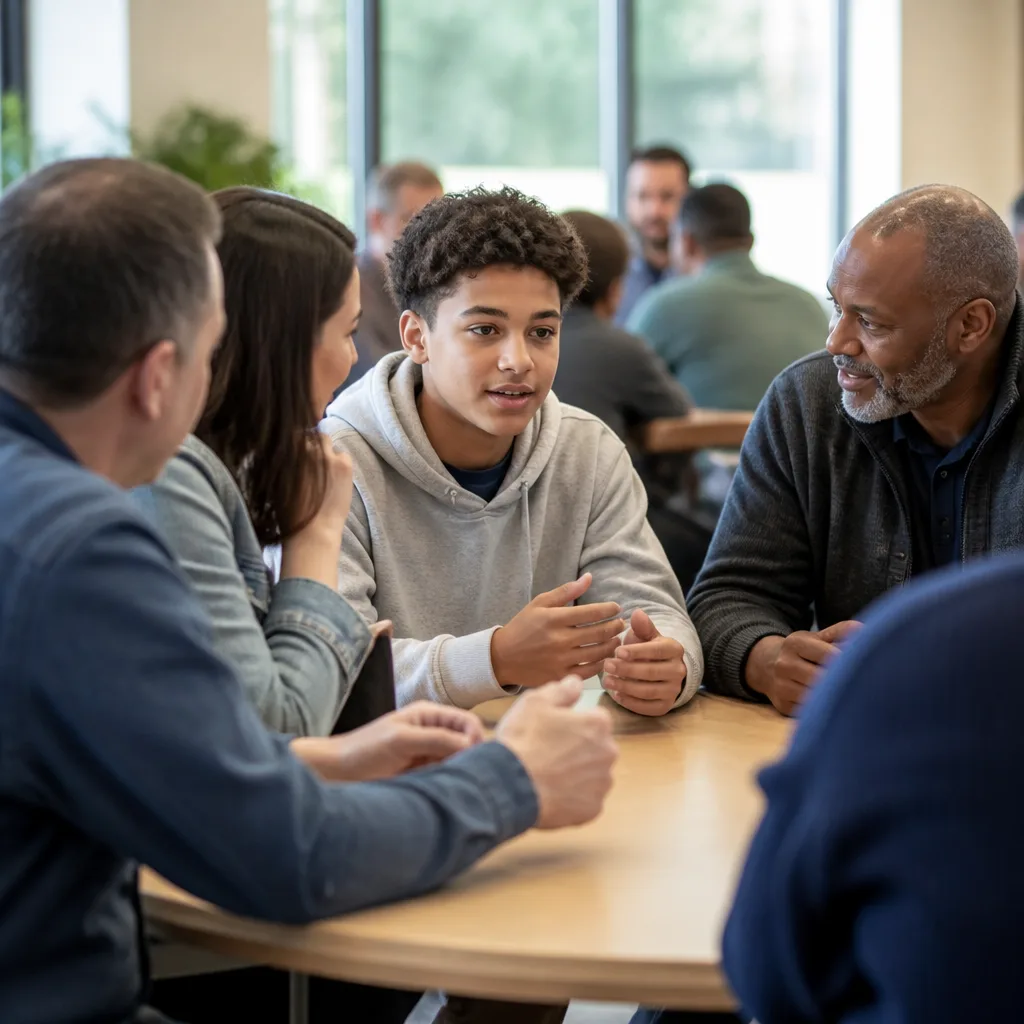
FAQ (Quick Answers)
1) How can Community Partners support AMCC Youth (School-Based) Programs?
You can support through service projects, mentorship, skill workshops, youth leadership events, resource sharing, and coordinated learning or enrichment activities.
2) Are AMCC youth programs designed for interfaith-friendly collaboration?
Yes. AMCC’s partnership approach focuses on respect, shared civic values, and positive youth engagement that honors Muslim youth identity while building respectful relationships with others.
3) What types of service projects do youth participate in?
Youth typically participate in community-focused projects such as neighborhood support, service days, donation initiatives, and other structured volunteer activities connected to real community needs.
4) How does AMCC handle communication and expectations with partner organizations?
AMCC coordinates scheduling, youth supervision roles, and youth participation expectations to ensure activities remain safe, appropriate, and aligned with youth development goals.
5) Can schools collaborate on program alignment or after-school engagement?
Many partnership models are designed to align with youth schedules and school routines. AMCC can coordinate youth availability, program timing, and participation format based on your school or organization’s needs.
Create Opportunities for Youth to Learn, Lead, and Serve
For Interfaith and Civic Community Partners, AMCC helps create opportunities where youth can learn, lead, and serve—while building respectful relationships across faiths and cultures. If you’re a school, local organization, or civic partner interested in Youth (School-Based) Programs, explore AMCC Youth Programs and connect with the AMCC Youth Programs team to learn how to collaborate on meaningful service, mentorship, and leadership opportunities.
Get Started