

Islamic Adab at Home: Talk Toolkits & Safety
Raising confident Muslim children isn’t only about what they learn—it’s also about how they speak, behave, and respond in real life. For homeschooling families, that means building daily Adab / manners, practicing conversations with clear Talk Toolkits, and creating age-appropriate expectations under Policy & Safety so children feel secure—religiously and socially. AMCC’s Home School program supports parents in Central Florida with structured Islamic learning and character development.
Explore AMCC Home School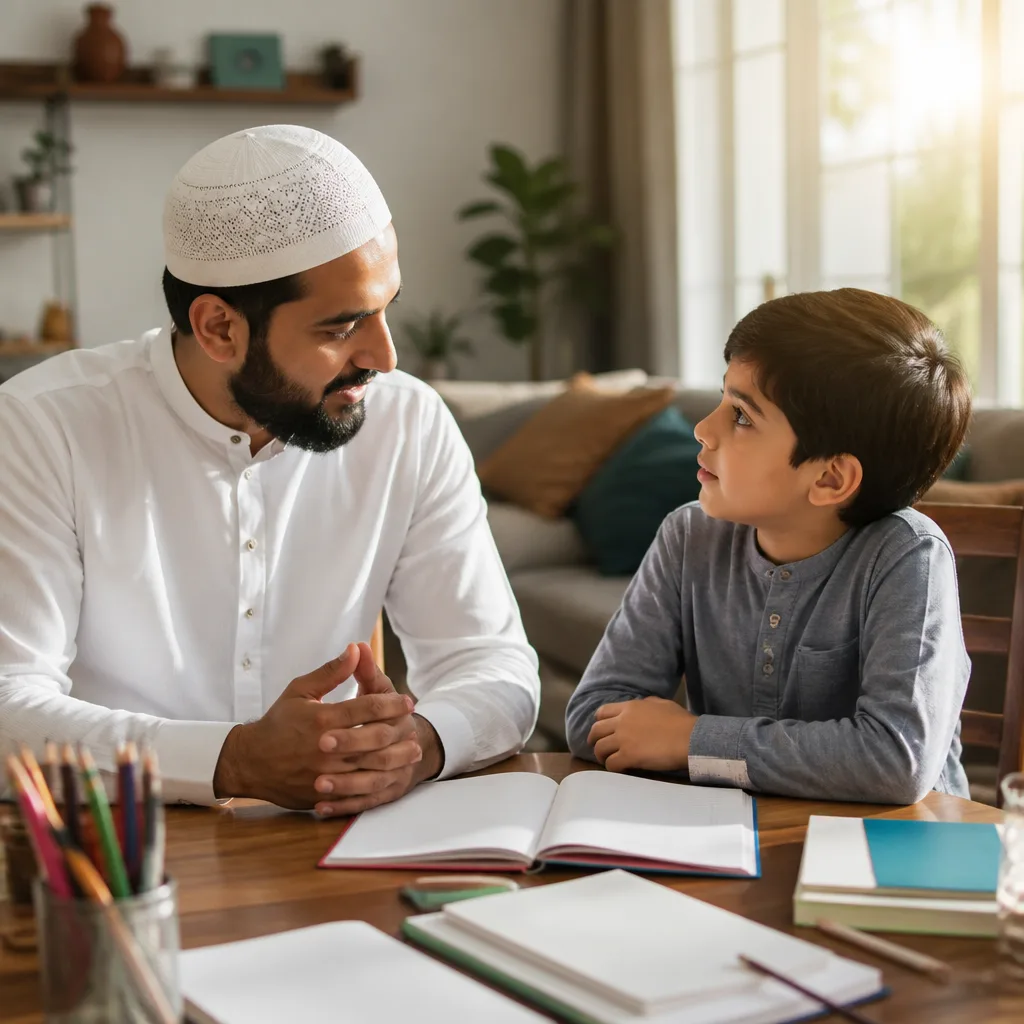
Daily adab, steady speech, and safe boundaries
When children see Islam guiding their everyday words and choices, they feel less confusion and more confidence. This page brings together practical Adab / manners, clear Talk Toolkits for real conversations, and age-appropriate Policy & Safety expectations—so children can grow with faith, dignity, and good citizenship at home and beyond.
Why Adab / manners builds confidence in Muslim kids
When children understand how Islam guides their behavior, they stop guessing and start feeling sure. Adab strengthens confidence in three ways:
- It turns faith into habits. Kids experience Islam as something practical: how we greet, learn, speak, apologize, and care for others.
- It supports self-control. Islam trains the heart and the tongue—so children can regulate emotions during hard moments.
- It shapes good citizenship. Manners rooted in Islam naturally include respect, honesty, responsibility, and kindness toward others.
In other words: practicing Islam daily builds the “I belong” feeling that confident Muslim children carry with them.
Adab / manners routines you can practice at home (and homeschool)
You don’t need complicated lessons to build Islamic manners. You need repetition with love. Try weaving these routines into your homeschool day:
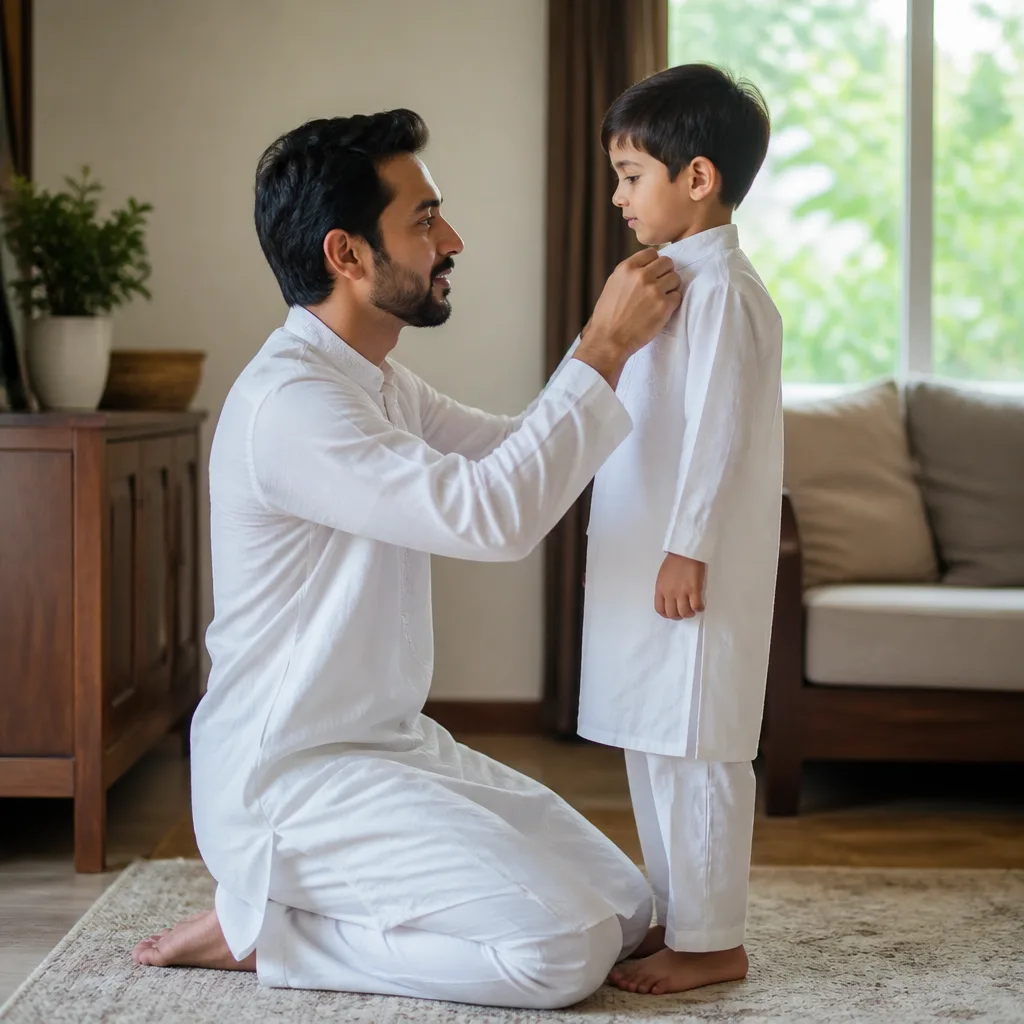
1) Morning adab (start the day with intention)
- Salam & respect: remind children of gentle greetings and calm voices.
- Dua for the day: keep it age-appropriate and consistent.
- Check-in: “What’s one good choice I want to make today?”
2) Learning adab (turn homeschool into worship)
- Sit, breathe, and make space for adab with knowledge (listening, not interrupting).
- Model “asking nicely”: “Can I share my idea?” / “May I try again?”
- End with gratitude: “Thank you, Allah, for helping us learn.”
3) Tongue adab (speech that matches iman)
- Speak truthfully.
- Use respectful words even when upset.
- Replace “always/never” statements with specific facts.
- Give others the chance to respond.
A simple rule to repeat: “We speak in a way that Islam allows, even when we feel big emotions.”
4) Apology adab (repair relationships quickly)
- “I’m sorry for my words/actions.”
- “I will try again.”
- “How can I make it right?”
This is especially important for homeschooling families, where siblings and frustration can build quickly.
5) Gratitude & service adab (confidence through helpfulness)
- Helping with a small task.
- Thanking people (parents, teachers, neighbors, delivery workers).
- Kindness that is visible: setting the table, caring for belongings, helping siblings.
Talk Toolkits: conversation scripts for real-life moments
Kids will face questions, peer pressure, and “big feelings” whether they’re in a homeschool pod or interacting in the community. Talk Toolkits help parents respond consistently—without getting stuck in emotional reactions.
Toolkit A: “I don’t want to pray / do Islamic things”
- Validate: “I see you’re finding it hard.”
- Reframe: “We pray because Allah is our Creator and He loves us.”
- Make it manageable: “Let’s do it one step at a time.”
- Encourage agency: “Would you like to read together or do one section?”
Toolkit B: “Why do we do this? Is Islam different?”
- “Islam teaches us… (one simple point).”
- “We love Allah, and we try to be kind people.”
- “It’s okay to be curious—let’s learn together.”
Then connect to confidence: “When you know the why, your heart feels steadier.”
Toolkit C: “Someone said something rude”
- “We don’t respond with anger.”
- “I will say, ‘That’s not respectful. Please speak kindly.’”
- “If it keeps happening, I will tell an adult.”
Toolkit D: “I messed up”
- “Thank you for telling me.”
- “Let’s make wudu / do dua for help.”
- “What’s one step you can take next time?”
Toolkit E: “People don’t understand our faith”
- “Islam is my faith, and I respect others too.”
- “I don’t have to agree with everything, but I will stay respectful.”
- “If you want, we can share what we believe.”
Policy & Safety: clear expectations that protect kids and preserve dignity
Faithful parenting includes safety and structure. Policy & Safety means setting clear boundaries kids can understand—and consistently follow—especially in homeschooling where parents may also manage schedules and screen access.
1) Home “good citizenship” expectations
- Respect others’ space and property.
- Keep promises (even small ones).
- Speak kindly when disagreeing.
Tie it to Islam: “These rules help us be people Allah loves.”
2) Screen, social, and online boundaries
- Age-appropriate limits.
- Supervised access when needed.
- Privacy reminders (don’t share personal details).
- Respectful communication online, just like in person.
If conflict happens online: pause, don’t escalate; talk privately; report or block if required; restore manners: “We respond with Islam, not revenge.”
3) Modesty and self-respect (age-appropriate)
- Clothing and grooming guidance according to your family’s approach and your children’s age.
- Teaching children that modesty is confidence and self-respect.
- Explaining expectations without embarrassment.
4) “When to tell an adult” safety rule
- If something feels wrong, confusing, or unsafe—tell a parent right away.
- If someone pressures them to hide something—that’s a safety issue.
5) Community safety & respectful interactions
- Practice greetings (salams, respectful speaking).
- Walk safely in shared spaces.
- Follow adult directions immediately.
- Ask questions appropriately.
These policies help children feel secure and respected.

How AMCC Home School supports Adab, Talk Toolkits, and Policy & Safety
AMCC’s Home School program is built to support parents while helping children grow into confident, practicing Muslims. Families receive structured Islamic learning and character development, including themes like:
- Qur’an basics and Islamic studies.
- Seerah and age-appropriate learning that strengthens the heart and behavior.
- Age-appropriate fiqh that teaches “what to do” in real contexts.
- Guidance that supports consistent teaching at home—without isolating parents.
AMCC also encourages community connection—so children aren’t only practicing Islam “alone at home,” and parents aren’t only teaching “without backup.”
Make it easier: a simple weekly rhythm for confident Muslim kids
- Daily (5–10 minutes): one adab focus + one du‘a + one practice moment
- Study day: reinforce manners during learning (listening, respect, asking well)
- One conversation per week (Talk Toolkit): role-play a script for a real situation
- Policy check-in (2–3 minutes): “What’s our rule? What helps us follow it?”
- Seerah connection: choose one story moment that matches your current manners goal
Consistency builds confidence.
FAQ (Quick Answers)
1) What if my child refuses adab routines?
Start smaller. Pick one routine to practice consistently for a week (like greetings or apology adab). Use calm encouragement and connect the behavior to faith: “Allah loves when we try.”
2) How do Talk Toolkits help without turning into rehearsed scripts?
Use the toolkit as a framework, not a script word-for-word. The goal is consistent guidance: validate, remind of Islam, choose the next step, make it manageable.
3) What Talk Toolkits should we use for bullying or teasing?
Teach three steps: respond respectfully, disengage if needed, and tell an adult. Always pair it with a manners reminder and a safety boundary.
4) How can we create Policy & Safety for kids without making them fearful?
Use clear, positive expectations: “This keeps you safe and helps you be a respectful Muslim.” Explain the “why” and keep consequences consistent.
5) Can we build good citizenship at home while keeping strong Islamic identity?
Yes. Good citizenship flows from Islamic adab: honesty, kindness, respect, responsibility, and peaceful boundaries—especially when interacting with people of other faiths.
6) How does seerah and fiqh support manners and behavior?
Seerah gives kids role models and emotional connection. Fiqh teaches practical actions—so manners aren’t only “nice ideas,” they become learnable behaviors.
Next steps with AMCC Home School
If you want homeschooling to feel supportive—spiritually structured for your child and realistically manageable for you—explore AMCC’s Home School program.
Explore AMCC’s Home School program