

Brotherhood in Islam, Tolerance & Human Rights
Brotherhood is one of the most defining ideas in Islam—showing up as respect, care, and responsibility toward others. This guide explores Islamic brotherhood through Tolerance in Islam and Human Rights, and introduces how the Brothers Programs at AMCC help men build character, learn, and serve in a welcoming community.
Start a conversation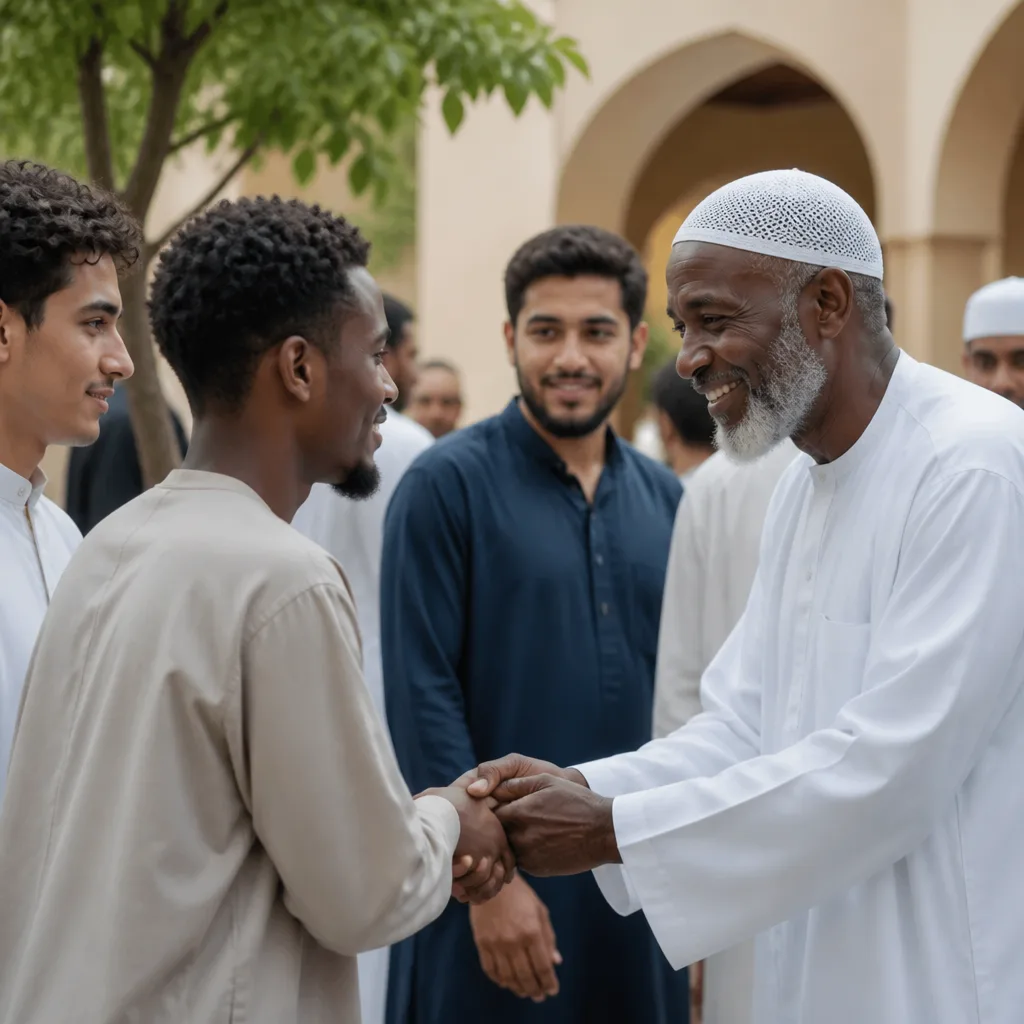
In Islam, brotherhood is more than a feeling—it’s a relationship expressed through respect, care, and responsibility toward others. When these values are lived with Tolerance in Islam and grounded in Human Rights, community becomes a place where dignity, justice, and safety are protected.
For men who are curious about Islam, this perspective can also show what Muslim community life looks like—how people support one another, treat neighbors of different backgrounds, and connect faith to human dignity.
What “Brotherhood” Means in Islam (Beyond a Slogan)
In Islam, brotherhood is not only a feeling—it’s a relationship with duties.
Islam teaches that believers are bound together by faith, moral responsibility, and shared worship. That means:
- Loyalty with accountability: caring for one another while encouraging good character
- Mutual support: helping brothers in times of need, not only in comfortable seasons
- Mercy and forgiveness: treating people with compassion and patience
- Steadfastness in worship and learning: growing together through Qur’an, Sunnah, and community
A helpful note on what you may see online: You might come across the phrase “Muslim Brotherhood” in search results. That can refer to a specific historical/political organization in some contexts. In this pillar page, we are focusing on Islamic “brotherhood” as a spiritual and ethical concept—what Muslims mean when they talk about brotherhood in faith, community, and character.
Tolerance in Islam: Respect for Others as a Faith Value
Tolerance in Islam is not “agreeing with everything.” It’s treating people with dignity while staying committed to moral principles.
In Islamic teachings, tolerance shows up in real-world behavior, such as:
- Guarding your speech (no insults, no demeaning stereotypes)
- Honoring human dignity regardless of background
- Choosing justice even when emotions run high
- Being patient and fair in disagreements
- Keeping relationships clean—no oppression, no harm, no exploitation
For a non-Muslim visitor, that often means feeling safe to ask questions, listen, and observe without pressure.

Human Rights in Islam: Dignity, Justice, and Safety
A core theme in Islamic ethics is that every person has dignity and rights that must be protected.
Human Rights in Islam are connected to principles like:
- Sanctity of life (no needless harm)
- Justice (dealing fairly, not choosing bias)
- Protection of property (no theft, fraud, or exploitation)
- Respect for family and honor
- Accountability for wrongdoing (personal responsibility, not scapegoating)
Islamic brotherhood strengthens these values because a community that truly supports one another also protects the vulnerable, refuses cruelty, and encourages moral responsibility.
How Islamic Brotherhood Works in Everyday Life
1) Worship that builds unity
Congregational prayer, reminders, and study circles help people stay connected and grounded—so brotherhood isn’t just social; it’s spiritual.
2) Learning as a shared journey
Islamic brotherhood includes learning Qur’an and practical knowledge (character, fiqh, seerah), so brothers can live their faith with understanding—not confusion.
3) Character formation
Brotherhood is measured by manners: honesty, reliability, emotional discipline, and respect.
4) Service and responsibility
Caring for others is part of faith. That includes helping families, supporting community needs, and volunteering.
Real-Life Brotherhood at AMCC: What Brothers Programs Build
The Brothers Programs at AMCC are designed to build committed, knowledgeable brothers—grounded in Qur’an and Sunnah—who strengthen families, serve the community, and represent Islam with excellence.
Here’s how brotherhood becomes structured support:
Prayer & Spiritual Support
Encouragement to attend congregational prayers, receive religious reminders, and join study circles—so faith stays active, not abstract.
Islamic Education (Halaqahs/Classes)
Classes and halaqahs focused on:
- Qur’an and seerah
- fiqh (practical understanding)
- character development
- daily-life guidance for living Islam with wisdom
Mentorship & Youth Support
Guidance for young brothers and pathways for leadership and service—so growth becomes meaningful and sustainable.
Community Building
Halaqahs, social gatherings, and community events that strengthen brotherhood and belonging.
Service & Welfare
Volunteer opportunities and support initiatives, including helping families and community outreach.
New or Returning Muslim Support (Buddy-style support)
Resources and guidance for brothers learning Islam or rebuilding their practice—so no one feels alone.
Dawah & Interfaith Relations (as appropriate)
Community engagement opportunities that reflect Islamic values of respect and good citizenship.
If You’re a Non-Muslim Man Curious About Islam: What to Expect
If you’re exploring Islam and wondering how this community approach feels in real life, AMCC aims for a welcoming environment—especially for questions.
When you visit or engage, you can typically expect:
- A respectful space to learn and observe
- Opportunity to ask questions and meet Muslims
- Community conversations grounded in good character and manners
- Emphasis on living Islam as service, responsibility, and respect
If you’re interested in meeting brothers through the program structure, the best next step is simply to start a conversation.
Conclusion: Brotherhood That Builds, Serves, and Respects
Islamic brotherhood is meant to produce real outcomes: faith-based unity, disciplined character, and compassionate service. When viewed through Tolerance in Islam and Human Rights, brotherhood becomes a practical expression of dignity, justice, and responsibility.
If you’d like to learn more about Islam in a structured, supportive, and welcoming environment—especially through community programs for brothers—start by reaching out.

FAQ (Quick Answers)
Can I understand Islam even if I’m not Muslim yet?
Yes. Islamic brotherhood is first about learning how people practice their faith responsibly and compassionately. AMCC is designed to be welcoming, with educational support and a respectful environment to ask questions.
Is Islam tolerant, especially toward people of other faiths?
Islam emphasizes dignity, justice, patience, and respectful conduct. Tolerance in Islam means treating people with humanity while staying committed to truth and moral integrity.
Does Islam connect to Human Rights?
Yes. Islamic teachings strongly emphasize justice, protecting life, and preventing oppression. Those values help shape how Muslims understand responsibility to others.
What kind of programs are included in “Brothers Programs” at AMCC?
The Brothers Programs include prayer support, Qur’an and Islamic education, mentorship and youth support, community building, service and welfare initiatives, support for new/returning Muslims, and—when appropriate—respectful engagement for interfaith understanding.
How do I reach AMCC to ask questions or plan a visit?
You can Contact us to ask about visiting, learning more, or finding a good way to connect with the community.
Call to Action
Contact us at American Muslim Community Center (AMCC) to learn about the Brothers Programs, ask questions, and explore a comfortable way to visit and meet the community.
Contact us