

Brothers Halaqahs & Study Circles at AMCC
If you’re a brother looking for regular gatherings to learn, ask questions, reflect on Islamic teachings, and strengthen bonds with other men, AMCC’s Brothers Programs are built for you. We focus on practical, identity-forming education—grounded in Qur’an and Sunnah—so brothers leave meetings more connected to Allah, more confident in their character, and more ready to serve.
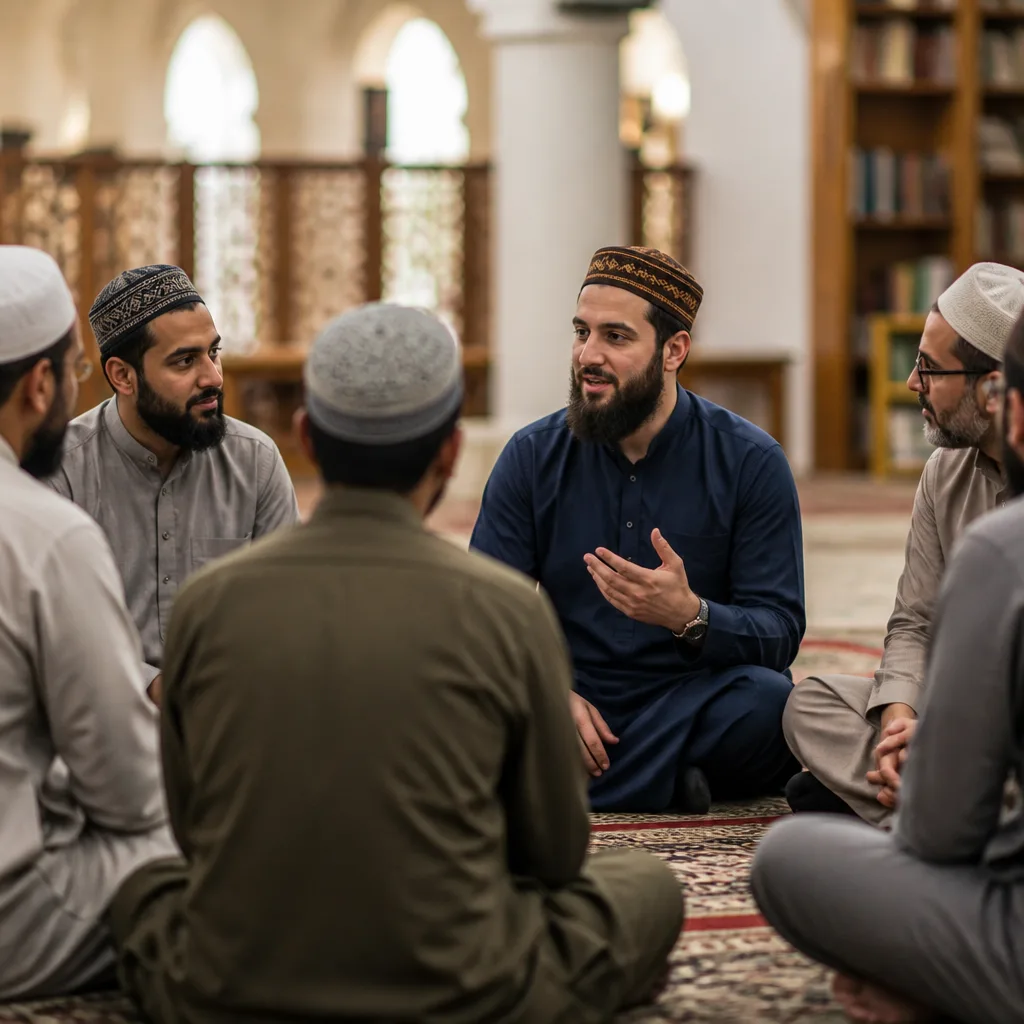
A consistent place to grow
Whether you’re new to halaqahs, returning to your practice, or supporting youth leadership, AMCC’s Brothers Programs help brothers build a steady rhythm of learning, reflection, and brotherhood.
What are the Brothers Programs at AMCC?
AMCC’s Brothers Programs provide structured support and faith-based community through:
- Prayer & spiritual support that encourages congregational participation and timely reminders
- Islamic education through halaqahs/classes on Qur’an, fiqh, seerah, and character development
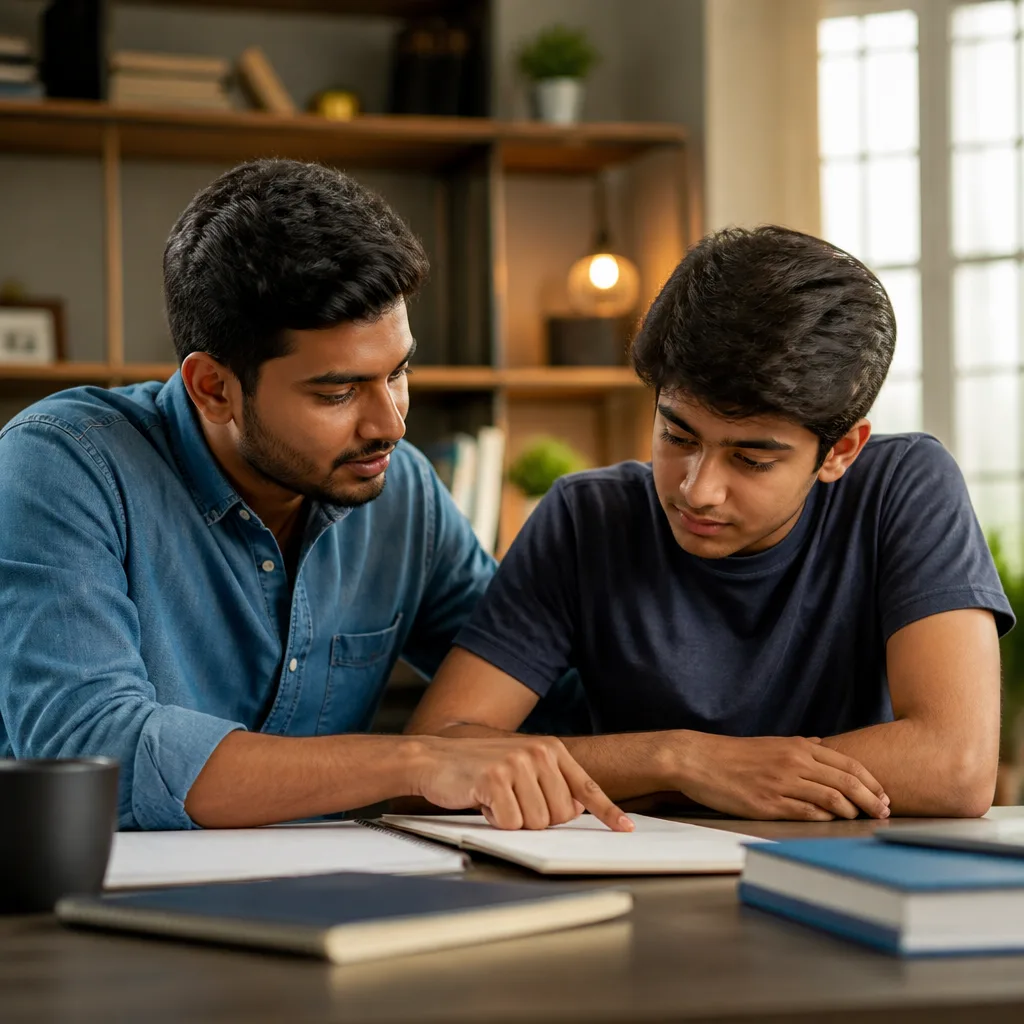
- Mentorship & youth support with guidance, leadership pathways, and role models
- Community building through halaqahs, brotherhood-focused gatherings, and community events
Why brothers come to halaqahs and study circles
A strong halaqah does more than “deliver information.” It creates a rhythm of growth—spiritually, intellectually, and socially.
- Learn with clarity (from Qur’an and reliable Islamic knowledge)
- Ask questions and connect understanding to real life
- Reflect together and build consistent habits
- Build meaningful bonds—brotherhood based on faith, trust, and accountability
- Practice Islamic character that shows up in work, family, and daily decisions
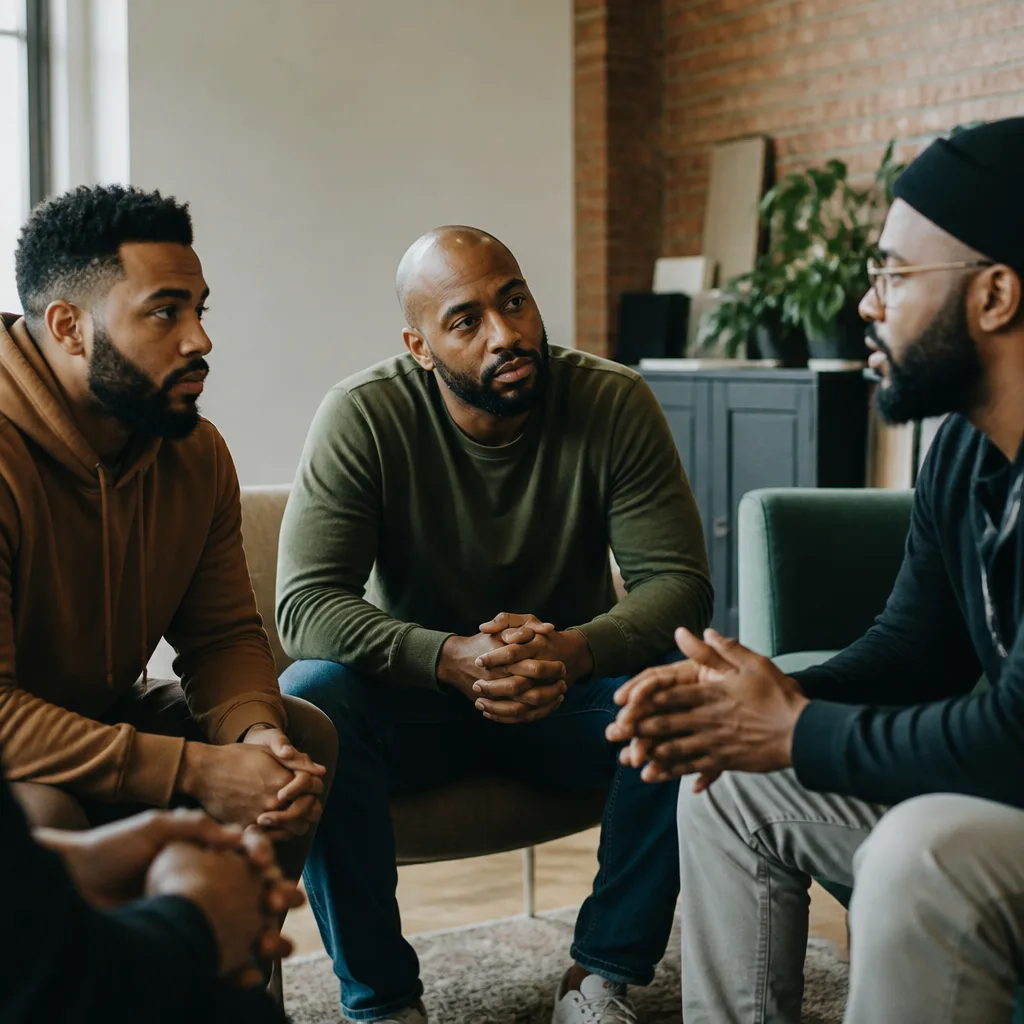
What you’ll experience in a Brothers halaqah
While each session may vary by topic and schedule, the goal stays the same: make learning practical and spiritually nourishing.
- Qur’an & Sunnah-based instruction
- Discussion time for questions and clarification
- Thoughtful reminders that help brothers apply guidance in everyday situations
- Reflection focused on character, sincerity, and responsibility
- Brotherhood building through respectful interaction and encouragement
Islamic education topics (Qur’an, fiqh, seerah, and character)
Our study circles are designed to meet brothers at different learning levels while keeping the focus on “real-life Islam.” Typical learning themes include:
- Qur’an guidance (recitation, meanings, reflection, and lessons)
- Fiqh essentials that help brothers navigate daily responsibilities
- Seerah and Prophetic examples that train hearts and minds
- Character development: honesty, trustworthiness, emotional control, patience, and manners
- Practical daily-life guidance—Islam that shapes decisions at work, in the home, and in relationships
Our Work: How AMCC builds committed brothers
At AMCC, our Our Work is more than programming—it’s building a community where brothers learn Islam deeply from Qur’an and Sunnah, apply guidance in everyday life, strengthen family life through better character, and represent Islam with excellence in the community.
Current events: Find the right study circle for you
If you’re looking for consistent gatherings, Current events matter. AMCC’s Brothers Programs are scheduled to help brothers plan ahead and stay connected to regular learning.
- Upcoming halaqahs and study circles
- Special reminders or brother-focused sessions
- Community events that support brotherhood and service
Service & welfare opportunities (khidmah in action)
Islam teaches that faith isn’t only internal—it’s lived. The Brothers Programs connect learning to service through volunteer and welfare initiatives such as:
- Supporting families with community needs
- Fundraising for assistance where appropriate
- Community outreach that reflects Islamic manners
- Helping strengthen the wider Central Florida community
Support for new and returning Muslim brothers
If you’re rebuilding your practice—or beginning your journey—AMCC is designed to be a welcoming place. Brothers can find:
- Practical learning next steps
- A supportive buddy approach (so you’re not learning alone)
- Resources and guidance that help you move from “trying” to “steadily practicing”
Dawah & interfaith relations (as appropriate)
As part of AMCC’s mission to promote good citizenship and positive relations, brothers may participate in engagement opportunities that reflect Islamic values, such as respectful community conversation and representation, learning events grounded in good character, and initiatives that build understanding with people of other faiths.
Growth milestones: beginner to confident learner
Many brothers want a clear path. Our Brothers Programs support growth milestones like:
1) Beginner foundation
- Learn the basics of Qur’an-based guidance and core fiqh concepts
- Build consistency through supportive community rhythms
2) Returning Muslim renewal
- Reconnect to worship, learning, and reflection
- Strengthen confidence through structured study and brotherhood
3) Youth and leadership pathways
- Develop learning discipline and character
- Step toward service and mentorship roles over time
4) Confident, responsible contributors
- Serve the community with integrity
- Become a support for others through khidmah and guidance
About Us: AMCC in Central Florida
The About Us story of AMCC is rooted in community and service. AMCC is an Islamic organization and masjid founded in 2012 in Longwood, Florida, serving Muslims across Central Florida through prayer services and Islamic education, Sunday School and youth programs, sisters programs and new Muslim support, dawah and community welfare, zakat assistance, nikah, funeral services, medical clinic services, and events that strengthen the community and welcome people interested in learning Islam.
Our mission is to build a vibrant, inclusive Muslim community that promotes Islamic teachings, service to humanity, good citizenship, and positive relations with people of other faiths.
FAQ (Quick Answers)
Who are the Brothers Programs for?
They’re for brothers who want regular halaqahs and study circles—adult men and youth as appropriate—focused on learning, questions, and brotherhood.
What topics are covered?
Topics may include Qur’an, fiqh, seerah, character development, and practical guidance for daily life.
Can I ask questions during a halaqah?
Yes. The halaqah format is meant to support understanding through discussion and respectful questions.
I’m new (or returning) to practicing. Will I feel welcome?
Yes. The program includes support for new and returning Muslim brothers, including guidance on next steps and community connection.
Are the gatherings only educational, or is there community building too?
Both. The Brothers Programs are designed to combine Islamic education with brotherhood, mentorship, and meaningful connections.
Do brothers get involved in service and welfare?
Yes. Brothers may participate in service opportunities and community support initiatives that connect faith with action.
Is there mentorship for younger brothers?
Yes, mentorship and youth support are part of the program, with pathways toward leadership and responsibility as appropriate.
Does AMCC offer dawah or interfaith engagement?
As appropriate, there may be respectful engagement opportunities focused on Islamic values, good citizenship, and positive relations.
Find your place with brothers who take Islam seriously
If you’re ready for consistent halaqahs and study circles grounded in Qur’an and Sunnah, explore AMCC’s Brothers Programs and connect with a brotherhood built for learning, discussion, spiritual reminders, mentorship, and khidmah.