

First Jummah for New Muslims (AMCC)
If you’re heading to Friday prayer for the first time, it’s normal to feel nervous. This guide offers calm, step-by-step help—so you know when to arrive, what to do, and how to participate comfortably, including wudu and what happens during khutbah.
At American Muslim Community Center (AMCC), our goal is simple: “Your first community into Islam—supported with guidance, learning, and belonging.”
Ready for Your First Jummah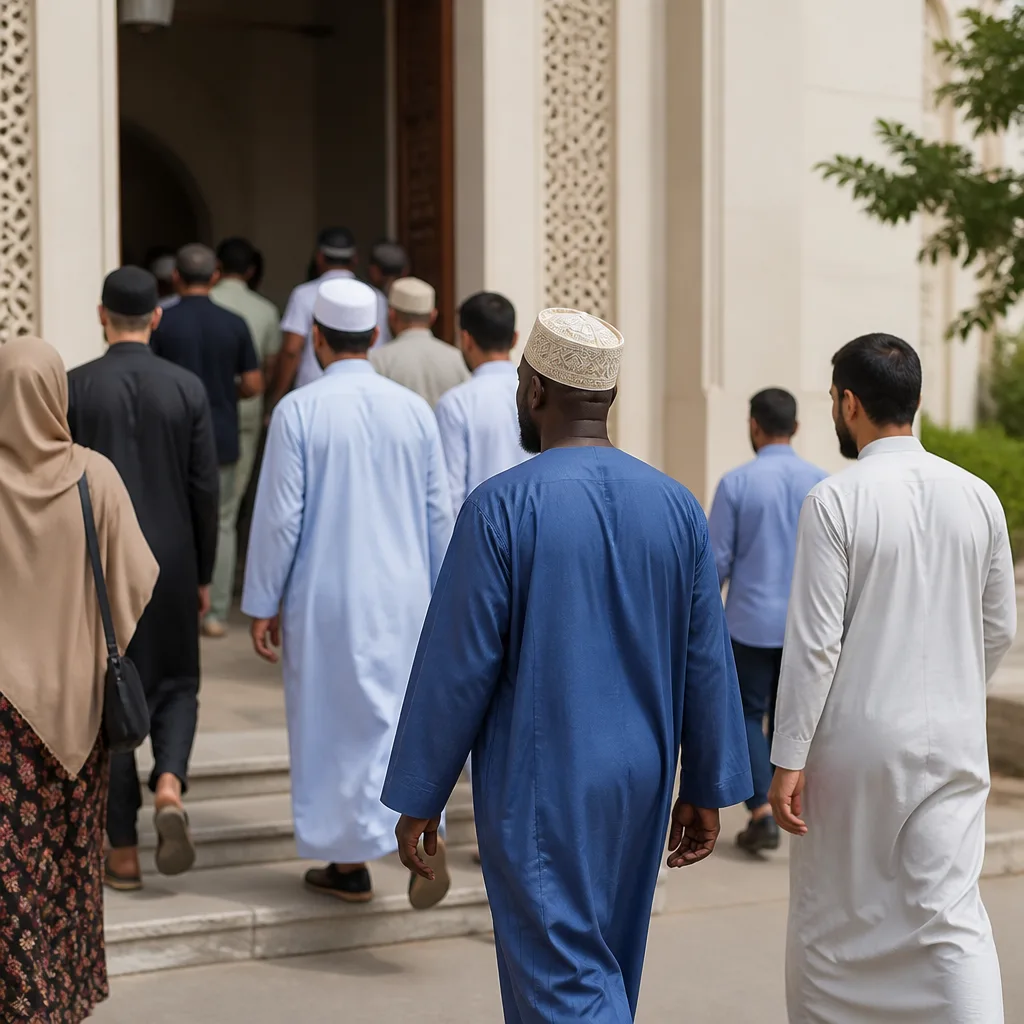
Quick Answer: What You Need to Do for Your First Jummah
Your “First Jummah Checklist”
- Arrive early (about 20–40 minutes before the start, if possible)
- Enter calmly, greet with salam if appropriate
- Do wudu (or ask for help if you’re unsure)
- Sit where you feel comfortable (many masjids have a sisters’ area too)
- Listen quietly during the khutbah
- Join the congregational prayer when the prayer begins—follow the imam’s movements
- After prayer, introduce yourself and ask for the “new Muslim buddy” or support contact
Before You Come: Timing & What to Expect
When should I arrive?
For a smooth first experience: Best time: 20–40 minutes early. If you arrive later, don’t worry—just follow what you can and join the prayer with the congregation.
What should I bring?
- A scarf (if you wear one) or something modest you’re comfortable with
- Wudu-friendly clothing (comfortable sleeves/pants are helpful)
- If you like: a small notebook for khutbah notes and questions
- If you have it: a friend or family member (you’re welcome to bring them)
Masjid Etiquette for First-Time Visitors (Do This, Not That)
Do:
- Walk in respectfully
- Keep your voice low (especially before prayer and during khutbah)
- Silence notifications and avoid loud calls/messages
- If you need help, look for a staff member/volunteer and ask kindly
Avoid:
- Talking during khutbah
- Taking lots of photos/videos inside the prayer area (follow masjid guidance)
- Rushing or pushing to find the “perfect” spot—being calm is part of the experience
Shoes & entrances: Many masjids have a designated area for shoes. If you’re not sure, watch others calmly—or ask: “Where should I put my shoes?”
Wudu Basics (Step-by-Step)
If you’re wondering كيف أصلي؟—start here. Proper wudu is one of the first steps that makes salat feel possible.
Note: Details can vary slightly by madhhab. At AMCC, we can guide you gently. If you’re unsure, ask a volunteer before the prayer begins.
Simple Wudu Steps (Common Order)
- Intention (niyyah): In your heart, intend to do wudu for prayer.
- Wash hands (to the wrists).
- Rinse your mouth (a small amount of water).
- Sniff water into your nose and gently clear it.
- Wash your face (from where hairline begins to chin, ear-to-ear area).
- Wash your arms from the elbows down to the hands.
- Wipe your head (a wet wipe over the head area).
- Wipe your ears (inside and outside with wet fingers).
- Wash your feet up to the ankles (both feet thoroughly).
Comfort tip for first-timers: Take your time. If you make a mistake, don’t panic—focus on doing it correctly going forward. If you feel watched in a stressful way, ask someone discreetly: “Can you show me once?”

What Happens During Jummah? (Khutbah Explained)
1) Congregation gathers
People settle into rows. The imam is preparing to deliver the khutbah.
2) Khutbah begins
- You’ll hear the khutbah after the call to prayer.
- Your job: listen quietly and respectfully.
- You may reflect, take notes, or think about your questions.
3) The prayer begins
After the khutbah ends, the congregational prayer starts.
How to Participate During Salat (Even If You’re New)
If your mind is asking “How do I pray?” (كيف أصلي؟), you can still participate in a way that’s safe, respectful, and helpful.
When prayer starts, do this:
- Stand up with the congregation when they stand.
- Follow movements: bowing and prostration in the same rhythm as others.
- If you don’t know what to say yet, you can focus on learning positions first.
- When comfortable, gradually add the short remembrance/phrases you’re taught.
If you don’t know the surahs yet
Many new Muslims start by learning the essential phrases slowly, following the imam’s movement, and asking for help afterward.
At AMCC, you don’t have to “pretend you know.” We want you to learn step-by-step.
A First Jummah “Cheat Sheet” (For Confidence)
- Before prayer: sit quietly, keep calm, and do wudu
- During khutbah: no chatting—listen
- During prayer: follow the congregation’s standing/bowing/prostration
- After prayer: ask your question, meet the support contact, and plan what you’ll learn next
Stories & Warm Moments (You’re Not the Only One)
Many new Muslims remember their first Jummah as a turning point—especially when they felt safe, seen, and gently guided.
At AMCC, we aim for welcoming warmth: a calm introduction, a volunteer contact, and a supportive next step.
How to Use This Guide (Conditions of Use)
This page is for general educational guidance for first-time New Muslims attending Jummah, including prayer and wudu basics. It is not a replacement for personalized instruction.
AMCC encourages you to ask a qualified volunteer or imam for confirmation of details and to follow the specific guidance of the masjid.
By using this guide, you agree that instructions may vary slightly across schools of thought, you should seek local clarification for your situation, and you should prioritize safety, respect, and community guidance.
Meet Your New Muslim Support at AMCC
A “new Muslim buddy” or contact person can make a huge difference—especially on your first Jummah.
What AMCC can support you with
- Personal guidance (questions answered with compassion)
- One-on-one or small-group learning: prayer basics, Quran basics, etiquette
- A structured onboarding path: what to learn first, where to go, who to ask
- Prayer support: wudu help and how to join salat comfortably
- Community connection: introductions to volunteers, sisters/youth/community activities
- Confidence building: clear answers for common doubts
If you want, you can arrive and simply say: “I’m new—can someone help me find support for first-time Jummah?”
New Muslim 101 (What You’ll Learn Next)
Your first Jummah is just the beginning. Our onboarding focuses on real-life steps you can use right away.
Common “New Muslim 101” topics
- How to start praying (step-by-step)
- Wudu basics (and how to stay consistent)
- Quran reading basics (beginner-friendly)
- Everyday Islamic etiquette
- Dua for new Muslims
- What to expect at the masjid each week
Learn at your pace. Some people want basics first. Others want Quran and beliefs sooner. Either way, you’ll be supported with a clear, caring pathway.
Support for Family & Next Steps
Islam can be life-changing for you—and for your family too. If you need help with next steps: we can share beginner resources for learning at home, and connect you to community support where appropriate.
If you feel emotional stress, confusion, or personal concerns, you can ask for guidance, and we can help point you to appropriate support resources.
Zakat & Welfare Resources (If Applicable)
If you’re new and have questions about community support, including welfare or guidance related to zakat and needs: ask the AMCC team—we’ll connect you to the appropriate community resources.
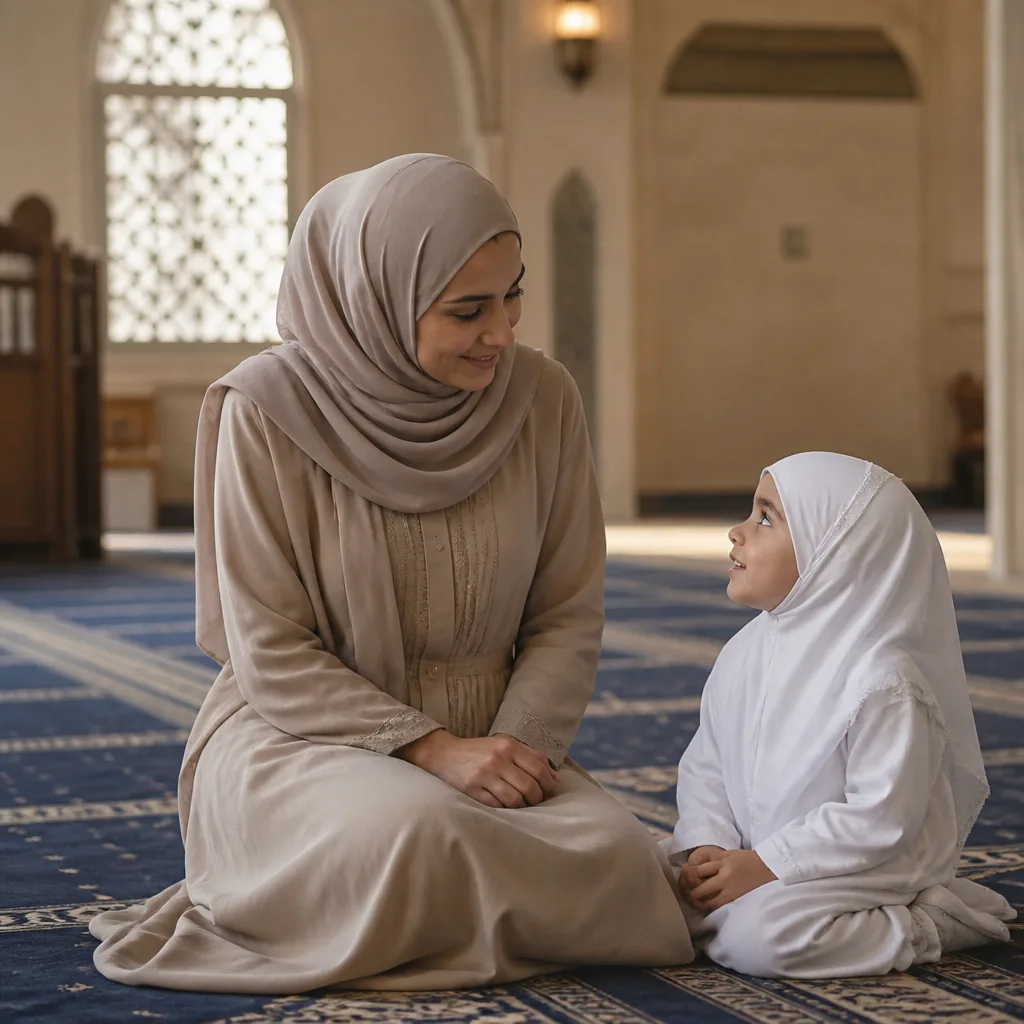
Women’s Comfort, Modesty, and Family-Friendly Space
AMCC aims to be welcoming and comfortable for everyone. If you have questions about modest dress or women’s areas:
- You can ask privately and kindly before prayer
- If you don’t have a hijab yet, you can still come—many people arrive with a scarf option or bring one later
Kids at Jummah
If you’re bringing children:
- Expect some movement and noise (especially with little ones)
- Step out briefly if needed so you can stay respectful and calm
FAQ (Quick Answers)
1) Do I need to know Arabic before I come?
No. You’re welcome even if you don’t know Arabic. Listen during khutbah and follow the prayer movements first. Learning will come step-by-step.
2) What if I don’t understand the khutbah?
That’s completely okay. You can listen for themes, take notes, and ask questions afterward. We can also connect you to beginner-friendly learning so you can understand more over time.
3) What if I’m late?
Just join as soon as you can. Don’t worry—many people experience lateness on their first time. Follow the imam’s movements and do what you’re able to do respectfully.
4) How do I join prayer if I’m nervous?
Start with positions: standing, bowing, and prostration. You don’t need to “perform perfectly” to be part of the congregation.
5) Can I ask for help with wudu?
Yes. In fact, we encourage it. New Muslims often need a gentle walkthrough the first time.
6) What should I wear?
Wear modest clothing you feel comfortable in. If you’re a woman and you don’t wear hijab yet, you can still attend—ask what options or guidance are available.
7) Is it okay to come alone?
Yes. And if you feel awkward, that’s exactly why AMCC offers new Muslim support. You won’t be “left on your own.”
Ready for Your First Jummah at AMCC?
If you’re planning to attend, come early and ask for the new Muslim buddy/support contact. When available, join New Muslim 101 and bring your questions—no question is too small. You are welcome here.
Come early