

American Muslim Community Center
Interfaith Families When Muslims Intermarry
If you’re navigating Islam in an interfaith household, you’re not alone. For couples and families exploring or newly accepted Islam, questions can come quickly—about prayer, family conversations, raising children, cultural shifts, and “what happens next?” At American Muslim Community Center (AMCC) in Central Florida, we offer a welcoming, step-by-step support system—built for real life, designed for belonging, and guided with compassion.
What you’ll find on this page
- Practical next steps for new Muslims in interfaith families
- How to learn the essentials (without needing Arabic first)
- Guidance for family conversations, kids, and home routines
- Prayer & worship support (salat basics, Wudu, masjid visits)
- Community connection, mentorship, and Q&A—no pressure
- Resources for counseling support when needed
Interfaith families thrive when they feel supported, not rushed. AMCC’s approach is structured and gentle: clear steps, consistent guidance, and a community that welcomes the whole family into the journey.
Your first community into Islam—supported with guidance, learning, and belonging.
Understanding interfaith family journeys
When Muslims intermarry, the relationship isn’t only between two people—it often extends into:
- In-laws and extended family expectations
- Shared traditions and holidays
- Decisions about children’s spiritual formation
- Changes in daily routines (food, modesty, prayer schedule, Friday prayers, etc.)
- Emotional moments: grief, excitement, misunderstandings, and hope
Interfaith families thrive when they feel supported, not rushed. That’s why AMCC’s approach is structured and gentle: clear steps, consistent guidance, and a community that welcomes the whole family into the journey.
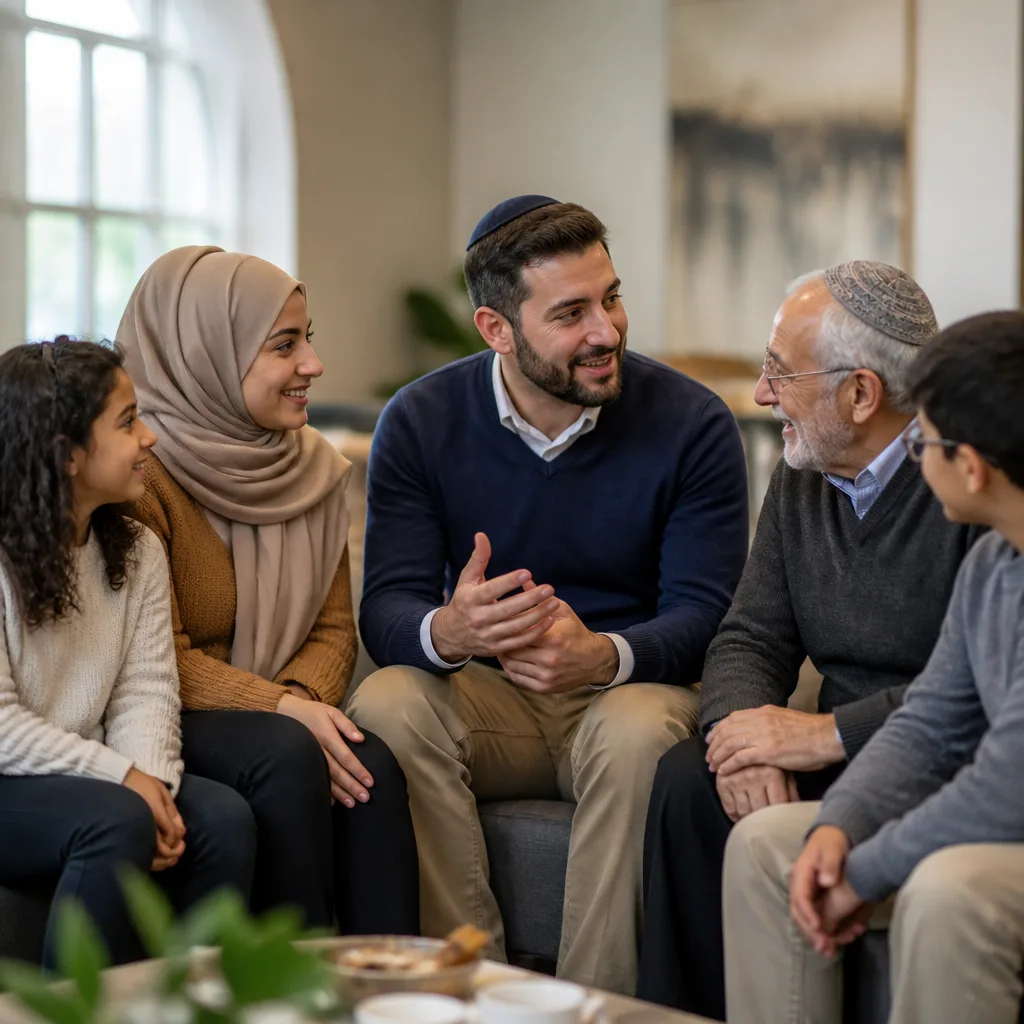
What do we do first? A 30-day starting plan
If you’re newly exploring Islam or recently accepted Islam, this plan helps you build momentum without overwhelm.
Days 1–7: Set your foundation
- Get matched with a New Muslim buddy / contact person for check-ins
- Attend an intro orientation (what to expect at AMCC, how to ask questions)
- Learn the basics of Islamic etiquette (how to participate respectfully)
Days 8–14: Start learning what matters most
- Join one-on-one or small-group learning
- Cover essentials like Basic beliefs, Quran basics (how to read and what to focus on first), and Everyday Islamic etiquette
Days 15–21: Begin worship with support
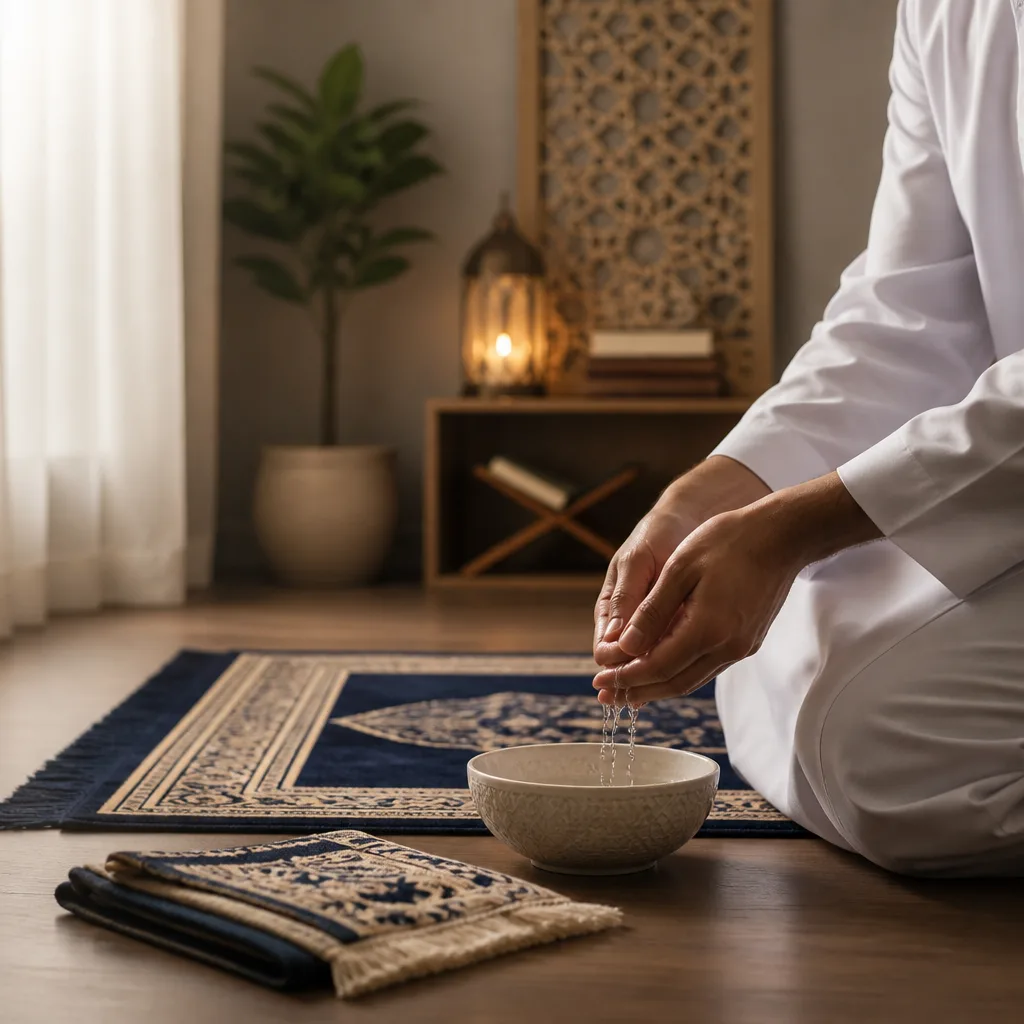
- Learn Wudu basics (step-by-step guidance)
- Learn salat basics (how to pray, what to expect, how to begin comfortably)
- Attend services with a guide (so you’re not navigating alone)
Days 22–30: Bring the family along (at your pace)
- Talk through family questions using compassionate, practical scripts
- Get guidance for topics like how to discuss prayer at home, how to handle holidays and expectations, and what to consider for children’s learning
- If needed, explore counseling referrals and family support resources
New Muslim 101: essential learning, step by step
AMCC’s onboarding is designed for clarity and confidence. You learn in a sequence that matches how life actually works in an interfaith home.
Learn the basics (without needing Arabic first)
- What Muslims believe (simple, grounded explanations)
- Quran reading basics (how to start, how to stay consistent)
- Dua for new Muslims (prayers for guidance, comfort, and growth)
- Islamic etiquette (how to show up and participate respectfully)
“Everyday Islam essentials”
- What to do at the masjid
- How to prepare for prayer
- What questions are normal (and how to find answers)
Prayer & worship support for busy households
Prayer can feel intimidating—especially when family members have concerns or different backgrounds. At AMCC, we help you begin worship with clear, step-by-step guidance, including:
- Wudu guidance (what to do, what to avoid confusion on)
- Salat basics support (timing, posture, what to say, how to start)
- Help attending services (so you know where to go and what to do)
- Gentle coaching for “real household life” (busy schedules, family expectations, privacy needs)
Goal: You don’t just “get information.” You build a sustainable worship rhythm with support.
When Muslims intermarry: family guidance that helps
Interfaith couples often need more than education—they need practical tools for daily harmony.
Conversation support (without arguments)
- How do we talk about Islam respectfully?
- What if my spouse/family is worried or skeptical?
- How do we set boundaries around home routines?
AMCC helps families approach conversations with compassion and clarity—so learning doesn’t create constant tension.
Kids & next steps
- How do we teach children about Islam?
- What should kids do during prayer?
- How do we handle mixed traditions?
We can help you map a realistic plan for home learning and community involvement—without pressuring your household into sudden changes.
When emotions run high (and counseling referrals are needed)
Sometimes interfaith adjustment includes stress, grief, or family conflict. If you need additional support, AMCC can provide counseling referrals and connect you to community resources that prioritize care and safety.
Q&A & confidence building for doubts and questions
- Do I need to know Arabic first?
- What if I don’t understand what I’m reading?
- How do I handle it when family doesn’t agree?
- What should I do if I’m inconsistent with prayer right now?
Zakat-related and welfare support (where applicable)
Interfaith families sometimes face practical needs during transition. AMCC can share guidance and connect you to zakat-related and welfare resources where applicable, grounded in compassion and community care.
Community support at AMCC (buddy, small groups, warm introductions)
Learning is easier when you feel like you belong.
- Personal guidance & mentorship (a “new Muslim buddy” / contact person)
- One-on-one or small-group learning
- A structured onboarding path: what to learn first, where to go, who to ask
- Prayer and worship support for early confidence
- Community connection—warm introductions to volunteers, sisters/youth/community activities
Belonging feels safer when it’s guided. In interfaith households, you may worry about being “the only one” asking questions. AMCC creates a welcoming environment where you can ask, learn, and grow without fear.

FAQs: INTERFAITH FAMILIES in real-life scenarios
Is AMCC’s New Muslims program only for converts?
It’s built for people exploring Islam and those newly accepted into Islam—especially those navigating family realities and questions that come with interfaith life.
What if my spouse or family isn’t ready to learn?
You don’t have to wait to begin. You can start with personal learning and worship support first, then bring the family along at a comfortable pace.
Will I feel out of place attending services?
AMCC provides structured guidance and community support so you can attend services with confidence and clarity.
How do we handle children learning about Islam?
We help you think through a practical approach for home learning and community involvement—so children gain steady, age-appropriate understanding over time.
Do you offer referrals if we need counseling?
If support beyond education is needed, AMCC can provide counseling referrals and connect you with helpful resources.
Join AMCC’s New Muslims program (next steps)
If you’re ready for support that feels welcoming, clear, and caring—AMCC’s New Muslims program is your next step.
Positioning reminder: Your first community into Islam—supported with guidance, learning, and belonging.
Start here
- Request a New Muslim contact/buddy (so you’re not navigating alone)
- Choose your path: 1:1 learning or small-group sessions
- Begin with New Muslim 101 essentials (beliefs, prayer basics, Quran basics)
- Get Wudu and salat guidance and attend services with support
- Bring family questions into a compassionate plan (including counseling referrals if needed)
Ready to begin? Contact AMCC to get started with the New Muslims (Service Program) for interfaith families in Central Florida.