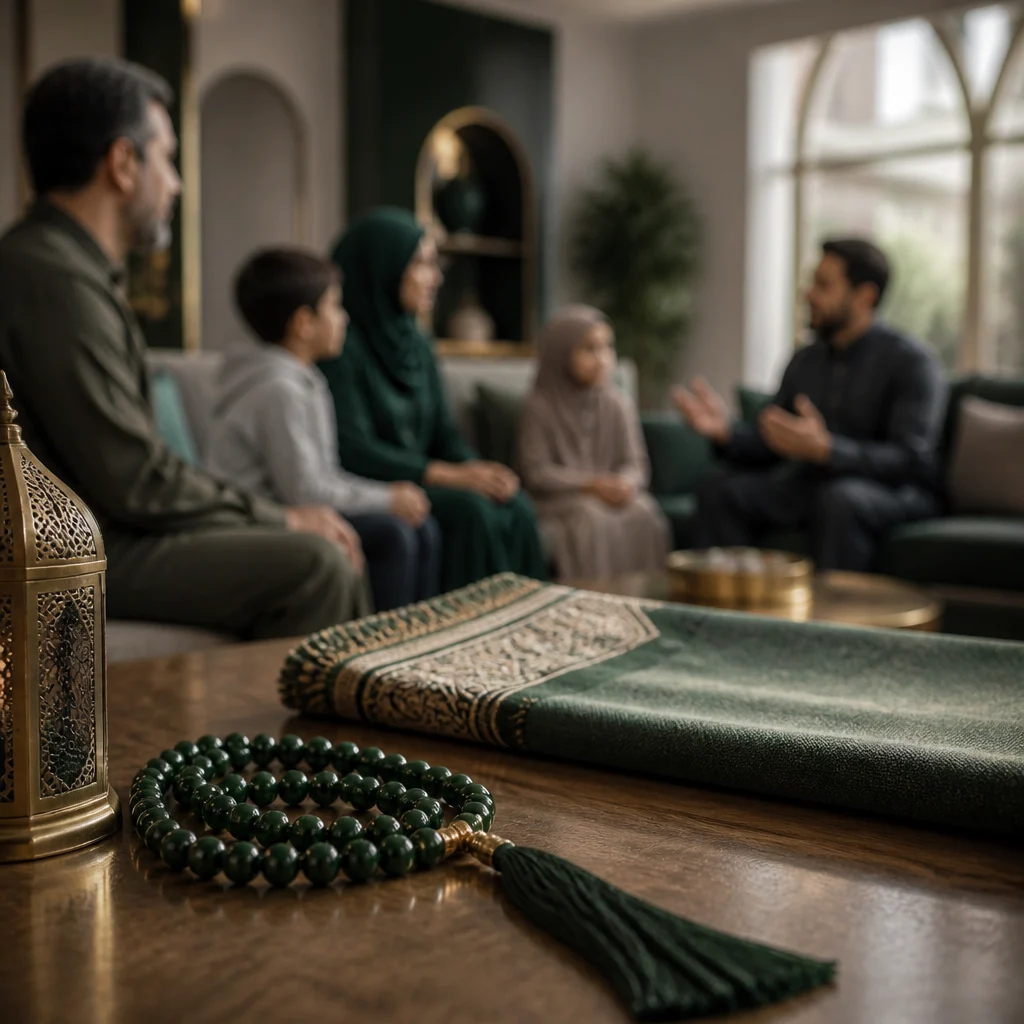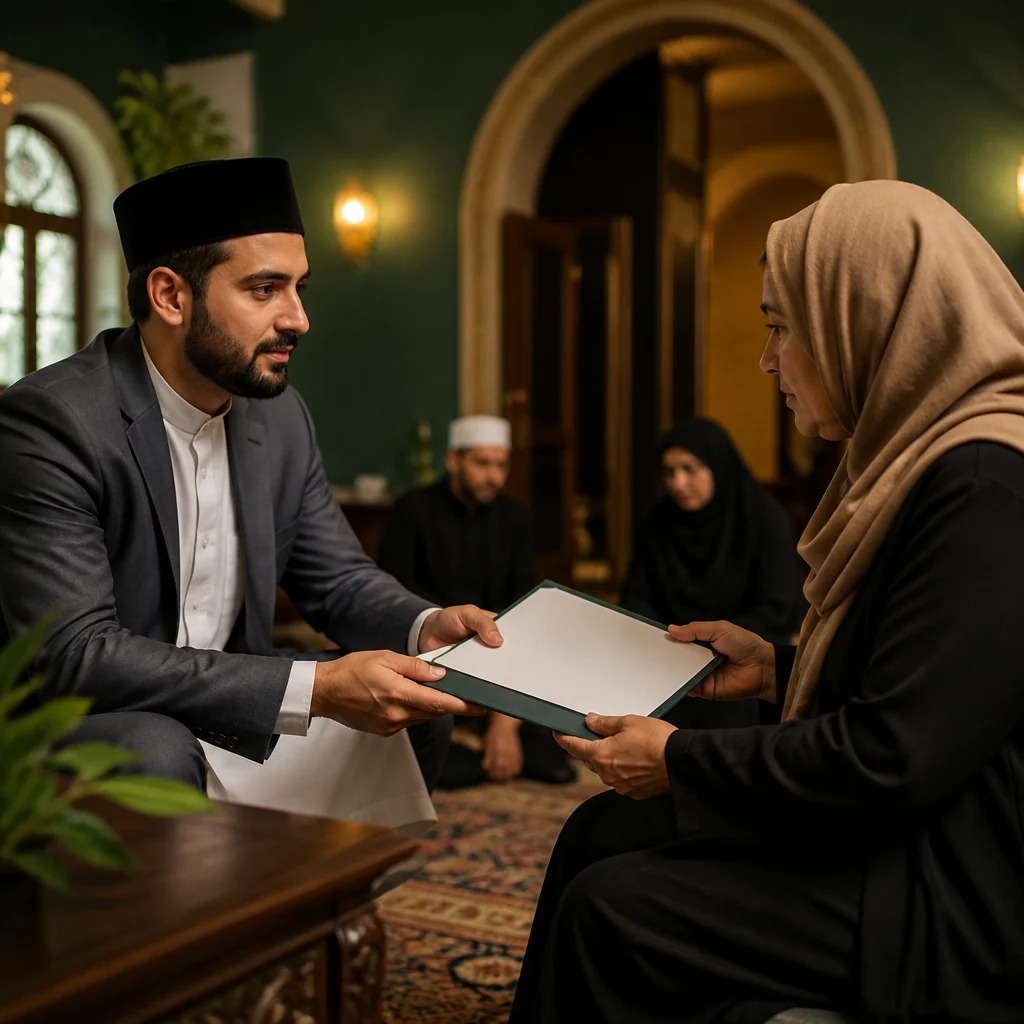
Families caring for a loved one in hospice, hospital care, or end-of-life care often ask the same question: “What happens next—and how can we prepare in an Islamic way?”
If your loved one is Muslim (or if your family is helping someone learn Islamic funeral practices), AMCC (American Muslim Community Center) can also provide compassionate, faith-based guidance alongside your family during a difficult season.
Learn about AMCC’s Funeral ServicesAn expected passing typically means the death is likely to occur soon—often within days or weeks—because of hospice enrollment, serious illness, or end-of-life care. While no plan can remove grief, preparing ahead can help you:


Before any funeral arrangements begin, many families benefit from grounding themselves in Islamic values:
During end-of-life moments, Muslims often recite and encourage:
(If you’d like, AMCC can help connect you with appropriate Islamic support and community guidance.)
If decisions need to be made, clarity helps. Consider discussing as a family:
When the time comes, one person (or a small team) can reduce burden. This representative can coordinate with:
Below is a general outline of common Islamic funeral steps. Exact procedures can vary based on local circumstances, family preferences, and coordination with community resources.
When death occurs, you’ll often begin with:
Why act quickly?
Islamic funeral practices often follow a respectful, time-conscious process, and coordination helps families avoid last-minute stress.
A key religious custom in Islam is preparing the deceased for burial in a respectful manner, commonly described as:
Families may not need to perform every part directly, but understanding the sequence can reduce anxiety. Coordination with those trained in Islamic rites is especially helpful.
The Janazah prayer is a central religious custom. In many communities:
If you have relatives attending, it can help to know expectations—such as arriving quietly, standing in the appropriate rows/lines, and participating respectfully.
Islamic customs emphasize a dignified burial process. Many families plan for:
Because your keyword focus is religious customs, here are several customs families commonly ask about while preparing:
Islamic funeral gatherings emphasize:
Families often want to ensure they and others can participate appropriately in religious observances. If some relatives are unfamiliar with Islamic funeral customs, guidance from AMCC or a knowledgeable community member can help them feel welcomed and respectful.
If your family includes someone new to Islam, Islamic funeral support can be communicated in a compassionate and clear way—so your loved one’s final journey is honored with dignity and mercy.
Religious customs matter deeply, and practical steps can prevent unnecessary stress. Consider the following preparation list:
Possible items to locate or note:
Your care team can explain:
A single point of contact can:
If you have family members who want to attend but are unsure what to do, this section can help them understand the atmosphere and basic expectations.
Attendees typically:
Families often want visitors to:
Grief continues beyond the burial. Islamic mourning traditions emphasize patience, mercy, and support.
Because family situations can differ, mourning guidance may vary—especially depending on relationship and individual circumstances. Families are encouraged to seek guidance from knowledgeable community resources for details.
What generally helps in the days and weeks after:
AMCC can also provide bereavement support and community care so families are not carrying everything alone.
AMCC’s Funeral Services are designed to provide compassionate, faith-based support during times of loss. Families can receive help with:
In a moment of confusion, “religious customs” shouldn’t feel like an added burden. AMCC helps families move forward with clarity, dignity, and mercy—so you can focus on honoring your loved one.

Yes. Many families benefit from learning the Islamic funeral timeline, deciding who will coordinate communication, and arranging community guidance plans—especially when a passing is expected.
Begin by following hospice or hospital procedures and coordinating required steps. Then contact an Islamic community resource for religious guidance and alignment with Islamic funeral customs.
These rites are typically carried out by those trained or responsible within the community and process. Families can coordinate access to the appropriate guidance rather than carrying out every step alone.
They can still attend respectfully. Community guidance can help attendees understand basic expectations—especially around the Janazah prayer and respectful behavior.
Islamic mourning guidance can differ based on circumstances and relationships. For accurate guidance, families should consult knowledgeable community resources (AMCC can help connect you).
Preparing for an expected passing is emotionally heavy. Yet understanding the religious customs and Islamic funeral steps ahead of time can bring steadiness—helping you respond with confidence when the moment arrives.
If you’re preparing now (or supporting a family member who is), consider reaching out to AMCC to learn how AMCC Funeral Services can support your family with respectful Islamic guidance and practical coordination.
Explore AMCC’s Funeral Services to receive compassionate, faith-based guidance for Islamic funeral arrangements—so you can focus on honoring your loved one with dignity and mercy.
Learn about AMCC’s Funeral Services