

New Muslim Guide to a Welcoming Muslim Community
Welcome to Islam—and welcome to community. If you’re a New Muslim (or exploring Islam and feeling unsure where to start), you deserve a supportive space where you can ask questions with compassion, learn at a comfortable pace, and build real belonging. This guide walks you through practical next steps and what you can expect when joining a Muslim community grounded in faith, mercy, and strong Ethics & Values.
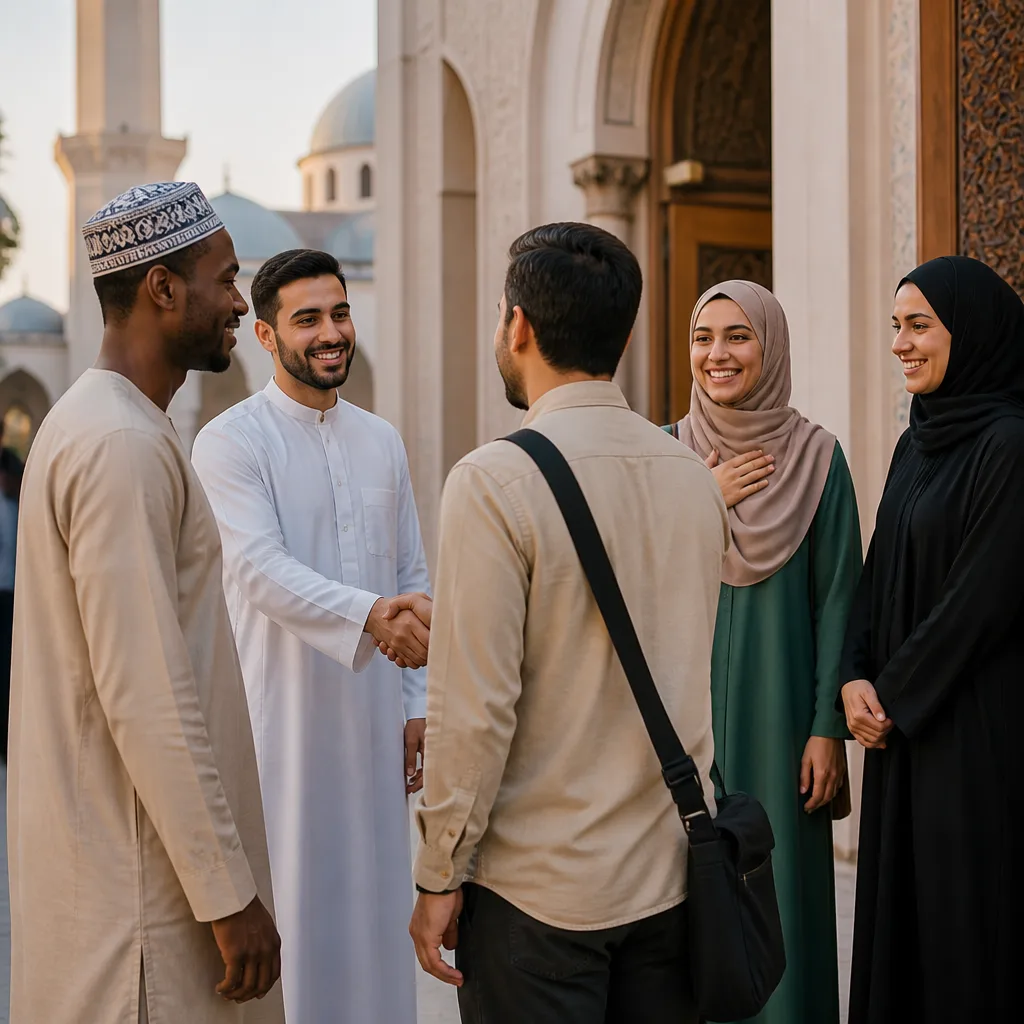
What “New Muslim Support” Really Means
A welcoming Muslim community is more than attending prayers—it’s learning how to live Islam day by day with guidance and care. At American Muslim Community Center (AMCC), the New Muslims program is designed to help you feel safe, informed, and connected—so your first days and months are not confusing or lonely.
- A personal point of contact (“new Muslim buddy”/mentor) for questions and encouragement
- One-on-one or small-group learning (basic beliefs, prayer basics, Quran basics, Islamic etiquette)
- A clear onboarding path: what to learn first, where to go, and who to ask
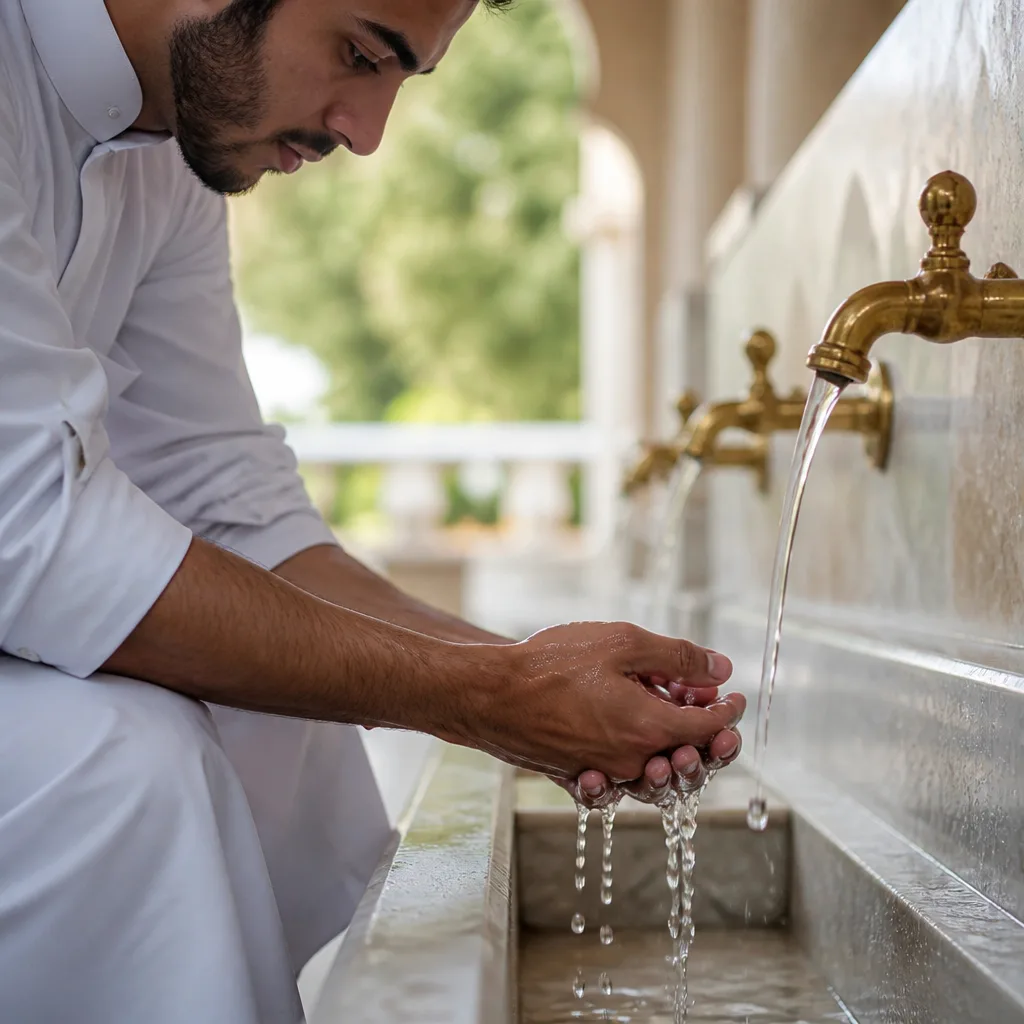
- Help with worship basics—especially salat and wudu
- Warm introductions to sisters, brothers, volunteers, and youth/community activities
- Kind, honest Q&A that meets you where you are (including doubts and practical concerns)
- Resources for family support and next steps
- Guidance to community resources, including welfare support where applicable
This guide focuses on real-life journeys and practical steps—so you can move forward with confidence.
Step-by-Step: Your First Path as a New Muslim
Step 1: Your first welcome (no pressure, just support)
Your early visits can be simple and guided:
- Learn what to expect when you attend the masjid or Islamic classes
- Understand basic masjid etiquette (how to enter, where to sit, how to ask for help)
- Meet someone who can answer questions without judgment
If you’re exploring Islam, you can still connect with the community. You don’t have to “know everything” before asking.
Explore AMCC’s New Muslims support so you can meet a caring guide and know exactly where to start.
Step 2: Learn the foundation (beliefs, purpose, and humility)
Many New Muslims want to understand Islam’s heart and direction. Early learning typically includes:
- Core beliefs in a simple, respectful way
- Understanding worship as a relationship with God (not only rituals)
- Learning Islamic etiquette: honesty, cleanliness, respect, and intention
This is where Ethics & Values become practical—not abstract.
Step 3: Prayer basics that actually help you start
Prayer can feel intimidating at first. Support usually includes:
- Understanding the purpose and structure of salat
- Wudu guidance (how to prepare properly)
- How to follow along during prayer
- What to do if you miss something or don’t understand yet
You can also receive help about when and how to attend services so your learning matches real schedules and community life.
Learn how AMCC supports New Muslims with prayer and worship basics, including Wudu and salat guidance.
Step 4: Quran basics (reading gently, not perfectly)
You don’t need to be an expert to begin. Many New Muslims start with:
- What the Quran is and how it’s approached
- Reading and listening basics (with patience)
- Simple daily habits for connecting with the Quran
- Islamic etiquette for Quran reading
A supportive environment helps you progress without shame.
Muslim Community Essentials: What to Expect When You Visit
Masjid etiquette you can learn quickly
You can ask someone for help with simple things like:
- Where to enter and sit
- When to stand, bow, and sit during prayer
- How to prepare for wudu
- How to approach questions respectfully
A learning environment that welcomes questions
A good New Muslim experience includes:
- Clear answers
- Time for learning (not rushed)
- Respect for your background and your pace
- Assurance that it’s okay not to know everything today
“New Muslim 101” Style Learning: What You’ll Study First
New Muslims often benefit from structured learning that goes from basics to confidence. AMCC’s approach typically supports essentials such as:
- Basic beliefs (simple and grounded)
- Prayer basics (salat structure, wudu, starting routines)
- Quran basics (reading and listening habits)
- Islamic etiquette (manners, modesty guidance as applicable, respectful communication)
- Everyday Islam essentials for living Islam in daily life
This is where Ethics & Values becomes a lived experience—how you treat people, how you speak, how you show up consistently.
Ethics & Values for New Muslims (Practical Character, Not Just Rules)
Islamic teachings include worship, but they also shape character. If you’re a New Muslim, learning Ethics & Values early can help you feel steady.
1) Sincerity of intention
Islam emphasizes that actions are shaped by intention—so you learn to worship and do good with a sincere heart.
2) Honesty and trustworthiness
A Muslim community expects honesty in speech and action. This isn’t only “good behavior”—it’s part of worship.
3) Compassion and mercy
Many New Muslims are surprised by how emphasized mercy is. Kindness becomes a practice: with your family, neighbors, and community.
4) Respectful communication
Learning Islam also means learning how to speak with clarity and respect—especially when you feel unsure.
5) Responsibility and community care
Islam encourages taking care of others and contributing positively. That’s why community involvement—when you’re ready—matters.
Step 5: Community connection (belonging with safety and respect)
A true Muslim community makes space for people who are new. Connection can include:
- Introductions to volunteers and caring members
- Sisters and youth connections (where applicable)
- Group hangouts, circles, and new Muslim meet-ups
- Invitations to community activities and learning events
Belonging matters—because learning Islam often becomes easier when you feel known and supported.
See how AMCC helps New Muslims connect with the community through warm introductions and structured support.
Step 6: Q&A that builds confidence (not confusion)
Doubts, questions, and fears are normal. In a good learning space, you can ask:
- Do I need to know Arabic first?
- What if I don’t understand what I’m saying in prayer?
- How do I learn without feeling overwhelmed?
- What should I wear or bring when I attend?
- How do I handle Ramadan for the first time?
A supportive program helps you feel clarity and momentum.
Step 7: Family support and next steps
Islam reaches beyond you—often into your household. New Muslim support may include:
- Guidance for how to explain Islam respectfully to family
- Resources to learn at home
- Referrals to counseling or additional support if needed (when appropriate)
You’re not expected to handle everything alone.
Step 8: Welfare and zakat-related guidance (where applicable)
If you’re facing financial, family, or urgent needs, your community should respond with care and wisdom. AMCC can help guide you to available community resources, including welfare support related to zakat and charity processes where appropriate.
How AMCC Supports New Muslims in Central Florida
AMCC is an Islamic organization and masjid founded in 2012 in Longwood, Florida. The New Muslims program is part of AMCC’s broader mission to build a vibrant, inclusive Muslim community—one that promotes Islamic teachings, service to humanity, good citizenship, and positive relations with people of other faiths.
Support areas often include:
- New Muslim buddy/mentor guidance
- Islamic education and learning opportunities
- Prayer services and worship support
- Sisters and youth programs (where applicable)
- Social, cultural, and community activities that support belonging
- Community welfare support and guidance, including zakat-related pathways where appropriate
- Services such as counseling referrals (when needed) and support for next steps
If you want a community where you can learn and belong, AMCC’s approach is designed for that. Learn more about the New Muslims (Service Program) at AMCC and how to get matched with guidance and a clear starting path.
FAQ (Quick Answers)
Do I need to know Arabic before I can pray?
No. Many New Muslims start prayer basics with support and guidance. Learning Arabic can come gradually, and it’s okay not to understand every phrase immediately.
What if I can’t memorize Quran or surahs yet?
You can begin with what you can. Many communities help you learn step-by-step—through listening, practice, and gentle repetition.
How do I know what to wear when attending the masjid?
AMCC can help you understand expectations in a respectful, beginner-friendly way. If you’re unsure, it’s completely okay to ask.
What if I don’t understand what’s happening during prayer?
That’s normal when you’re new. Community members can explain where you are in the prayer and how to follow along.
What if I miss a prayer or struggle at first?
For New Muslims, mistakes and learning stages are expected. A supportive guide can help you build routines and confidence.
Is it okay to ask questions even if I have doubts?
Yes. A welcoming New Muslim program is built for questions—especially the honest ones. You deserve compassion and clarity.
How do I handle Ramadan for the first time?
You don’t have to do everything the same way as someone who has been practicing for years. You can learn what Ramadan is, what to expect, and how to prepare—step by step.
What if my family doesn’t understand?
AMCC’s community support can help you think through respectful conversations and next steps, including resources for guidance at home.
Can I join learning classes if I’m still exploring Islam?
Yes. Exploring is part of the journey. You can attend learning opportunities and ask questions as you grow.
What about welfare support if I’m in a difficult situation?
A caring community helps you find appropriate resources. AMCC can guide you to available support options, including welfare pathways where applicable.
Learn more about AMCC’s New Muslims support
Becoming Muslim (or exploring Islam) is deeply meaningful—but it’s also a transition. You shouldn’t have to figure it out alone.
Learn More About New Muslims Support