

Understanding Nikah (Islamic Marriage) in Florida
Nikah is more than a wedding ceremony—it is a sacred Islamic marriage contract that establishes rights, responsibilities, and a shared path of worship and mercy between spouses. Whether you’re a Muslim preparing for your nikah or a non-Muslim seeking to understand Islamic marriage, this pillar guide explains why Nikah matters, what it requires, and how couples can approach a faith-based Florida wedding with clarity and care.
Explore AMCC’s Nikah Services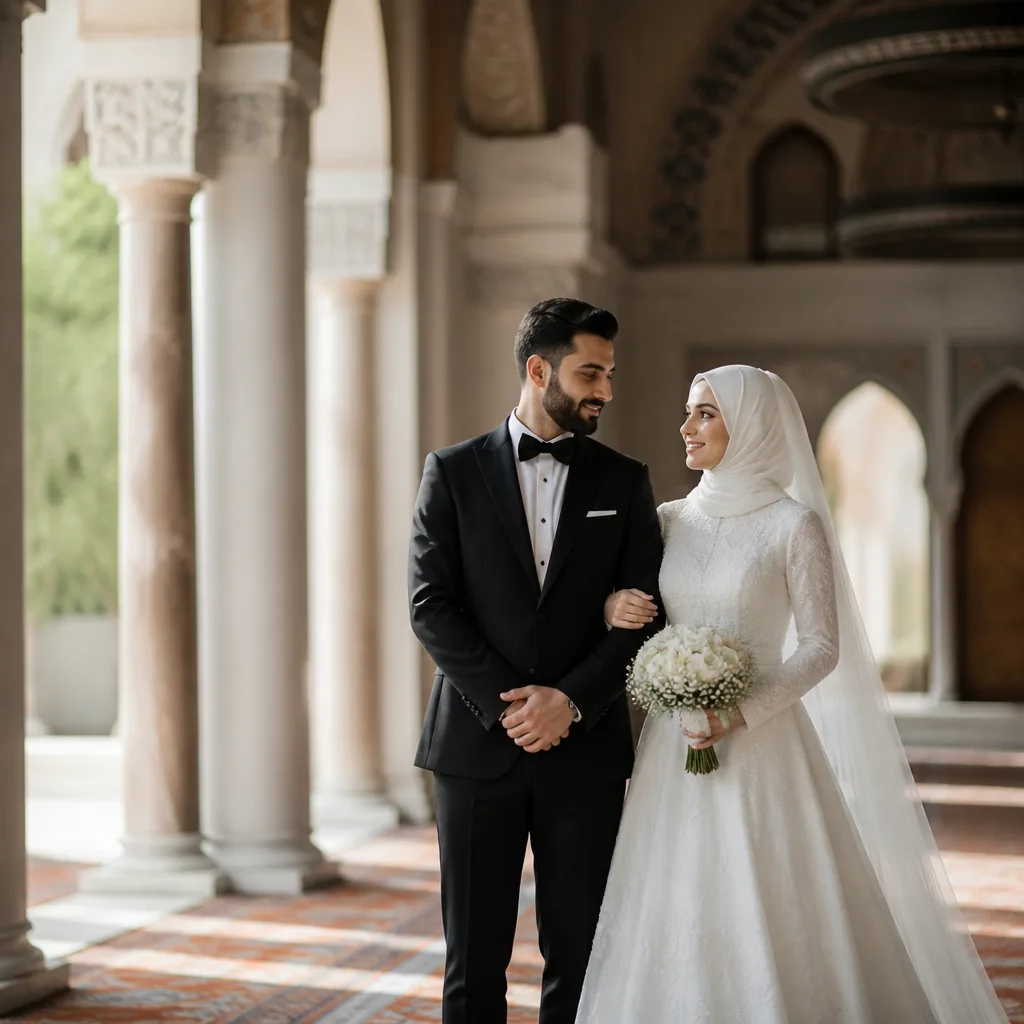
What Is Nikah in Islam? (Meaning, Purpose, and Values)
In Islam, Nikah is an official marriage contract between a bride and a groom. It is designed to create a stable family unit guided by Islamic values.
The purpose of Nikah includes:
- Protecting and honoring relationships through a lawful, committed bond.
- Providing emotional and spiritual companionship built on love, mercy, and respect.
- Establishing clear responsibilities for both spouses.
- Encouraging family stability and raising a family in a faith-centered environment.
- Seeking Allah’s pleasure through lawful partnership and shared worship.
Key Islamic values behind Nikah
- Mercy (Rahmah): kindness in words and actions throughout marriage.
- Mutual respect: dignity for both spouses, including before and after the ceremony.
- Responsibility and fairness: each party fulfills obligations with sincerity.
- Consent and transparency: decisions are made with integrity and clarity.
Nikah vs. “Wedding”: What’s the Difference?
Many couples use the word “wedding” to describe the whole celebration. In Islamic terms, the core of the union is the Nikah contract.
A Florida wedding celebration can include cultural traditions, receptions, and events—but the Islamic marriage is anchored by the requirements of the contract and the ceremony process.
Practical takeaway: If you want a Florida wedding that aligns with Islam, plan both:
- The Nikah contract (the religious-legal core)
- The celebration (cultural and family moments that follow Islamic guidance)
Nikah Requirements: What Must Be in Place?
While details can vary by scholar, country, and community practice, most Nikah ceremonies include the following components.
- Consent of both spouses: the bride and groom enter willingly and with awareness.
- A marriage guardian (Wali) for the bride (commonly followed): the bride’s guardian may play an important role, and it’s best to confirm what applies.
- An officiant / qualified imam: a qualified officiant facilitates the ceremony and helps ensure the contract is conducted properly.
- The marital agreement, including Mahr / Mehr: the agreed gift/obligation from the husband to the wife.
- Witnesses: people who observe and validate the contract.
- A clear contract and proper wording (Ijab and Qabul): acceptance through properly understood and conducted intent and wording.

Step-by-Step: How Nikah Is Typically Performed
If you’re learning from common step-by-step Nikah guides, the process generally follows a recognizable sequence. Here’s a clear overview of what you can expect.
- Marriage preparation and alignment: couples begin with conversations about values, expectations, and responsibilities before the ceremony date is set.
- Confirm the essentials: confirm who will be involved (officiant, guardian role if applicable, witnesses), what will be agreed (including Mahr), and the ceremony plan and documentation needs.
- Conduct the Nikah ceremony: the agreement is presented and accepted, required parties and witnesses are present, and the contract is completed according to Islamic guidance.
- After the ceremony support: a strong Nikah includes spiritual and practical guidance afterward—especially for couples who want to build a healthy marriage with Islamic grounding.
Florida Wedding Planning for a Faith-Based Nikah
Planning a Florida wedding often includes logistical questions like venue timing, family coordination, and documentation. While Nikah is religious, couples in Florida may also need to understand how the wedding celebration and community process fit together.
Consider these Florida-specific planning points:
- Ceremony timeline: schedule enough time for the Nikah process (not just a short photo moment).
- Witness and family coordination: ensure the right people can attend.
- Clear communication: keep families informed respectfully, especially if different cultural backgrounds are involved.
- Venue readiness: confirm the space supports the ceremony setup and atmosphere.
- Documentation awareness: ask your community for a checklist so nothing is missed.
If you’re bringing together extended families for a Florida wedding, a well-organized plan can help prevent confusion, miscommunication, and relationship stress.
Relationship Issues: How Nikah Guidance Can Help Before and After
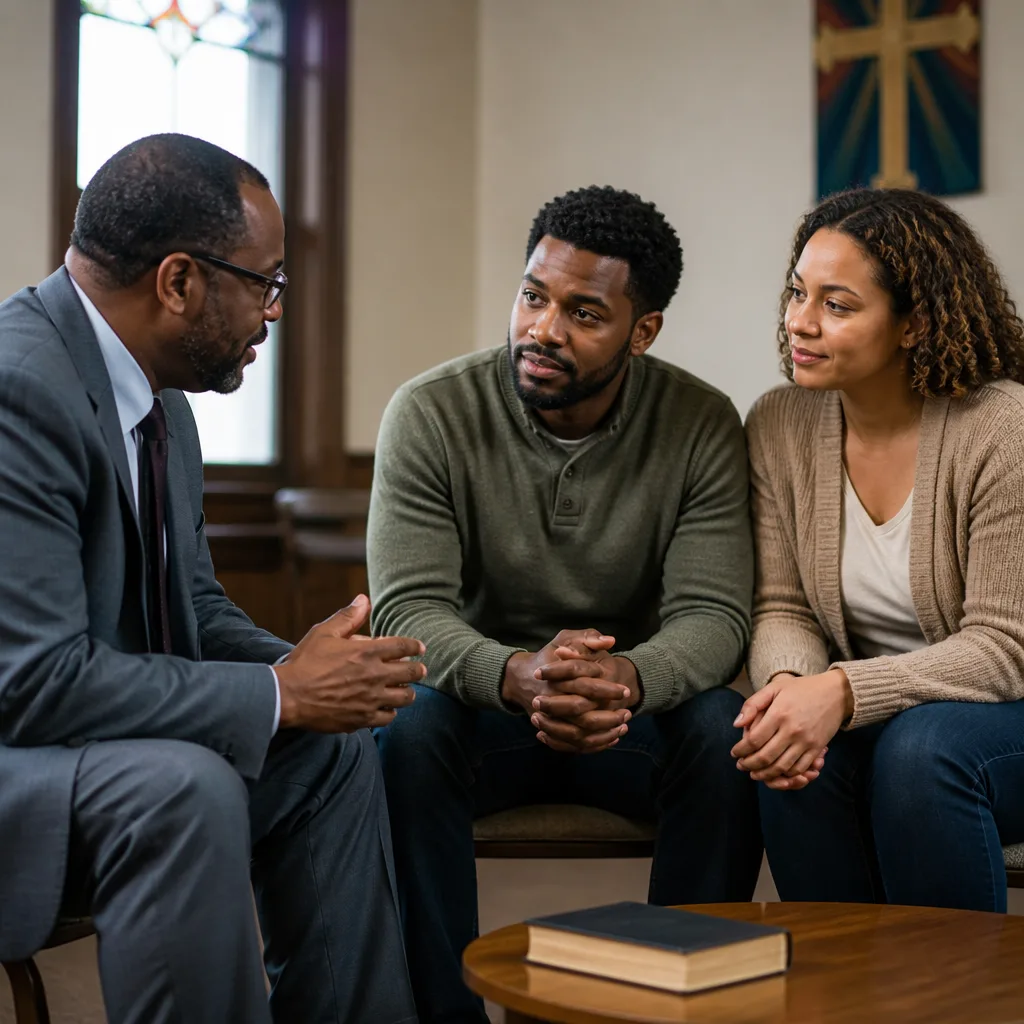
Many couples don’t realize that Nikah preparation can also act as premarital support. When relationship issues emerge early—communication gaps, expectations around roles, or disagreements about family involvement—Islamic marriage guidance helps couples address concerns with mercy and clarity.
Common relationship issues couples may face:
- Misunderstandings about responsibilities in daily life.
- Differences in family expectations and boundaries.
- Emotional readiness and communication habits.
- Conflict patterns that repeat under stress.
- Stress from wedding planning and family involvement.
How Islamic counsel can help
Islam encourages intentional partnership. Proper guidance can support couples by:
- Strengthening communication and respect.
- Clarifying marital responsibilities (rights and duties).
- Encouraging honesty and transparency.
- Reminding both spouses of Allah-consciousness and kindness.
Important: If you’re experiencing ongoing relationship issues, seeking early help—before problems harden—is a wise and Islamic approach.
What to Expect from AMCC’s Nikah Services (Community-Supported)
For couples seeking a Nikah in Central Florida, AMCC’s approach is designed to be respectful, organized, and community-centered. Your goal is the same as ours: your union begins with proper Islamic guidance and care. For more about AMCC, visit AMCC.
In line with AMCC’s Nikah services, guidance and support may include:
- Marriage readiness support (helping you reflect on readiness and expectations).
- Coordinating the Nikah process in an organized manner.
- Helping with documentation requirements so you feel prepared.
- Connecting couples with qualified officiants/imams.
- Supporting families through ceremony planning with clarity and cultural sensitivity.
- Ongoing spiritual counsel before and after the marriage.
Whether you are planning your first marriage or returning after a previous relationship, AMCC aims to make the experience welcoming—especially for new couples who may feel nervous, unsure, or overwhelmed by the process.
Conclusion: Make Your Nikah a Strong Start for Married Life
Nikah is a sacred Islamic commitment that brings spiritual meaning, lawful structure, and shared responsibility to the relationship. For couples planning a Florida wedding—or simply learning about Islamic marriage—understanding Nikah’s purpose, requirements, and values helps you approach marriage with clarity and mercy.
If you want a faith-based, community-supported Nikah experience, AMCC is here to help couples navigate the process with compassion and Islamic integrity.
FAQ (Quick Answers)
Do I need to be Muslim to learn about Nikah?
You’re welcome to learn. Many non-Muslims want to understand Islamic marriage respectfully and accurately. Nikah discussions often focus on the purpose, meaning, and values behind the contract, which can be educational for anyone.
Is Nikah the same as a Florida wedding reception?
No. A Florida wedding reception may include cultural traditions and celebrations, but Nikah is the Islamic marriage contract and ceremony. Many couples plan both, with the Nikah process done according to Islamic guidance.
What are the key requirements for a valid Nikah?
Common elements include consent, Mahr agreement, witnesses, and an officiant (often an imam), with the contract completed properly. Exact details may vary depending on community practice and circumstances.
What if we have relationship issues before marriage?
Islamic guidance can help couples prepare thoughtfully. Addressing communication, expectations, and family involvement early can reduce stress and help you start married life with healthier patterns.
What support does AMCC provide for couples planning a Nikah in Central Florida?
AMCC’s Nikah services are designed to be community-supported and organized. Couples can receive help with readiness, coordination, documentation awareness, connecting with qualified officiants, family support during planning, and spiritual counsel before and after the ceremony.
Explore AMCC’s Nikah Services
Learn how we guide couples through marriage readiness, ceremony coordination, documentation support, and ongoing spiritual counsel—so your union begins with strong Islamic and family values. You can also review AMCC’s wider services anytime.
Explore AMCC’s Nikah Services