

Nikah Process & Family Roles (AMCC Guidance)
Nikah Process & Ceremony Guidance (AMCC)
A Nikah is more than a ceremony—it’s a sacred marriage contract guided by Islam, built on mercy, responsibility, and long-term family values. For parents and guardians, it can also feel like a new responsibility: helping your engaged loved ones understand expectations, preparing for documentation, and supporting a respectful, blessed ceremony.
This pillar guide explains how the Nikah process typically works, what families usually participate in, and how the American Muslim Community Center (AMCC) supports couples and their parents through every step.
Marriage and family values: Why parents’ support matters in Islam
In Islam, marriage strengthens faith and the family unit. That means parents and guardians play an important role in creating an environment of clarity, honesty, and good character.
Family support often includes:
- Encouraging sincerity: Helping the couple enter marriage with the right intentions and commitment.
- Ensuring compatibility and readiness: Supporting honest conversations about beliefs, responsibilities, and lifestyle.
- Maintaining adab (respectful conduct): Especially when cultures and expectations differ.
- Helping the marriage start well: Offering guidance before the ceremony and emotional/spiritual support after it.
At AMCC, our goal is to make Nikah guidance clear and community-centered—so families feel informed, respected, and supported.
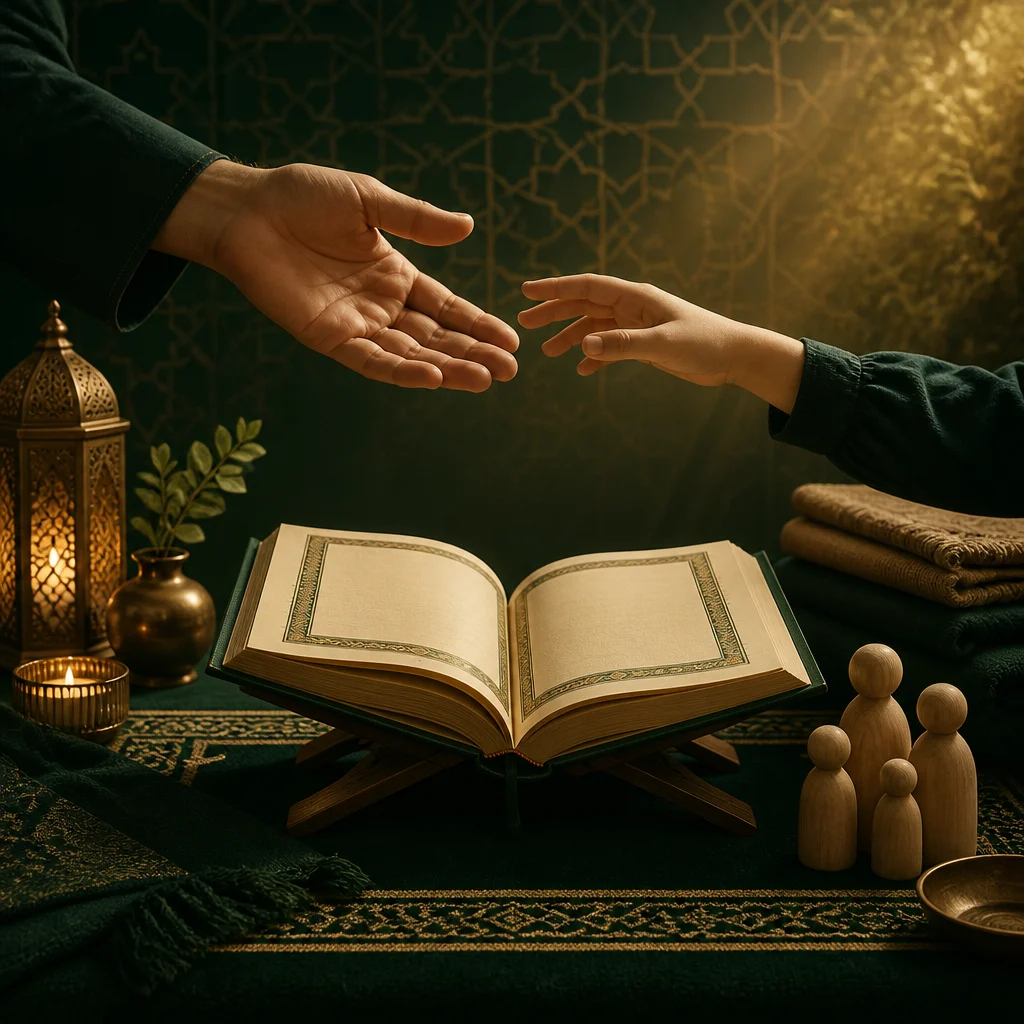
The family roles in a Nikah (what parents/guardians typically help with)
While each couple’s circumstances are unique, parents and guardians commonly support the Nikah process in these ways:
1) Emotional and practical preparation
Parents can help ensure the engaged couple has time and space to prepare spiritually, financially, and emotionally—without pressure or confusion.
2) Agreement, consent, and respect
Islam emphasizes mutual acceptance and respectful communication. Parents help by modeling calm, responsible conversations and ensuring that both sides feel heard.
3) Wali (guardian) and witnessing (as applicable)
Depending on your family’s situation, Islamic requirements may involve the role of a wali and the presence of witnesses during the Nikah. AMCC can explain what applies in your case and help you coordinate appropriately.
4) Ceremony planning with cultural sensitivity
Family traditions often matter. AMCC helps families honor culture while maintaining the integrity of the Islamic ceremony and contract.
Readiness checklist for engaged couples and families
Before the Main Event, families usually benefit from confirming the essentials. Here’s a practical, Islam-aligned checklist you can use together.
Spiritual readiness
- Intention for marriage as worship and partnership
- Commitment to kindness, mercy, and honesty
- Understanding key responsibilities in marriage (faith, care, communication, stewardship)
Practical readiness
- Agreement on timing and logistics
- Discussion of expectations (home life, schedules, children plans if applicable)
- Preparation for the ceremony setting (where the Nikah will take place)
Family communication readiness
- Parents aligned on roles and expectations
- A respectful plan for family involvement (what will happen, who attends, and what is needed)
AMCC supports this preparation through guidance and coordination, helping families move forward with clarity.
The Main Event: The Nikah Ceremony
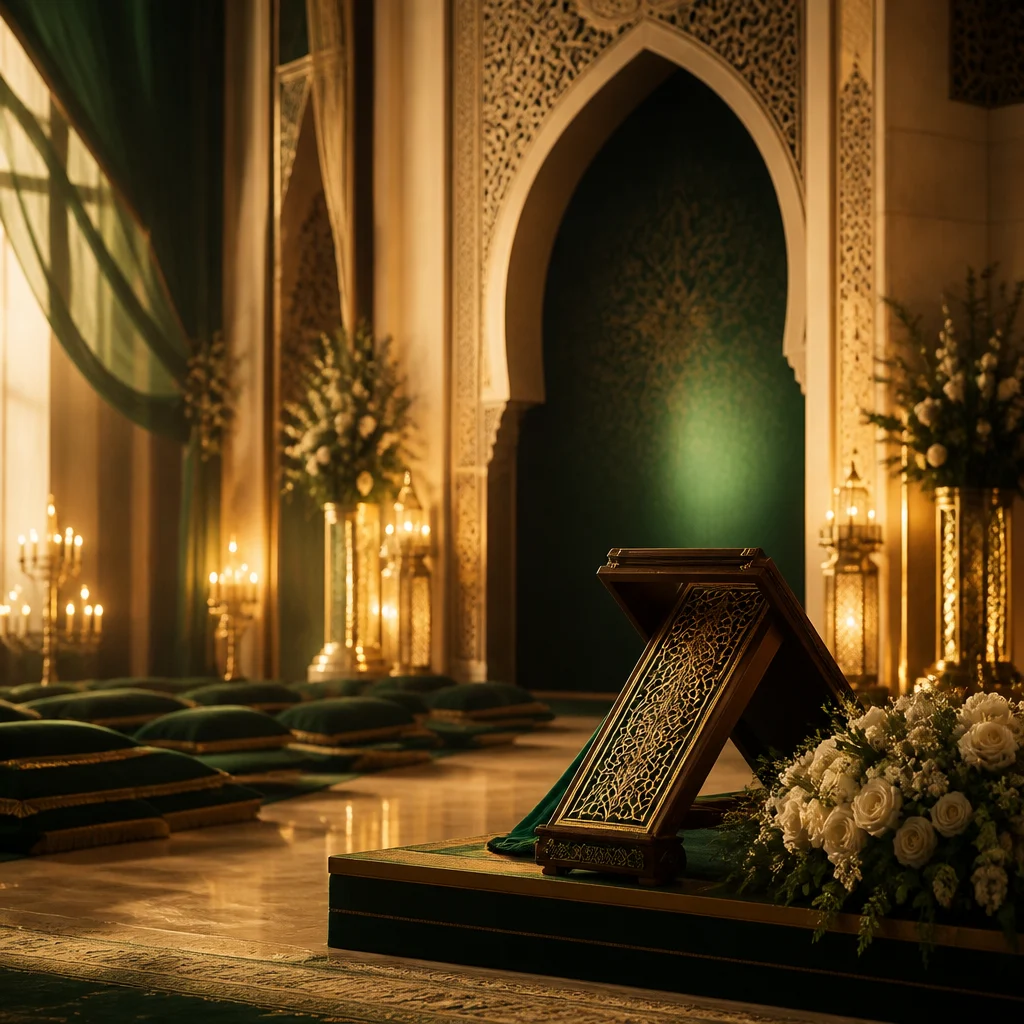
For many families, the Nikah ceremony is the most visible part—but it s쳮ds when the preparation is organized and values-driven. Here’s what the Nikah ceremony is generally focused on:
What happens during the Nikah
While details may vary based on your circumstances and local practices, the Nikah ceremony typically includes:
- The marriage contract elements (as required in Islam)
- Proper guardian/witness involvement (as applicable)
- The couple’s commitment in a respectful, Islamic way
- Community recognition and a blessed start to married life
How families can show support during the ceremony
Parents and guardians often help by:
- Arriving prepared and on time
- Maintaining respectful adab
- Supporting the couple emotionally
- Respecting the Islamic structure of the ceremony
AMCC coordinates a community-centered experience so your family can focus on a blessed, respectful Nikah rather than last-minute confusion.
Nikah requirements and documentation: what to prepare
Requirements can differ depending on personal circumstances and timing. The purpose of this section is to help you come prepared and reduce uncertainty.
Common things couples and families may need
You may be asked to provide, for example:
- Identification details (and any documents required by your situation)
- Information needed for the contract and ceremony coordination
- Any relevant context that impacts wali/witness arrangements
Important: AMCC will guide you on what is needed for your specific case, so families don’t have to guess or gather items unnecessarily.
What to expect when you work with AMCC for Nikah services
AMCC makes Nikah simple, faith-based, and community-supported. Here’s the typical flow families experience when seeking Nikah services through our community.
1) Guidance for readiness
We help couples and parents understand what’s required, what to prepare, and how to approach marriage according to Islamic teachings and family values.
2) Step-by-step coordination
AMCC supports the process with clear communication, so families know what happens next and why.
3) Documentation support
We help families understand documentation expectations and connect the right details to the ceremony planning.
4) Connecting the right officiant/imam support
AMCC coordinates with qualified leadership/officiants to support the Nikah ceremony respectfully and properly.
5) Family support and ceremony planning
We support families through communication, cultural sensitivity, and a welcoming environment where parents can feel confident.
6) Ongoing spiritual counsel before and after
Marriage continues after the ceremony. AMCC offers spiritual guidance so the union begins with Islamic integrity and grows with mercy.
After the Nikah: supporting a strong start to married life
For parents and guardians, your support doesn’t end at the ceremony. After the Nikah, families often benefit from:
- Encouraging healthy communication and kindness
- Supporting the couple as they adjust to new responsibilities
- Reinforcing shared values and long-term goals
- Seeking spiritual guidance when challenges arise
AMCC remains available to help couples stay grounded in Islamic teachings and family responsibility.
FAQ (Parents & Guardians)
1) Can parents attend and support the Nikah ceremony?
Yes. Parents and guardians are an important part of marriage support in many families. AMCC coordinates a respectful environment so families can participate appropriately.
2) What if we come from different cultural backgrounds?
Culture can be honored, but the Islamic integrity of the ceremony comes first. AMCC helps families plan in a way that supports both the couple’s values and respectful ceremony structure.
3) How early should we start preparing for the Nikah?
Starting early helps families address readiness, documentation, and coordination smoothly. AMCC can guide you on a practical timeline once you share your situation.
4) What if one partner is a new Muslim or returning to Islam?
AMCC provides supportive guidance for couples in different spiritual journeys, helping ensure the process is clear, respectful, and aligned with Islamic teachings.
5) Do we need to involve a wali and witnesses?
In many cases, Islamic requirements involve wali and witnesses (as applicable to your situation). AMCC will help you understand what applies and coordinate respectfully.
6) What if this is a second marriage for one or both partners?
Second marriages can still be guided with faith and integrity. AMCC supports couples with clarity and dignity through the Nikah process.
Ready to learn your next steps? Contact us
If you’re a parent/guardian supporting an engaged couple, you don’t have to figure everything out alone. Contact us to learn how AMCC can guide you through Nikah readiness, requirements, and ceremony coordination with compassion and Islamic integrity.