

Teaching Salah to Kids at AMCC Weekend School
If your child is at the age where they can start learning to pray, you want more than “good intentions”—you want a clear plan, gentle guidance, and real progress you can see and feel at home. American Muslim Community Center (AMCC) Weekend School is where children grow in faith and character—learning Islam in a supportive, structured, and community-centered environment.

A Weekend School Built for the Moment Your Child Is Ready for Salah
If your child is learning to pray, families often need a path they can trust—gentle, clear, and structured enough to make real progress at home. AMCC Weekend School supports children as they grow in faith and character through a supportive, structured, community-centered environment.
Parents choose AMCC Weekend School because it helps families build consistent Islamic habits—learning salah basics, understanding wudu, memorizing short surahs and duas, developing character (akhlaq), and building confidence through the Integrated Madrasa approach.
Age-Based Milestones: What Progress Looks Like
Every child learns at their own pace, but families typically see meaningful milestones by age group.
Ages 4–6: “I Can Try” Salah Confidence
- recognizing prayer times with simple reminders
- practicing movement with a calm routine
- learning short phrases with encouragement
- understanding wudu as “washing with intention” (basic steps)
Ages 7–9: “I Can Practice” Salah Habits
- more structured salah practice (step-by-step routines)
- confidence reading parts of prayer (with repetition)
- stronger wudu understanding and home transfer
- memorizing short surahs and duas regularly
Ages 10–12: “I Can Own My Routine”
- refine salah manners and consistency
- deepen memorization and improve retention
- start connecting Qur’an lessons to character goals
- prepare to be positive role models for younger siblings
Encouraging Kids to Pray
Many parents know the struggle: your child is excited at first… then gets distracted, restless, or unsure. AMCC’s approach mirrors what works for kids.
- structured routines (so they know what to expect)
- gentle repetition (so they feel capable)
- celebrating effort (not just perfection)
- positive teacher support (kids feel seen and safe)
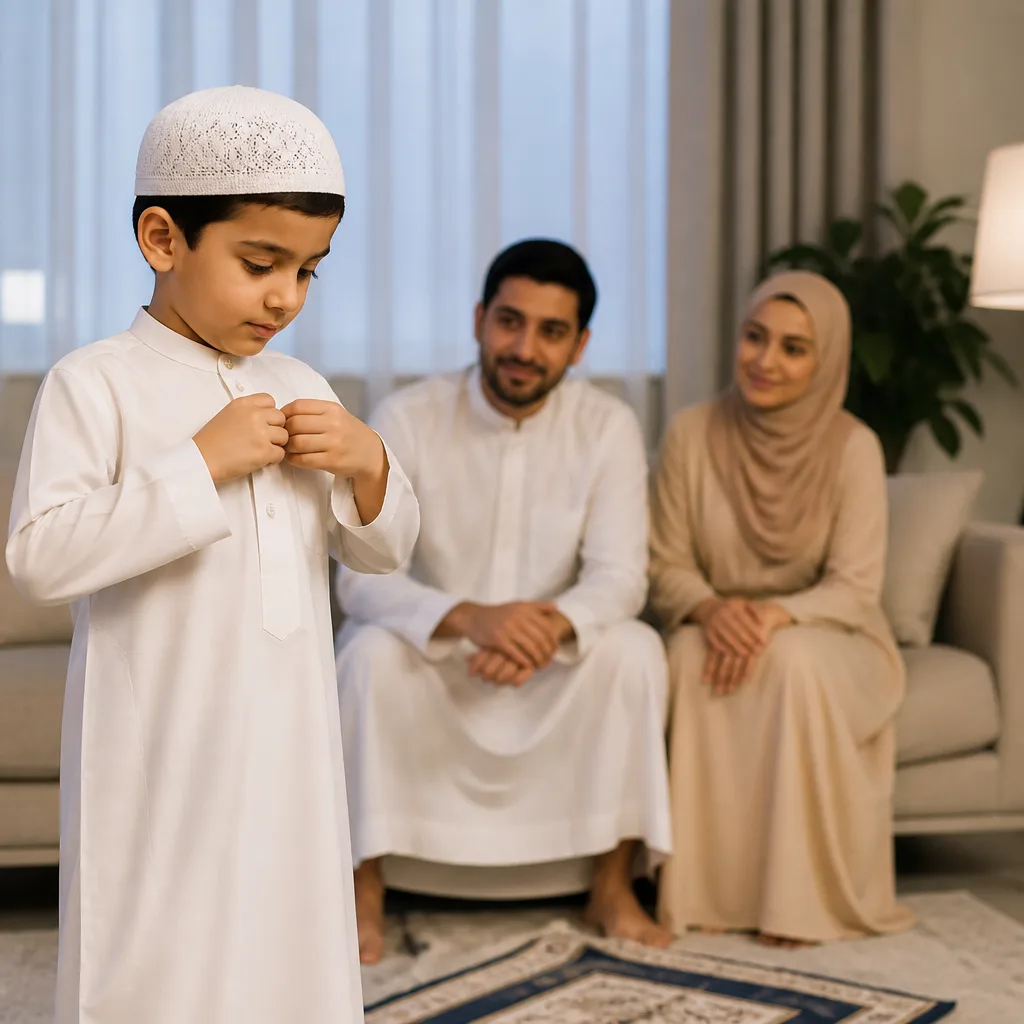
Prayer Wear: Making Salah Feel Like “My Special Time”
AMCC supports families with practical ideas that make prayer learning easier at home. Prayer Wear helps children feel ready and respectful when it’s time to pray.
- respond better to prayer routines
- feel more confident stepping into salah
- practice with less resistance
- associate prayer with dignity and belonging
If you’re wondering how to prepare your child for a smooth start, AMCC guidance can help you choose a simple, family-friendly approach.
What Your Child Will Learn This Weekend (Real Outcomes)
At AMCC, “learning Salah” isn’t just one lesson. It’s woven into weekly routines, classroom activities, and parent-friendly milestones.
1) Salah Foundations (for kids beginning prayer)
- how and when we pray (simple reminders and routines)
- salah manners and respectful behavior
- posture basics (standing, bowing, prostrating—taught progressively)
- short memorized phrases that make prayer feel achievable
- encouragement to stay calm, try again, and build consistency
2) Wudu Made Understandable
- clear, repeatable steps
- practice using age-appropriate guidance
- friendly explanations of “why wudu matters”
- habits that carry into home routines
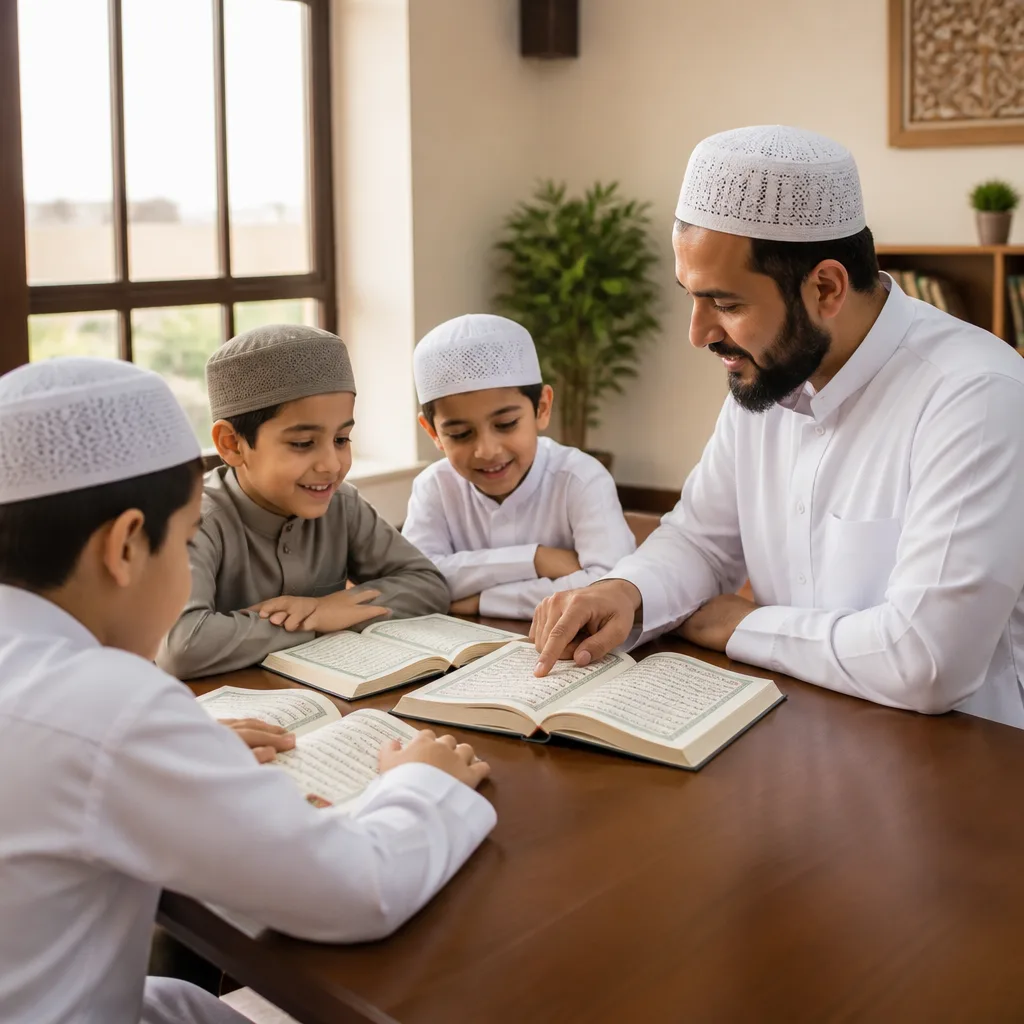
3) Qur’an Learning with the Noorani Qaida Course
- learning letters and reading foundations
- building a love for Qur’an through guided practice
- supporting progress week to week
4) Duas & Short Surahs (memorization with meaning)
- repetition in a supportive environment
- short du’a themes for daily life
- opportunities to reflect and apply what they learn
5) Character That Supports Prayer Habits (Akhlaq & Islamic Values)
- honesty and respect
- kindness to family
- manners and gratitude
- stories from the Qur’an that connect faith to behavior
Community Highlights: Where Kids Feel They Belong
Parents don’t just want worksheets—they want their child to feel part of a caring community. At AMCC, children learn in a safe, welcoming environment.
- meaningful classroom activities
- opportunities that strengthen confidence
- celebrations and reflections on what children learned
- weekly support from qualified instructors
Weekend School also supports inclusion and outreach—so new learners and new Muslim families can enter with comfort, clarity, and care.
For New Muslim Families: You’re Welcome Here
If your family is new to Islamic education, you’re not expected to already know everything. AMCC’s mission includes welcoming support for new Muslim guidance, helping parents feel confident about daily practice, and creating a supportive learning environment for kids.
How AMCC Helps Strengthen Family Values at Home
When weekend learning is consistent, home becomes easier. Parents often report smoother transitions to prayer time, more willingness to practice wudu, increased interest in Qur’an stories and duas, and calmer, more respectful behavior linked to character lessons.
Integrated Madrasa at AMCC Weekend School (How It All Connects)
AMCC’s Weekend School supports children through a connected learning flow—this is the heart of our Integrated Madrasa approach:
- Qur’an learning (with Noorani Qaida Course)
- prayer basics (salah + wudu)
- memorization (short surahs and duas)
- character themes (akhlaq for real-life behavior)
- community belonging (kids feel part of something meaningful)
It’s not isolated “Islam class time.” It’s habit-building that families can recognize.
FAQ (Quick Answers)
What age should my child start learning salah?
Many families begin when children can follow instructions and understand routines—often around ages 4–6 and up. If you share your child’s age and readiness, AMCC can guide you toward the best starting point.
Do we need to buy Prayer Wear?
Prayer Wear can help children feel prepared and respectful, but the goal is comfort + consistency. AMCC can help families think through a practical approach that fits your home routine.
How is wudu taught?
Wudu is taught step-by-step with repeatable guidance, so kids understand both how to do it and what it means—not just memorizing actions.
What is the Noorani Qaida Course?
It’s an early Qur’an learning track designed to build letter recognition and reading foundations with guided practice—helping children develop confidence week by week.
Will my child be overwhelmed if they’re new to Islam?
AMCC Weekend School is designed to welcome children and support families, including new Muslim support. Instruction is structured, friendly, and age-appropriate.
What will my child work on each week?
Weekly learning typically includes: prayer basics (salah + wudu), Qur’an learning support through the Noorani Qaida Course, short memorization (surahs/duas), and character-building themes (akhlaq).
Ready to Start Salah Confidence This Weekend?
Give your child a confident start with salah, wudu, du’a memorization, Qur’an learning (Noorani Qaida Course), and character foundations in a structured, supportive, community-centered environment.
Apply for AMCC Weekend School