

Youth Mental Health & Trauma Supports at AMCC
Middle school can feel like a lot at once—new friendships, big feelings, school stress, changes at home, and questions about identity and faith. At American Muslim Community Center (AMCC), we support Muslim youth with faith-centered care, practical tools, and a community that feels safe.
This pillar guide explains how AMCC approaches Mental Health & Trauma Supports for youth—especially when feelings are heavy, confusing, or overwhelming—through a clear METHODOLOGY and a welcoming Community portal where families can stay connected.
Why Mental Health & Trauma Support Matters for Middle Schoolers
Mental health includes how we think, feel, and handle challenges. For many middle school students, mental health needs show up as:
- feeling anxious, angry, shut down, or “numb”
- struggling with sleep or focus
- losing interest in things they usually enjoy
- feeling unsafe, persistently worried, or easily triggered
- conflict with friends or family
- guilt, shame, or fear that they are “not good enough”
Trauma supports don’t mean only “big events.” Trauma can come from repeated stress, bullying, sudden change, loss, conflict, or feeling unsupported. If a student’s nervous system stays on “high alert,” it can affect behavior, learning, and relationships.
Islam teaches compassion, balance, and seeking help. Providing support is part of strengthening the person—mind, heart, and faith.
AMCC’s METHODOLOGY: Faith + Safety + Skills + Support
AMCC uses a youth-centered METHODOLOGY that blends Islamic values with practical support. Our goal is to help students feel grounded and understood—then build the skills to cope and grow.
1) Safety First (Physical, Emotional, and Faith-Forward)
We create a safe environment where students can participate without fear of judgment. Youth are treated with dignity, and boundaries are clearly communicated.
2) Islamic Guidance That Builds Calm and Character
We connect mental wellness to Islamic principles such as:
- patience (sabr)
- hope (tawakkul)
- self-control (ihsan/ihsan through character)
- kindness and mercy
- seeking beneficial help
Students learn that struggling doesn’t make them alone or “bad”—it means they need support.
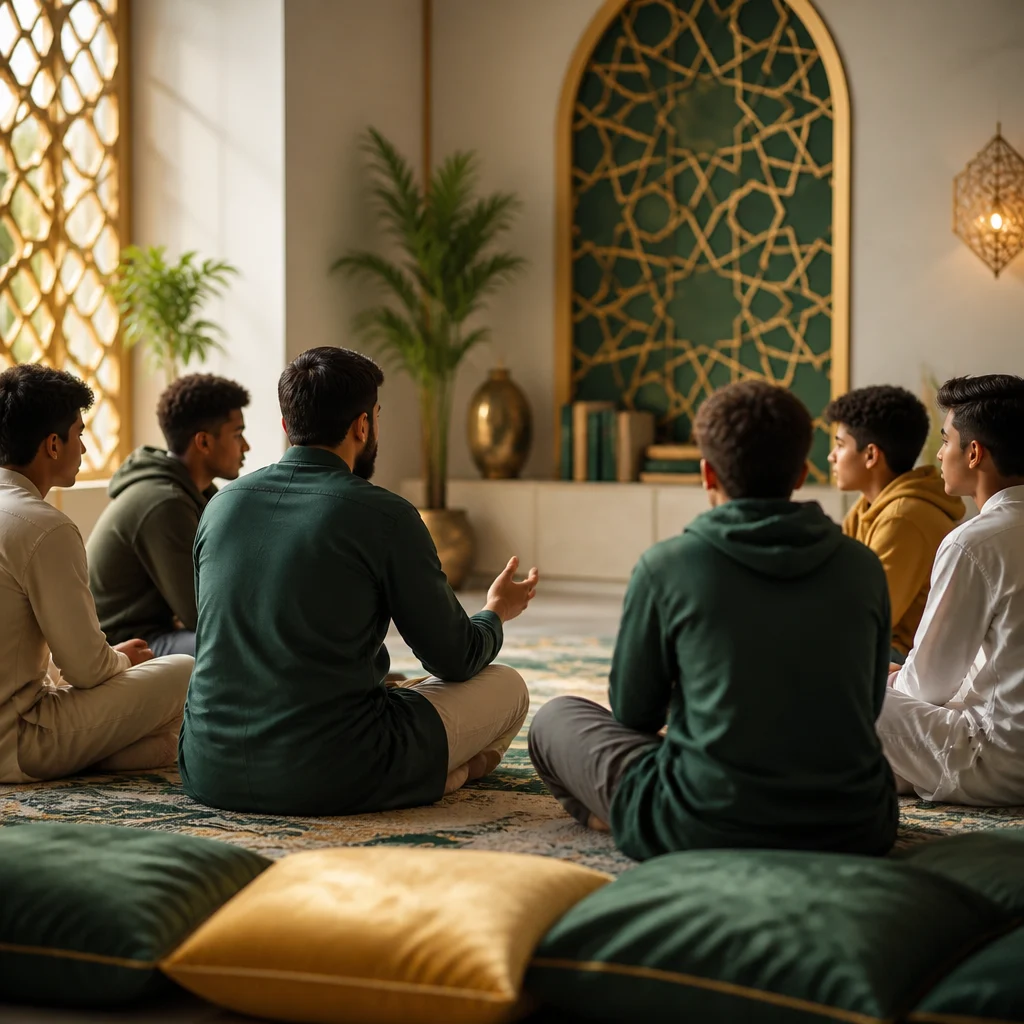
3) Skills for Real Life (Not Just Advice)
Support includes age-appropriate tools such as:
- identifying emotions and triggers
- calming strategies for stressful moments
- healthy communication and conflict skills
- routines that support focus and sleep
- coping through dua, reflection, and mindful grounding
4) Mentorship and Community Care
Mentorship matters for middle school youth. Students develop trust through consistent, caring adults and peers—supported by the broader community, not isolated alone.
5) Family Connection
Youth grow better when caregivers are involved. AMCC encourages family participation so students have consistent support at home and at the center.
What Youth Mental Health & Trauma Supports Can Look Like at AMCC
AMCC’s Youth Programs help students through structured, supportive activities designed for the needs of middle schoolers. Depending on the student and group, supports may include:
Supportive Learning and Discussion
Small-group learning and conversations that help youth process feelings through Islamic values—without forcing anyone to share more than they feel ready to.
Mentorship Through Youth Leadership and Character Building
Mentors help students practice responsibility, kindness, and confidence—especially when school stress or social pressure makes things hard.
“Youth in Action” Activities
Students learn by doing. Community-centered projects can reduce isolation and build a sense of purpose, such as:
- service activities that encourage compassion
- group events that strengthen belonging
- teamwork-based youth participation
Calm, Structured Community Time
When youth know what to expect, anxiety can decrease. AMCC supports students with routines and predictable program structures.

How the Community Portal Helps Families Stay Connected
A strong support system includes the center and the home working together. AMCC’s Community portal helps families stay informed and connected so youth don’t feel like support only happens during one class.
Through the community portal, families can typically:
- learn about youth programming and schedules
- explore resources related to youth support and Islamic learning
- stay updated on community activities
- find ways to participate and build connections
If you’re supporting a student, staying connected to the community can be a major help—especially when things feel confusing or stressful.
Islamic Tools for Stress, Anxiety, and Overwhelm (Age-Appropriate)
When a student feels overwhelmed, the goal is to help them return to calm and safety. Here are examples of Islamic-centered tools that can be practiced with guidance at AMCC:
- Dua for ease and strength (taught in a youth-friendly way)
- short reflections after a calm-down moment (not during a meltdown)
- breathing and grounding while remembering Allah’s mercy
- progress-focused thinking (“I can try again”)
- pairing feelings with words (“I feel worried,” “I feel angry,” “I need help”)
These tools are not meant to replace professional care when needed. They help students develop spiritual grounding and emotional regulation skills that fit middle school life.

Signs a Student May Need Extra Support
If you notice ongoing changes in mood, behavior, or functioning, it may be time to ask for extra support. Examples include:
- frequent outbursts or long withdrawal periods
- persistent sadness, fear, or irritability
- sudden drop in grades or attention
- sleep problems that keep returning
- repeated conflicts or fear around school or friends
- statements that reflect hopelessness or being unsafe
AMCC encourages families to seek guidance early. Support works best when it starts sooner.
FAQs: Youth Mental Health & Trauma Supports
What does “Mental Health & Trauma Supports” mean at AMCC?
It means youth-focused care that blends faith-centered guidance, supportive relationships, and practical coping skills for middle school students—especially when stress, anxiety, or difficult experiences affect daily life.
Is AMCC’s support only for students with trauma?
No. Some students need general emotional support for school stress, friendships, and identity questions. Others may need extra care due to stressful or traumatic experiences. AMCC’s approach is supportive for different needs.
How does AMCC keep things age-appropriate?
AMCC uses youth-friendly learning, structured activities, and mentorship that match middle school development—focusing on simple coping skills, character growth, and safe community connection.
Does AMCC replace therapy or medical care?
AMCC support is community-based and faith-centered. If a student needs professional mental health care, AMCC can help families find supportive next steps and continue offering mentorship and community support.
How can families access program updates and resources?
Families can connect through the Community portal to learn about youth programming and stay informed about community activities and youth support opportunities.
What Makes AMCC Different for Middle School Youth?
AMCC supports youth with a combination of:
- a clear METHODOLOGY (safety, skills, faith, mentorship, family connection)
- meaningful Youth Programs designed for real life challenges
- an inclusive community where students feel seen, valued, and supported
- practical “youth in action” experiences that build character and belonging
Growing spiritually shouldn’t happen alone—youth need mentors, safe spaces, and consistent care.
Call to Action (Explore Next Steps)
If you’re looking for Youth Programs that support Muslim middle school students with faith-centered learning, mentorship, and Mental Health & Trauma Supports, explore what AMCC offers for youth and connect with the community through the Community portal to learn about upcoming programs and family participation opportunities.